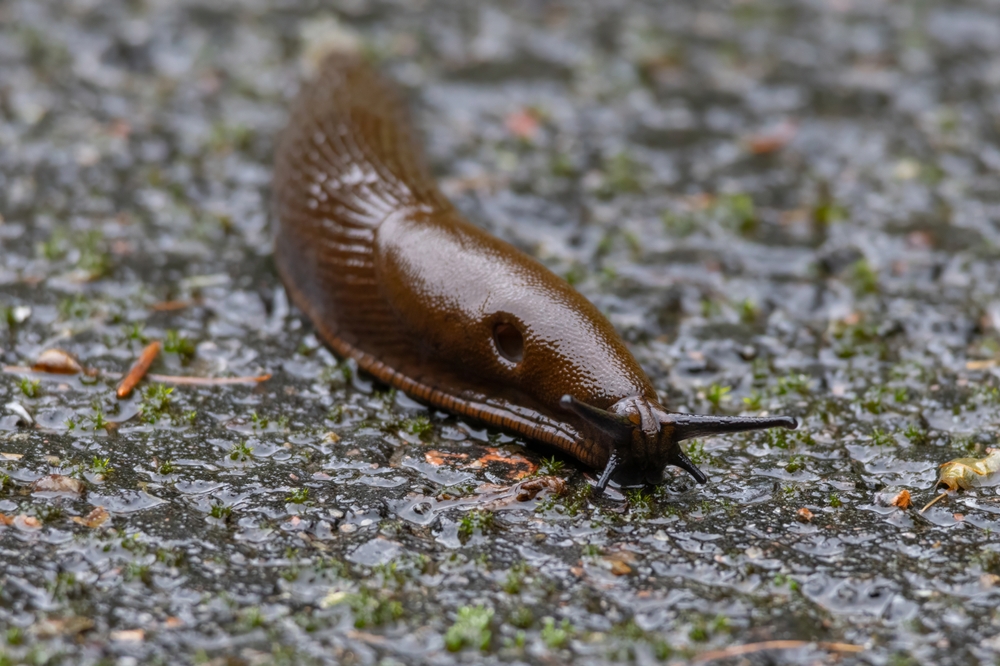
Slugs have slithered their way into headlines because they’re everywhere in Oregon, and their population is skyrocketing. These soft-bodied, slow-moving creatures might seem harmless at first glance, but they are creating a lot of attention in gardens, parks, and even urban landscapes.
Gardeners are noticing leaves disappearing overnight, seedlings vanishing without a trace, and glistening trails marking the presence of a gastropod invasion.
While slugs might not make the evening news like a bear sighting or wildfire, their quiet proliferation reveals a lot about the state’s ecosystem, weather patterns, and human impact on nature. If you’ve seen a slimy trail on your porch or a munch mark on your prized veggies, you’re not imagining things: slugs are thriving, and understanding why can help you take action without freaking out.
Why Oregon’s Climate Makes Slugs Feel At Home
Oregon’s climate is basically a slug paradise. Mild winters and wet springs create the perfect moist environment that slugs crave, keeping their skin hydrated and allowing them to move freely.
Slugs are prone to drying out, so they naturally congregate where rain is regular, humidity is high, and shady spots abound. The state’s lush vegetation—from ferns in the forests to ornamental plants in city gardens—provides both food and shelter.
Unlike animals that need to hibernate or migrate, slugs can stay active most of the year in these favorable conditions. Portland’s urban gardens, backyard compost piles, and even decorative mulch beds offer an all-you-can-eat buffet for these gastropods. The combination of steady rainfall, moderate temperatures, and dense plant coverage explains why Oregon is suddenly feeling like a slug utopia.
How Human Activity Is Unintentionally Helping Slugs
Believe it or not, humans are partly responsible for the slug boom. Gardening trends like raised beds, organic mulches, and water-efficient landscaping inadvertently create microhabitats that slugs love.
Mulch keeps the soil moist, organic debris provides food, and drip irrigation prevents drying—essentially inviting slugs in for an all-inclusive stay. Shipping plants between nurseries also spreads slug eggs and juvenile slugs across the state, giving them new territories to colonize.
Even composting, while eco-friendly, can attract slugs if not monitored carefully. Backyard ponds, decorative rocks, and shaded garden corners act as mini-slug resorts. Oregon’s blend of human care and environmental conditions has created an unexpected synergy, and slugs are taking full advantage.
The Surprising Ecological Role Of Slugs
Before you grab a garden trowel with vengeance, it’s worth remembering that slugs aren’t just pests—they play a role in Oregon’s ecosystems. They help decompose organic matter, recycling nutrients back into the soil, which benefits other plants and soil organisms.
Some birds, frogs, and insects rely on slugs as a food source, meaning their presence affects local food webs. Slugs also act as indicators of soil health; a sudden increase in slugs can signal that your soil is particularly rich and moist, which might explain why certain plants are thriving (and others aren’t).
In moderation, they are natural recyclers, and eliminating every slug might actually disrupt certain ecological balances. They’re messy, slimy, and frustrating, but they are also quietly contributing to the cycles that keep Oregon’s greenery so vibrant.
Practical Ways To Manage Slugs In Your Garden
While slugs have ecological value, gardeners understandably want to limit their appetites. Simple strategies can dramatically reduce slug damage without resorting to harmful chemicals.
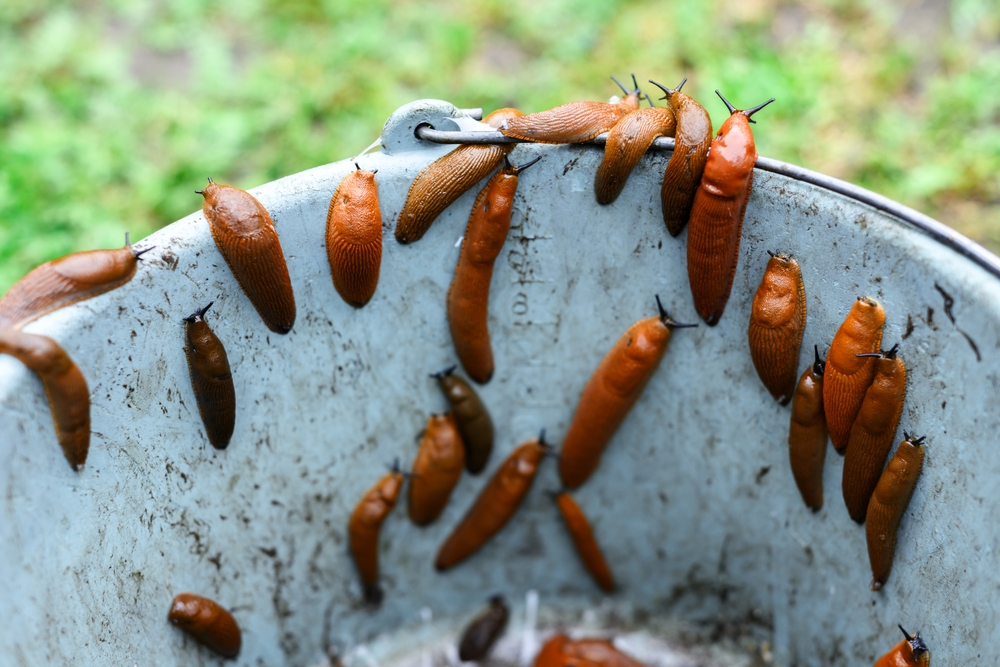
Handpicking during damp evenings or early mornings is surprisingly effective—slugs are slow but persistent, and removing a few dozen can make a visible difference. Barriers like crushed eggshells, copper tape, or diatomaceous earth create unpleasant surfaces that slugs avoid.
Strategic planting can also help: taller, tougher plants or herbs with strong scents can act as deterrents. Adjusting watering schedules so soil dries slightly between sessions makes the environment less inviting.
Lastly, encouraging natural predators—like birds, frogs, and beetles—can create a natural slug control system. Managing slugs doesn’t require eliminating them entirely; it’s about keeping numbers at a level that your garden can tolerate.
Observing Slugs Can Be Surprisingly Rewarding
If you slow down and pay attention, slugs are fascinating little creatures. They move using a single muscular foot and secrete mucus that allows them to glide over rough surfaces effortlessly.
Some slugs can live for several years, and their mating rituals are surprisingly elaborate. Observing them can also help gardeners identify which species are most problematic and adjust their strategies accordingly.
Keeping a simple log of slug sightings, plant damage, and environmental conditions can turn a frustrating pest problem into a mini-science project. You might even start to notice patterns, like which plants attract them the most or which corners of your yard remain slug-free. While they may be slimy, slugs are also incredibly resilient, and observing them up close reveals a level of complexity you rarely see in backyard creatures.
Your Thoughts And Experiences Matter
Slugs in Oregon are thriving thanks to a mix of climate, ecology, and human behavior, but gardeners have more options than they realize for managing these slippery visitors. Whether you’re observing them, using barriers, or encouraging natural predators, there’s a way to coexist without giving up your favorite plants.
Have you noticed a sudden spike in slug activity in your garden or backyard? Maybe you’ve tried creative ways to limit their munching or found a new appreciation for these slimy recyclers.
We’d love to hear your stories, experiences, and tips in the comments section below. Let’s turn Oregon’s slug situation into a community conversation where everyone learns from each other—and maybe laughs a little at those shiny trails along the way.
You May Also Like…
This One Winter Gardening Habit Could Be Spreading Invasive Pests Across the South
Why Your Raised Beds Might Be Harboring Pests Right Now—Even in Freezing Temps
8 Backyard Birds You Can Attract Without Creating a Pest Problem
How to Catch Hidden Pests Before They Invade Your Shed This Winter
6 Garden Pests That Hibernate in Your Soil

Brandon Marcus is a staff writer for FrugalGardening.com at District Media, Inc., where he delivers practical gardening advice with a relatable, no-nonsense style. An avid amateur gardener, he holds a BA degree and with over ten years of professional writing experience, he is also an award-winning published author whose first book, Questions For Deep Thinkers, was released by Adams Media. His work has appeared in major publications including Fandom.com, CHUD.com, TheColdWire.com, and Fansided.com.
Leave a Reply