
Winter gusts can be brutal, but your garden doesn’t have to suffer! Imagine your carefully nurtured plants standing tall instead of drooping under icy blasts. Cold snaps have a sneaky way of stressing plants, stripping moisture, and leaving stems brittle, yet you can fight back with surprisingly simple, inexpensive solutions.
The right windbreak doesn’t just block wind—it creates a cozy microclimate that helps soil retain warmth and moisture. Whether your garden is sprawling or tiny, these strategies use everyday items in smart ways to protect your leafy friends.
1. Burlap Screens For Instant Plant Protection
Burlap isn’t just for rustic décor—it’s a superstar when it comes to shielding plants. A simple burlap screen can block harsh winds without smothering your garden. Stretch the material between stakes around vulnerable plants to create a temporary fortress. Its porous texture allows airflow, preventing mold while reducing wind chill. This setup is perfect for delicate flowers or young shrubs that can’t handle icy gusts. With some twine and a few wooden stakes, you’ve got a cheap, biodegradable shield that’s ready to roll anytime the weather turns icy. You can even repurpose old burlap sacks from the grocery store for a zero-cost solution.
The beauty of burlap is its versatility: it can wrap individual plants or form larger panels for rows of vegetables. Tying it loosely ensures plants don’t get crushed, and its natural fibers blend beautifully into garden beds. Once the cold snap passes, you can fold it up and store it for the next freeze.
2. Snow Fences That Don’t Break The Bank
Snow fences aren’t just for highways—they’re a gardener’s secret weapon. Placing one on the windward side of your garden slows down gusts dramatically. You don’t need a fancy installation; simple wooden or plastic fencing works wonders when supported with stakes. The key is positioning: a few feet away from your plants to create a buffer zone of calmer air. This method is especially effective in open yards where winds have no natural barriers. Think of it as giving your garden a cozy backstage pass behind a protective wall.
Even lightweight snow fencing is surprisingly sturdy. You can adjust the height depending on what you’re protecting, from low-growing herbs to taller perennials. After the cold snap, these fences fold up neatly and store compactly for reuse season after season.
3. Cardboard Barriers For Quick, Recyclable Protection
Old cardboard isn’t just trash—it’s a surprisingly efficient windbreak. Simply stand flattened boxes around tender plants and secure them with garden stakes or bricks. Cardboard blocks wind while letting some air seep through, reducing the chilling effect. It’s perfect for vegetable beds or young saplings, and it biodegrades if left to decompose naturally. You can even layer it for extra insulation during severe cold snaps.
Cardboard barriers are incredibly flexible. Move them as needed, and they won’t scar your soil or roots. After winter, recycle or compost them, making this solution eco-friendly and cost-effective. Even a small patch of garden can benefit from this quick and adaptable technique.
4. Shrubs And Evergreen Hedges As Living Windbreaks
Planting dense shrubs or evergreen hedges is a long-term, natural approach to battling cold winds. These living windbreaks act like nature’s walls, softening gusts while adding greenery year-round. Choose fast-growing varieties like boxwood, holly, or juniper to see results sooner. Position them strategically on the windward side of your garden for maximum effect. Over time, they create a microclimate that keeps air warmer and soil moisture steadier.
Hedges also serve dual purposes: they provide privacy while protecting delicate plants. A little patience pays off because once established, they require minimal maintenance and reduce the need for temporary structures each winter.
5. Straw Mulch And Bale Shields For Cozy Roots
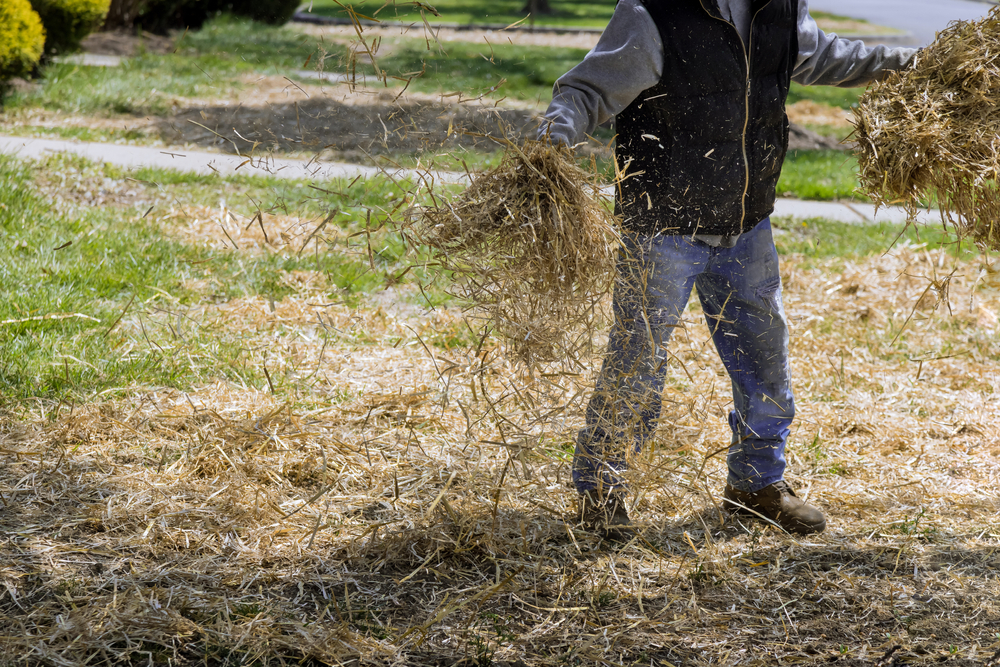
Straw isn’t just bedding for farm animals—it’s a fantastic insulator for plants. Pile bales around sensitive perennials or use loose straw as a base layer around stems. It blocks cold gusts at ground level, keeping roots warmer and less prone to frost damage. Straw is lightweight, easy to move, and cheap, making it ideal for temporary protection.
Stack bales strategically to form a low wall around small shrubs or young trees. Loose straw can also cover the soil beneath, further insulating against temperature swings. Your plants will thank you with stronger growth once spring arrives.
6. Temporary Plastic Sheeting For Emergency Protection
Clear plastic sheets can transform a chilly garden corner into a mini greenhouse overnight. Stretch sheets over stakes or hoops to shield plants from icy wind and retain warmth. Ensure there’s ventilation to prevent condensation, which can lead to mold. This method is especially handy for sudden cold snaps when other windbreaks aren’t set up.
Plastic is reusable, easy to cut to size, and works well for protecting vegetables and flowers alike. Pair it with straw or burlap for added insulation and you’ve got a quick, highly effective shield.
7. Pallet Panels For Durable And Reusable Barriers
Wooden pallets aren’t just for shipping—they make excellent garden walls. Lean them together to form a sturdy windbreak or attach them to posts for a permanent solution. Pallets are easy to find free or cheap, and they withstand repeated use in harsh weather. They create a rigid barrier that can protect even the hardiest plants from sustained gusts.
Layering pallets or filling gaps with straw adds extra insulation. Once winter ends, pallets can be dismantled and repurposed elsewhere in the garden or workshop. This solution is practical, sustainable, and incredibly versatile.
8. Row Covers For Lightweight, Protective Layers
Floating row covers are thin fabrics draped over plants to block wind and trap warmth. Lightweight and breathable, they keep frost at bay without suffocating vegetation. Perfect for vegetables and annual flowers, they’re reusable and easy to deploy. You can secure them with rocks, stakes, or hoops, adapting coverage as plants grow.
These covers create a stable microclimate for soil and foliage, reducing stress during sudden cold spells. They’re ideal for gardeners who want protection without permanent structures.
9. Garden Cloches For Personal Plant Mini-Habitats
Cloches—small, dome-like covers—offer individualized protection for especially sensitive plants. You can make DIY cloches from plastic bottles, cut-off containers, or even jars. They trap heat while allowing light through, creating a tiny greenhouse effect for your plants. Perfect for seedlings, herbs, or ornamental flowers, cloches keep frost and wind damage at bay.
Cloche placement is flexible, so you can protect only the most vulnerable plants. Once temperatures stabilize, removing them is simple, and you can reuse them year after year.
Your Plants Can Weather Any Storm
Protecting your garden doesn’t have to cost a fortune or take days to plan. With creativity and a few common materials, you can build windbreaks that keep your plants cozy, healthy, and resilient through even the harshest cold snaps.
Which of these methods have you tried, or are you itching to experiment with? Tell us your experiences or clever garden hacks in the comments below—we’d love to hear from you!
You May Also Like…
7 Evergreens That Double as Windbreaks
How Windbreaks Improve Garden Health in Winter
10 Ways to Protect Evergreens From Snow Load Damage
9 Fast Ways to Protect Young Trees From Windburn
9 Cold-Frame Tricks That Keep Greens Growing in January

Brandon Marcus is a staff writer for FrugalGardening.com at District Media, Inc., where he delivers practical gardening advice with a relatable, no-nonsense style. An avid amateur gardener, he holds a BA degree and with over ten years of professional writing experience, he is also an award-winning published author whose first book, Questions For Deep Thinkers, was released by Adams Media. His work has appeared in major publications including Fandom.com, CHUD.com, TheColdWire.com, and Fansided.com.
Leave a Reply