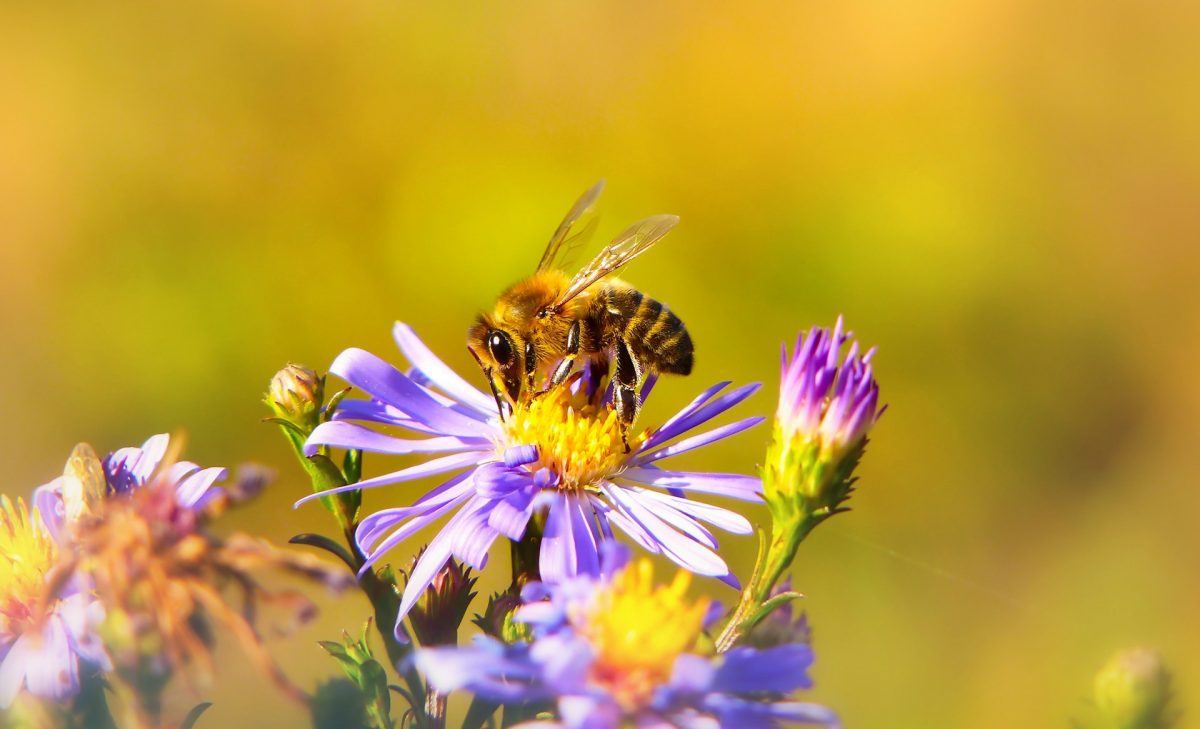
A garden can do more than look pretty—it can work like a living support system for bees, butterflies, and beneficial insects. Native plants offer a powerful advantage because they already fit local soil, rainfall, and climate conditions, which means fewer inputs and less maintenance. That combination helps reduce watering bills, fertilizer costs, and replacement plant expenses over time. Pollinators also rely on these plants for survival, especially as natural habitats continue to shrink.
Choosing the right mix of native plants turns a backyard into a buzzing, colorful ecosystem that practically runs itself. Instead of fighting against nature, a native plant garden works with it, creating long-term savings and healthier soil. The best part comes from the constant activity—bees drifting between blooms, butterflies resting on petals, and birds stopping by for seeds.
1. Milkweed Brings Monarchs and Cuts Maintenance Costs
Milkweed stands as one of the most important native plants for monarch butterflies, providing both nectar and a critical breeding site. Its deep root system helps it survive drought conditions without constant watering, which keeps utility costs low. Once established, milkweed spreads naturally and requires minimal soil amendments or fertilizers. Gardeners often notice fewer pest problems because milkweed supports a balanced insect ecosystem.
Monarch caterpillars depend on milkweed leaves for survival, making it a cornerstone of any pollinator-friendly yard. This plant also produces clusters of fragrant flowers that attract bees and other butterflies throughout the season. Strong performance in poor soils makes it ideal for low-cost landscaping projects. A single planting effort can support wildlife for years without ongoing expense.
2. Purple Coneflower Delivers Long-Lasting Blooms and Resilience
Purple coneflower adds bold color while handling heat, drought, and poor soil conditions with ease. Its deep roots reduce watering needs, which helps lower monthly garden maintenance costs. Pollinators flock to its large, open blooms because they offer easy access to nectar. The plant also reseeds naturally, reducing the need for frequent replanting.
Beyond its beauty, purple coneflower supports bees, butterflies, and seed-eating birds in late summer and fall. Its sturdy stems resist wind damage, which prevents replacement costs after storms. Many gardeners appreciate how it returns reliably year after year with minimal effort. This plant turns any garden into a reliable pollinator station without draining a budget.
3. Black-Eyed Susan Brightens Spaces and Supports Bees
Black-eyed Susan brings golden-yellow blooms that light up gardens from midsummer into fall. This native plant tolerates dry soil and thrives without chemical fertilizers or constant care. Its ability to self-seed reduces the need for new plant purchases each season. Pollinators, especially bees, rely on its steady nectar supply during peak growing months.
This plant also handles roadside and tough soil conditions, which makes it perfect for budget-friendly landscaping. Birds enjoy the seeds in late fall, extending its ecological value beyond flowering season. Its strong adaptability helps reduce long-term garden expenses. A patch of black-eyed Susans quickly becomes both a visual and ecological asset.
4. Bee Balm Creates a Pollinator Magnet With Fragrant Blooms
Bee balm produces vibrant red, pink, or purple flowers that attract hummingbirds, bees, and butterflies in large numbers. Its mint family roots help it spread easily, reducing the need for replanting in ideal conditions. This plant grows well in both garden beds and naturalized areas with minimal fertilizer use. Strong fragrance also helps deter some garden pests naturally.
Pollinators often gather around bee balm in clusters, creating lively movement throughout the garden. Its long blooming period extends food availability across multiple weeks in summer. Once established, it requires only occasional trimming to stay healthy. This combination of beauty and efficiency makes it a cost-effective garden staple.
5. Goldenrod Supports Late-Season Pollinators and Saves Resources
Goldenrod plays a critical role in late summer and fall when many other flowers fade. It produces bright yellow plumes that feed bees preparing for colder months. Contrary to common myths, it does not cause allergies, since wind-pollinated ragweed causes those issues instead. Goldenrod thrives in poor soil and rarely needs watering once established.
This plant supports a wide range of native pollinators, including specialized bee species. Its strong growth habit helps stabilize soil and reduce erosion costs. Gardeners often use it to fill gaps in low-maintenance landscapes. A patch of goldenrod keeps pollinators active when other food sources disappear.
6. Asters Extend the Pollinator Season Into Fall
Asters bloom late in the year, offering critical nectar when many plants stop flowering. Their daisy-like blooms attract bees, butterflies, and migrating insects preparing for seasonal changes. These plants grow well in a variety of soils and require minimal care once established. Reduced maintenance needs make them a smart choice for budget-conscious gardeners.
Asters also self-seed gently, allowing them to return each year without replanting costs. Their purple and blue tones add visual contrast to fall gardens. Pollinators rely heavily on asters as temperatures drop and food becomes scarce. This plant extends garden value well beyond summer.
7. Lupine Enriches Soil and Feeds Early Pollinators
Lupine produces tall spikes of vibrant flowers that attract bees early in the growing season. Its ability to fix nitrogen in the soil improves fertility naturally, reducing the need for commercial fertilizers. This plant thrives in poor, sandy soils where other flowers struggle. Early bloom timing supports pollinators emerging from winter.
Lupine also helps stabilize soil, which lowers erosion control costs in landscaping projects. Its striking flowers create visual impact while serving an ecological purpose. Once established, it returns annually with minimal input. Gardeners benefit from both healthier soil and active pollinator visits.
8. Wild Bergamot Offers Aromatic Beauty and Pollinator Power
Wild bergamot produces lavender blooms that attract bees, butterflies, and hummingbirds throughout summer. Its aromatic leaves naturally repel certain pests, reducing the need for chemical treatments. This plant adapts well to dry conditions and requires little supplemental watering. Strong growth makes it a reliable addition to low-maintenance gardens.
Pollinators gather densely around its blooms, creating constant activity in the garden. Wild bergamot also spreads moderately, filling open spaces without aggressive takeover. Its resilience reduces long-term gardening expenses and upkeep time. This plant delivers both sensory appeal and ecological benefits.
A Smarter Garden That Pays You Back in Color and Life
Native plants transform ordinary yards into self-sustaining ecosystems that support pollinators and reduce household spending. Each plant on this list brings unique benefits, from soil improvement to extended blooming seasons. Together, they create a landscape that needs less water, fewer chemicals, and minimal replanting. The result delivers a garden that saves money while boosting biodiversity.
What native plants have made the biggest difference in your garden, and which ones deserve more attention?
You May Also Like…
Deadheading 101: Keep Your Flowers Blooming All Summer With This Simple Trick
Why More Homeowners Are Turning Their Lawns Into Pollinator Gardens
Give Bees and Butterflies a Drink: Create a Pollinator Water Station From Recycled Dishes
8 Pollinator-Friendly Additions That Increase Garden Activity
The “Native” Advantage: Why Local Plants Save You Hundreds in Maintenance

Brandon Marcus is a staff writer for FrugalGardening.com at District Media, Inc., where he delivers practical gardening advice with a relatable, no-nonsense style. An avid amateur gardener, he holds a BA degree and with over ten years of professional writing experience, he is also an award-winning published author whose first book, Questions For Deep Thinkers, was released by Adams Media. His work has appeared in major publications including Fandom.com, CHUD.com, TheColdWire.com, and Fansided.com.
Leave a Reply