A thriving garden looks peaceful and effortless from the patio chair, but every experienced gardener knows the truth hides under the mulch. Weeds explode overnight, hoses twist into impossible knots, and pruning chores somehow multiply the second temperatures rise. Smart gardeners don’t just work harder—they work sharper with tools that cut hours of labor while improving plant health at the same time.
The right equipment turns exhausting weekend chores into manageable routines, keeps gardens productive during brutal heat waves, and helps prevent the burnout that sends many raised beds into retirement by midsummer. These seven tools deliver serious time savings while making the entire gardening experience smoother, cleaner, and a whole lot more enjoyable.
1. Drip Irrigation Systems Eliminate Endless Watering Sessions
Dragging a hose around the yard every evening gets old fast, especially during peak summer heat when thirsty tomatoes and cucumbers demand constant attention. A drip irrigation system delivers water directly to plant roots through small tubes and emitters, which cuts water waste and saves hours every single week. Many home gardeners reduce water usage by nearly 30% after switching from overhead sprinklers to drip systems because less moisture evaporates before reaching the soil. Plants also stay healthier since wet leaves often encourage fungal diseases like powdery mildew and blight.
Modern drip systems install far more easily than many people expect, especially with beginner-friendly kits available at most garden centers. Timers make the setup even more efficient by automating watering schedules during early mornings when evaporation rates stay low. Gardeners who travel during summer appreciate the peace of mind that comes from automated irrigation because vegetables won’t collapse during a weekend getaway. A well-designed drip system quietly handles one of the most time-consuming garden chores without demanding daily attention.
2. Battery-Powered Pruners Speed Through Tough Trimming Jobs
Hand pruners work fine for a few stems, but large shrubs and mature perennials quickly turn trimming into a hand-cramping marathon. Battery-powered pruners slice through branches with minimal effort, allowing gardeners to finish seasonal cleanup in a fraction of the time. These compact tools work especially well for roses, hydrangeas, fruit trees, and overgrown ornamental grasses that require frequent shaping throughout the growing season. Many models now cut branches up to one inch thick with the push of a trigger.
Gardeners dealing with arthritis or wrist fatigue often notice an immediate improvement after switching to powered pruners. Faster trimming also encourages better maintenance habits because quick touch-ups feel manageable instead of exhausting. Neglected shrubs become easier to shape regularly, which improves airflow and reduces pest problems over time. A good pair of battery-powered pruners turns a dreaded afternoon chore into a surprisingly satisfying task.
3. Garden Carts Replace Backbreaking Trips Across the Yard
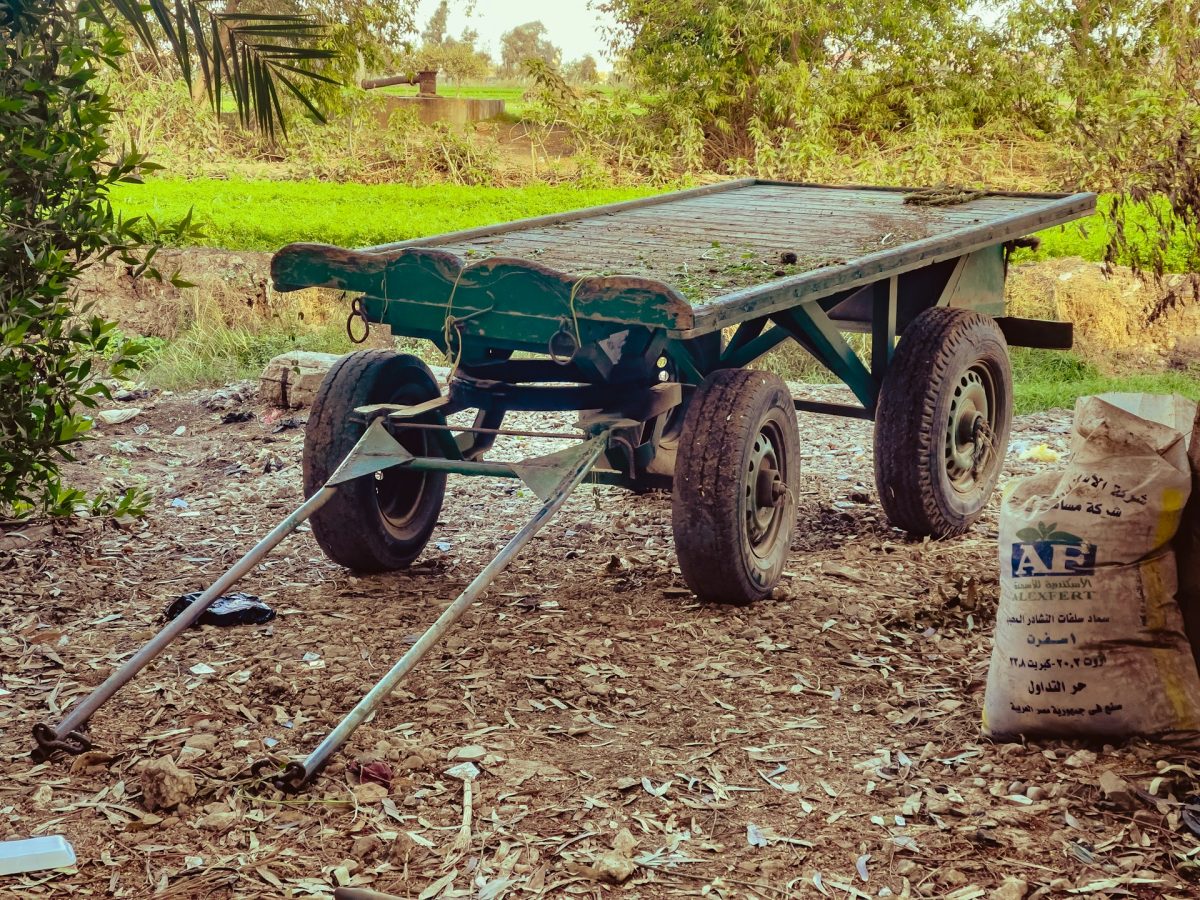
Every gardener eventually reaches the point where carrying heavy bags of mulch feels like punishment from the universe. Garden carts solve that problem by hauling soil, compost, tools, weeds, and harvest baskets without repeated trips across the yard. Sturdy carts with pneumatic tires glide smoothly over grass, gravel, and uneven ground while reducing strain on knees and backs. Some heavy-duty models carry more than 400 pounds in a single load.
A quality garden cart also keeps projects moving efficiently because everything stays within reach during planting or cleanup sessions. Instead of running back and forth to the garage for forgotten tools, gardeners can load supplies once and roll them directly to the work area. Fall cleanup becomes dramatically easier when leaves, branches, and dead annuals head straight into the cart for composting or disposal. One simple wheeled tool often saves more physical energy than any fancy power equipment.
4. Hori Hori Knives Handle Multiple Garden Tasks at Once
The hori hori knife might look unusual at first glance, but seasoned gardeners swear by its versatility. This Japanese gardening tool combines the functions of a trowel, weeder, root cutter, soil knife, and measuring tool into one compact piece of equipment. Sharp serrated edges slice through roots and stubborn weeds while the pointed blade digs planting holes with surprising speed. Many blades also include depth markings that help gardeners plant bulbs and seedlings correctly.
Garden efficiency improves dramatically when fewer tools clutter the workspace. Instead of constantly switching between a hand shovel, knife, and weeding fork, gardeners can tackle dozens of tasks with a single tool attached to a belt sheath. Hori hori knives also excel in raised beds where precision matters and oversized tools feel clumsy. Once gardeners start using one regularly, the old hand trowel often collects dust in the shed.
5. Compost Tumblers Create Faster, Cleaner Compost
Traditional compost piles require regular turning with a pitchfork, and that process quickly becomes sweaty, messy work during summer. Compost tumblers simplify the entire system by allowing gardeners to rotate compost with a quick spin of the barrel. The enclosed design traps heat efficiently, which speeds decomposition and helps produce usable compost in as little as six to eight weeks under ideal conditions. Fewer pests and reduced odor also make tumblers attractive for suburban yards.
Busy gardeners appreciate how tumblers streamline compost management without sacrificing results. Kitchen scraps, grass clippings, dry leaves, and plant debris break down faster because the rotating chamber improves airflow throughout the mixture. Rich compost eventually reduces fertilizer costs while improving soil structure and moisture retention across vegetable beds and flower borders. A tumbler turns waste management into a fast routine instead of a neglected backyard science experiment.
6. Oscillating Hoes Destroy Weeds in Record Time
Weeds possess an almost supernatural ability to appear moments after gardeners finish cleaning beds. Oscillating hoes, sometimes called stirrup hoes, tackle this endless battle with remarkable speed by slicing weeds just beneath the soil surface using a push-pull motion. Unlike traditional hoes that require chopping, oscillating models glide smoothly through loose soil while reducing physical strain. Gardeners can clear large planting rows in minutes instead of spending hours crouched over with hand weeders.
Frequent shallow weeding also prevents larger infestations later in the season. Small weeds disappear before developing deep root systems or producing seeds that create future headaches. Vegetable gardeners particularly benefit from oscillating hoes because wide planting rows allow fast movement between crops. Consistent early maintenance with this tool often eliminates the need for exhausting midsummer weed rescue missions.
7. Leaf Mulchers Shrink Cleanup Time Dramatically
Autumn leaves create valuable mulch and compost material, but massive piles quickly overwhelm ordinary yard waste bags. Leaf mulchers shred leaves into fine pieces that decompose faster and occupy far less storage space. Shredded leaves also make excellent mulch around trees, shrubs, and vegetable beds because they insulate soil while suppressing weeds. Many electric leaf mulchers process dozens of bags worth of leaves in a single afternoon.
Efficient leaf management pays off throughout the entire gardening season. Shredded material enriches compost piles, improves soil texture, and reduces the need for expensive store-bought mulch products. Gardeners also save serious cleanup time because smaller leaf particles pack neatly into compost bins or garden beds. Instead of treating fallen leaves like a nuisance, smart gardeners transform them into one of the yard’s most useful free resources.
Smarter Gardening Starts With Better Tools
A productive garden doesn’t require endless hours of exhausting labor or an overflowing shed packed with gimmicky gadgets. The best garden tools solve real problems, reduce repetitive work, and help plants thrive with less daily maintenance. Drip irrigation systems save water while protecting plants, oscillating hoes crush weed problems early, and garden carts spare backs from unnecessary strain during heavy projects. Small upgrades in equipment often create huge improvements in efficiency, especially during the busiest parts of the growing season.
Which garden tool saves the most time in your yard right now? We want your advice, insight, and experiences shared below in our comments.
You May Also Like…
The Tool-Share Strategy: How to Get Luxury Garden Tools for Free
How to Keep Garden Tools Rust-Free Without Chemicals
The Best Low-Cost Garden Tools That Actually Last for Years
Apartment Gardening: The $20 Setup for a Balcony Bounty
Rental Friendly Gardening: 5 Ways to Grow Food Without Losing Your Deposit

Brandon Marcus is a staff writer for FrugalGardening.com at District Media, Inc., where he delivers practical gardening advice with a relatable, no-nonsense style. An avid amateur gardener, he holds a BA degree and with over ten years of professional writing experience, he is also an award-winning published author whose first book, Questions For Deep Thinkers, was released by Adams Media. His work has appeared in major publications including Fandom.com, CHUD.com, TheColdWire.com, and Fansided.com.
Leave a Reply