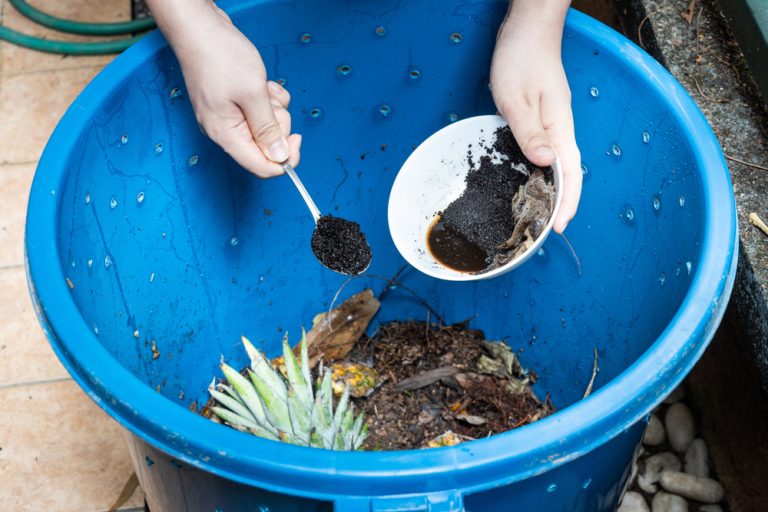
Winter composting can feel like watching paint dry, except the paint is frozen and the “dry” part is literal. Cold slows microbes, your pile shrinks less, and kitchen scraps seem to sit there forever. The trick isn’t buying fancy accelerators—it’s feeding the biology and fixing the pile’s basic comfort needs. With the right mix of…
Winter Composting
7 Things You Should Never Compost in Winter—Even If You Do in Summer
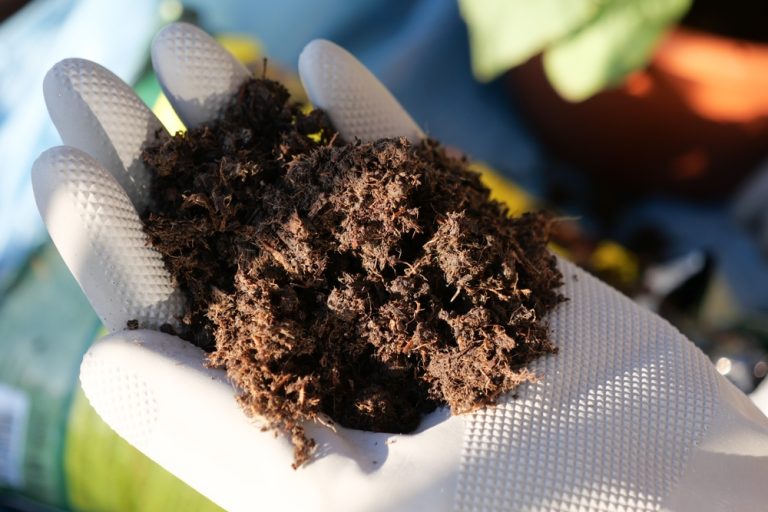
Winter composting can feel like a free pass to toss anything into the pile and “let it sort itself out later.” The problem is that cold slows decomposition, which means the wrong scraps don’t break down—they just sit there and create pests, smells, and springtime headaches. If you want finished compost sooner (and less mess),…
10 Foods You Can Compost in Winter Without Making a Smell
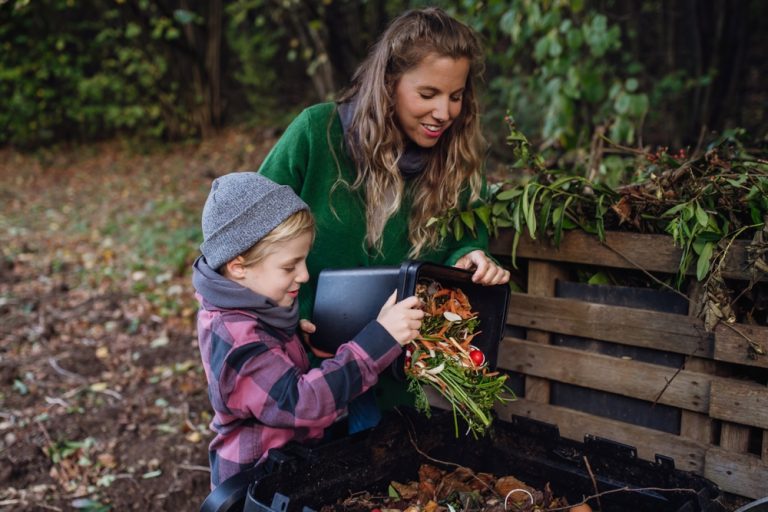
Winter composting gets an unfair reputation. People imagine frozen heaps, mysterious odors, and raccoons throwing midnight parties. In reality, cold-weather composting can be clean, calm, and oddly satisfying when you know what you’re doing. While microbes slow down in winter, the right food scraps behave beautifully, breaking down quietly without turning your backyard into a…
The Right Way to Seal and Insulate Your Compost Pile for Winter

You know that moment when the air gets cold enough that your breath becomes visible and suddenly your backyard feels like it belongs to someone far hardier than you? That’s when most people abandon their compost pile, whisper “good luck,” and hope nature figures it out. But winter composting doesn’t have to be a survival…
Why Compost Should Be Covered Before Snow
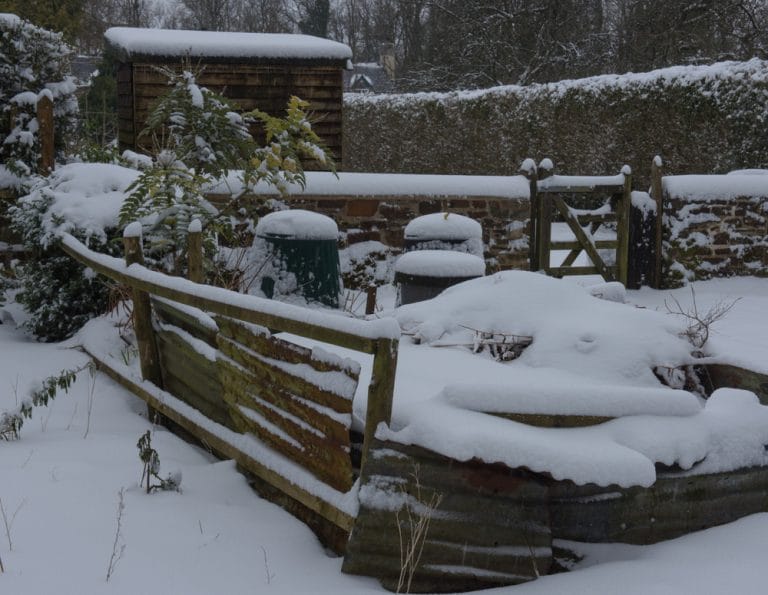
The first snowfall may feel magical, but if your compost pile could talk, it would be screaming, “Cover me!” the moment those icy flakes start landing. Snow might look soft and harmless, but to an exposed compost bin, it’s basically an uninvited guest barging in with a frozen handshake and a plan to halt all…
Why Your Compost Needs More Carbon in Fall
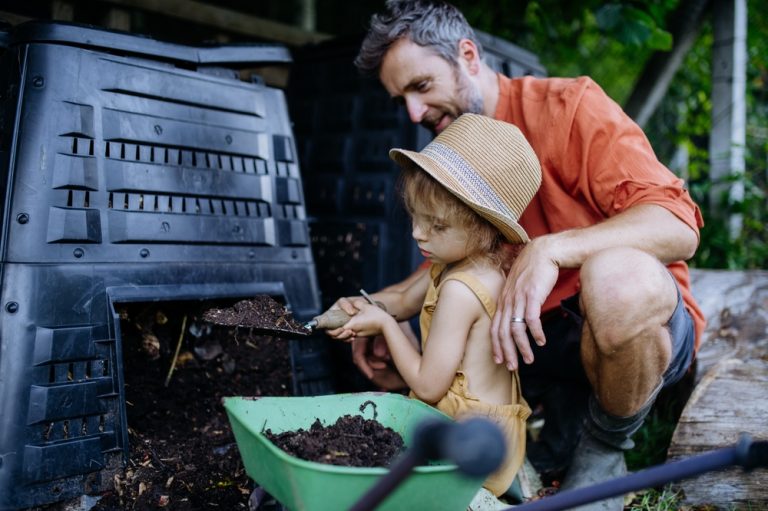
Here’s the dirty truth: your compost pile is probably starving. Not for banana peels or coffee grounds, but for carbon. Fall is the sneaky season when compost piles go haywire: slimy textures, funky smells, and sluggish breakdowns suddenly appear out of nowhere. And while it’s tempting to just toss more food scraps into the heap…
Why Compost Smells Different in Autumn
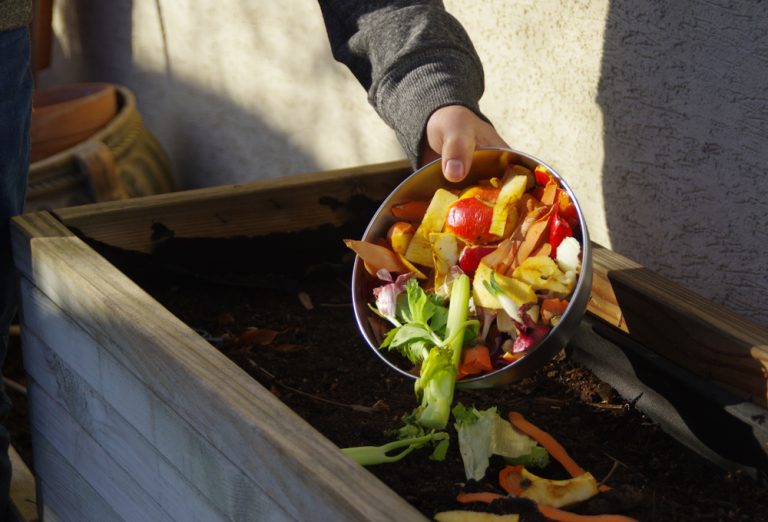
Step outside on a crisp autumn morning and take a deep breath. The air feels cooler, cleaner—and yet, if you wander near your compost pile, there’s something different in the scent swirling through the air. It’s not the sharp, earthy punch of midsummer compost or the heavy, swampy funk of early spring. Instead, it’s richer,…
Why Compost Layers Matter More in Fall
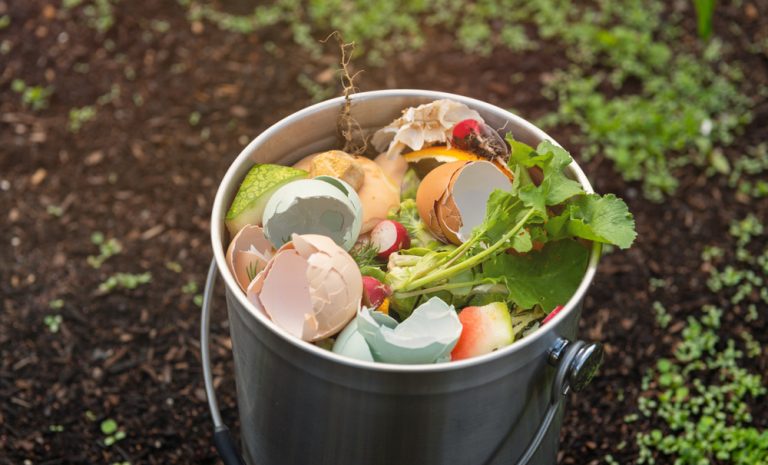
The air is crisp, the leaves are turning fiery shades of red and gold, and suddenly, your yard looks like it’s been buried under a crunchy blanket of autumn glory. It’s the perfect season for bonfires, cozy sweaters—and yes, composting. Fall isn’t just a transitional season; it’s the golden hour for your compost pile. This…
12 Plants That Benefit From Extra Compost in Autumn
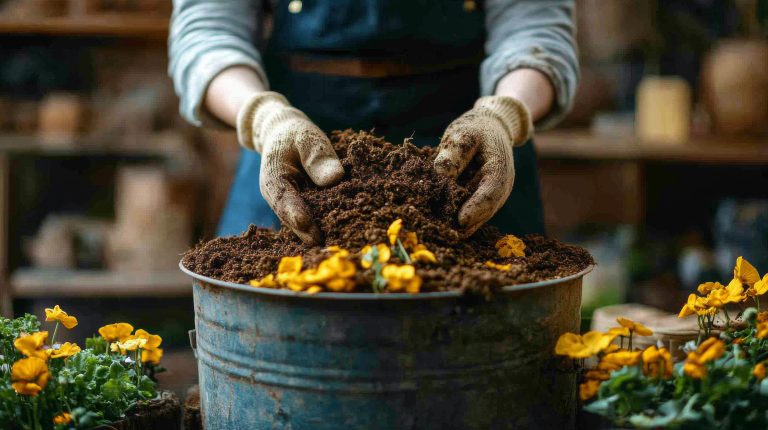
Autumn isn’t just about cozy sweaters, pumpkin spice, and crunchy leaves—it’s also one of the most important times to pamper your plants. As temperatures cool and growth slows, your garden quietly prepares for winter. Adding extra compost in fall gives your plants the nutrients they need to tough it out through the cold and burst…
Why Garlic Loves Being Planted Before Winter
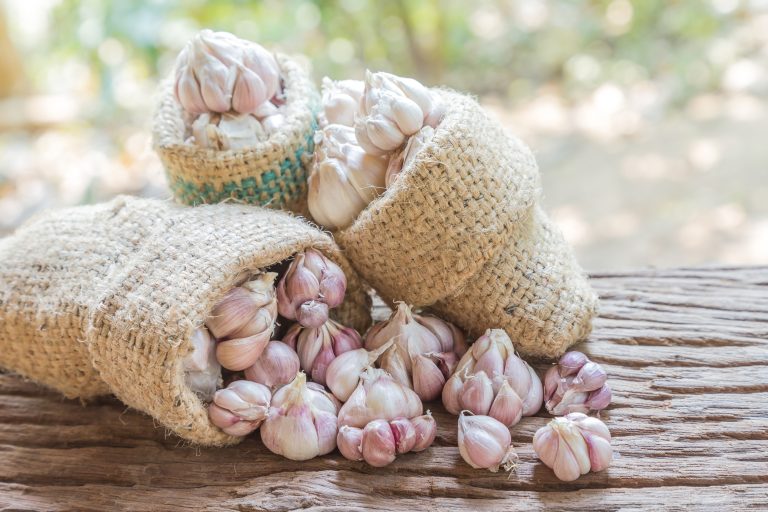
Imagine tucking your garden in for a long winter’s nap, only to sneak in a little surprise under the covers—garlic. While most plants cringe at the thought of frost, garlic practically throws a party when planted before winter. This pungent powerhouse thrives in the cold, quietly building strength beneath the soil while the rest of…