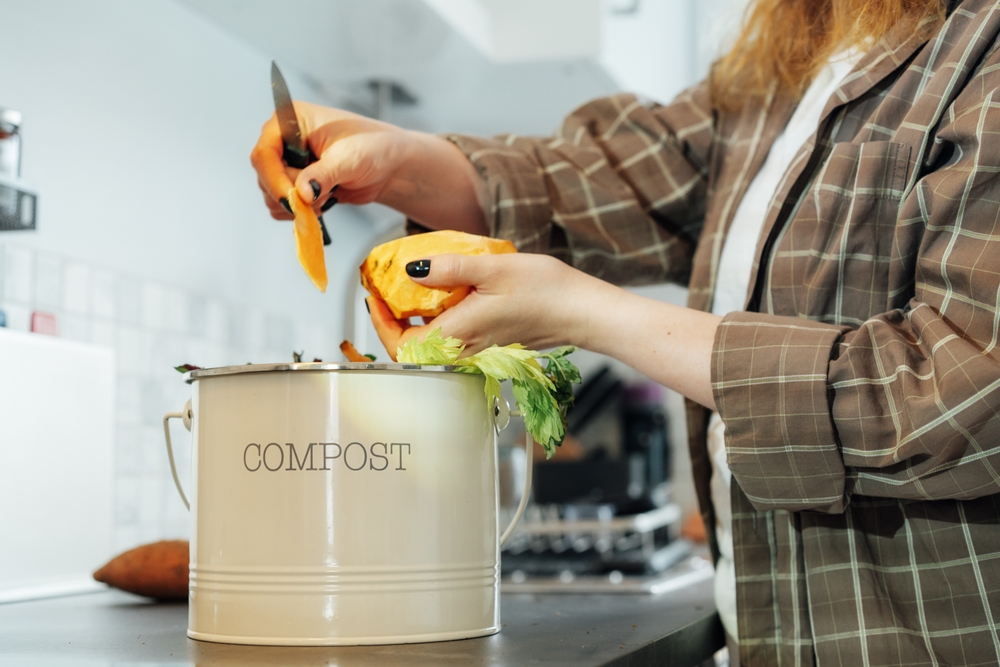
Turning this year’s garden waste into next year’s free soil amendment is one of the best money-saving tricks a gardener can use. But tossing everything you pull, prune, or rake into the pile can also turn home compost problems into next season’s garden problems. It’s generally a good idea for home gardeners to leave out plant material showing visible disease or insect infestation, along with weeds capable of regrowing from roots or stems. Other Extension programs caution against seed-filled weeds and herbicide-treated plant material because backyard piles don’t always get hot enough to neutralize what you’re trying to eliminate. Before fall cleanup turns into one giant trip to the compost bin, separate these seven troublemakers from the material you actually want back in your beds.
1. Diseased Tomato and Vegetable Plants
A tomato plant covered in leaf spots might technically be organic material, but that doesn’t automatically make it good compost material. Diseased material can be composted if the pile reaches at least 148 degrees Fahrenheit and the plant material completely breaks down. The problem is that typical home compost piles may not become hot enough for long enough to kill many pathogens. If you aren’t actively measuring and managing a hot pile, diseased tomato vines, cucumber leaves, and similar debris are safer going into an appropriate yard-waste stream that handles diseased material. Otherwise, avoiding home compost problems this fall could save you from fighting familiar diseases all over again next summer.
2. Weeds That Have Already Gone to Seed
Pulling weeds is satisfying right up until you realize you’ve accidentally saved thousands of their seeds for next year. You should keep weeds with seed heads out of home compost. Properly managed hot composting can destroy weed seeds, but a casual backyard pile may contain cooler areas where seeds survive. When that unfinished compost gets spread across your vegetable beds, you’re effectively distributing whatever viable seeds remain along with the organic matter. Pull weeds early enough and they can be useful green material, but once they’ve produced mature seed, don’t assume your compost pile will make those seeds harmless.
3. Weeds That Regrow From Tiny Pieces
Seeds aren’t the only way a weed can hitch a ride through the composting process. Don’t compost weeds that can easily grow from root or stem cuttings. That matters with aggressive perennial weeds because what looks like dead garden debris may contain viable roots, rhizomes, or stem pieces capable of establishing themselves again. A cool pile that never completely decomposes those tissues can become temporary storage instead of a disposal system. If you already spend hours fighting a persistent weed, don’t risk turning one infestation into dozens when you spread next year’s compost.
4. Plants Covered With Serious Pest Infestations
A few chewed leaves aren’t a reason to panic, but heavily infested plant material deserves more caution. Gardeners should exclude plant material with visible signs of insect infestation from a backyard pile. Insects have different life cycles, and eggs, larvae, pupae, or other stages may be tucked into stems, leaves, fruit, or surrounding debris where they’re easy to overlook. Correctly identifying the pest is important because cleanup recommendations vary considerably depending on what you’re dealing with. When a plant is crawling with an unidentified pest, keeping it out is an easy way to prevent avoidable home compost problems.
5. Plants Treated With Certain Herbicides
Grass clippings and garden trimmings normally look like ideal compost ingredients, but you should know what was sprayed on them first. It’s not advisable to put plants treated with herbicides into a home compost pile. The concern isn’t imaginary: Oregon State University explains that certain growth-regulator herbicides can persist in compost or soil mixes and cause distorted or cupped new growth in susceptible plants. Beans, peas, tomatoes, peppers, potatoes, squash, lettuce, sunflowers, dahlias, and several other broadleaf plants can be affected by this type of contamination. Before composting treated grass or garden debris, read the pesticide label carefully because the product’s instructions determine how treated material should be handled.
6. Manure From an Unknown Source
Manure can be valuable compost material, but “free manure” isn’t automatically a bargain. Herbicide contamination in compost can originate from contaminated hay, grass clippings, or manure. In practical terms, an animal may eat forage treated with a persistent herbicide, and residues can potentially make their way through the manure and eventually into compost. If you’re offered manure from horses, cows, or another source, asking what the animals ate and whether herbicides were used on their hay or pasture is worth doing. A truckload of free material becomes very expensive if contaminated compost damages next year’s tomatoes, beans, flowers, and other sensitive plants.
7. Anything You Can’t Confidently Diagnose
Sometimes the biggest composting mistake begins with a plant that simply “looked weird.” Yellowing, wilting, distorted growth, spots, mold, insect damage, herbicide injury, and nutrient problems can resemble one another, making a quick diagnosis surprisingly difficult. Do your best to identify plant diseases. Gardeners may need help from resources such as Master Gardeners or a plant disease clinic. Until you know whether you’re looking at a harmless environmental problem or something capable of surviving in plant debris, keeping suspicious material out of the pile is the cautious choice. You can always compost ordinary healthy leaves and stems while separately dealing with material that raises questions.
Your Compost Should Solve Problems, Not Save Them for Spring
A healthy compost pile can turn leaves, vegetable scraps, coffee grounds, grass clippings, and ordinary garden trimmings into something you’d otherwise pay to buy by the bag. Ultimately, a well-managed pile may finish in roughly three to four months, while Illinois Extension notes that composting time can vary considerably depending on pile size and management. The catch is that home compost problems often begin when gardeners treat the pile like a universal disposal bin instead of deciding what belongs there. Keep serious disease, seeded or persistent weeds, major pest infestations, questionable treated vegetation, and potentially contaminated manure out unless you know your composting process can safely handle them.
What’s one thing you’ve stopped putting in your compost pile after learning the hard way? Share your experience in the comments.
What to Read Next
Don’t Compost These 7 Plants When You Clean Out the Garden This Fall
7 Kitchen Scraps That Belong in Compost—and 4 That Do Not
Should You Compost Diseased Plants? The Answer Depends on How Hot Your Pile Gets
Leave a Reply