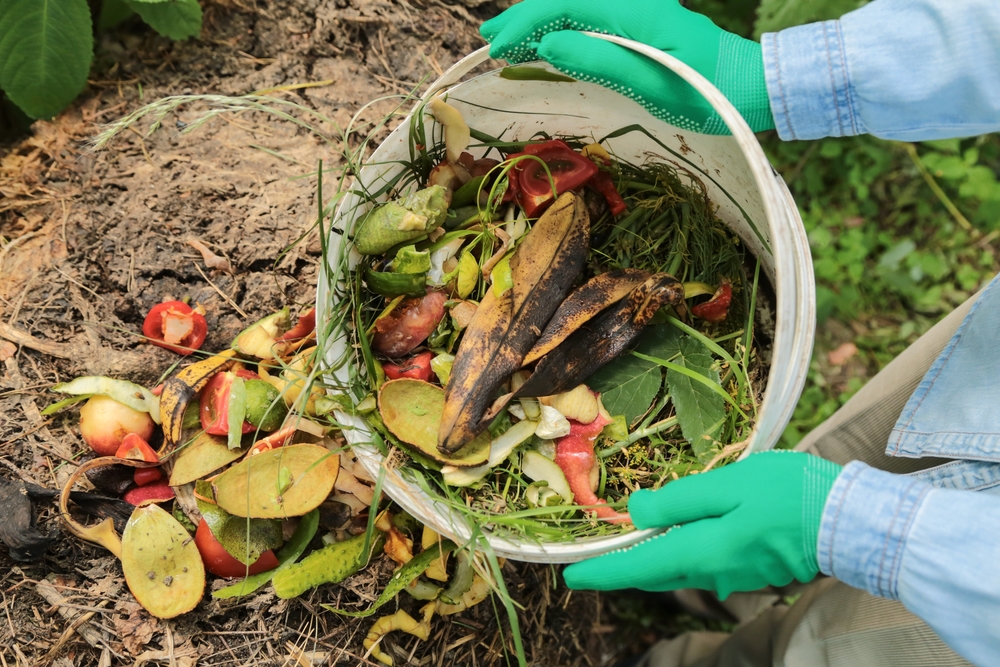
The compost bin can turn a surprising amount of kitchen waste into useful organic matter for the garden. Apple cores, coffee grounds, vegetable trimmings, and even crushed eggshells can all find a second life in the pile, while certain leftovers can create more trouble than they are worth.
Knowing the difference keeps composting simpler and cleaner. The goal is not to create a miniature landfill behind the shed, but to give the right organic materials the conditions they need to break down while keeping pests, odors, and soggy compost at bay.
1. Fruit Peels and Scraps
Apple cores, banana peels, melon rinds, citrus peels, pear skins, and other fruit leftovers make useful additions to a backyard compost pile. These scraps contain plenty of moisture and organic material that microorganisms can break down over time. Larger pieces take longer to disappear, so chopping thick rinds and oversized scraps can speed decomposition.
There is no need to make every banana peel microscopic, but smaller pieces give microbes more surface area to work on. Fruit scraps also pair nicely with dry materials such as fallen leaves or shredded paper. That combination helps keep the pile from becoming excessively wet or compacted. Instead of tossing fruit waste into the garbage, give the compost pile first dibs.
2. Vegetable Trimmings
Vegetable scraps might qualify as the compost pile’s easiest kitchen recruits. Carrot tops, lettuce leaves, broccoli stems, cabbage leaves, squash ends, potato peels, and similar trimmings can all contribute organic material to the pile. These scraps generally break down readily, especially when gardeners chop larger pieces before adding them. Wilted vegetables and portions that never made it into dinner also work perfectly well.
A pile full of vegetable scraps still needs dry carbon-rich material mixed throughout it, though. Too many wet scraps can create a dense, oxygen-poor mass that smells unpleasant instead of earthy. A handful of dry leaves or shredded cardboard between kitchen additions can make a noticeable difference.
3. Coffee Grounds and Filters
The morning coffee routine can pull double duty in the garden. Used coffee grounds contribute nitrogen-rich material to compost, while plain paper coffee filters can add carbon along with the grounds. The filters should contain ordinary paper rather than plastic or other synthetic materials. Coffee grounds work best when gardeners mix them throughout the pile instead of creating a thick layer.
A dense layer can compact and restrict airflow, which compost microorganisms need. The grounds also contain moisture, so they fit especially well alongside dry leaves, shredded paper, or other brown materials. That daily coffee habit suddenly looks a little more productive.
4. Tea Leaves and Suitable Tea Bags
Tea leaves can join fruit peels and vegetable scraps in the compost pile without much fuss. Loose tea leaves work particularly well because they consist of organic material that breaks down naturally. Some tea bags, however, contain plastic mesh, synthetic fibers, staples, or other materials that gardeners should remove before composting. A paper bag does not automatically mean the entire product belongs in the compost, so checking the bag’s construction makes sense. When in doubt, empty the leaves from the bag and compost the leaves separately. Tea leaves add another small but steady source of organic material to a kitchen scrap container. It is a simple way to keep perfectly usable compost material out of the garbage.
5. Crushed Eggshells
Eggshells can go into many backyard compost piles, but they deserve one important footnote: they disappear slowly. Whole shells may remain recognizable long after softer kitchen scraps have broken down. Crushing the shells into small pieces helps distribute them through the compost and increases their exposed surface area. Rinsing the shells first also helps remove lingering egg residue.
Gardeners should not expect eggshells to transform overnight, though, because calcium-rich shell material takes considerably longer to break down. Even so, small crushed pieces can become part of finished compost. They just should not serve as the main ingredient in the pile.
6. Plain Bread
Plain bread can make a reasonable compost addition when gardeners add it in modest quantities. Stale slices, crusts, and unwanted pieces contain organic material that microorganisms can break down. The bigger concern involves what comes with the bread, since heavily buttered, oily, cheesy, or meat-filled foods introduce materials that do not belong in a typical backyard pile. Breaking bread into smaller pieces can help it disappear more quickly. Gardeners should also avoid leaving exposed bread sitting on top of the compost, where it can attract pests. Tucking it beneath existing material provides a much less obvious meal for flies and other unwanted visitors. In other words, compost the bread, not the sandwich shop’s entire lunch counter.
7. Small Amounts of Plain Cooked Grains
Plain cooked rice and pasta can go into a well-managed backyard compost pile in modest quantities. These foods contain moisture and organic material that microorganisms can break down. Problems tend to appear when the grains arrive coated in meat, cheese, heavy sauces, butter, or large amounts of oil. Those additions can create odor and pest concerns that gardeners do not need.
Small amounts of plain grains work better when gardeners mix them into the pile rather than leaving a mound exposed on the surface. Covering them with dry leaves or another carbon-rich material provides an extra layer of protection against pests. The compost pile can handle some leftover spaghetti, but it does not need a complete restaurant menu.
8. Meat and Fish – No
Meat, poultry, and fish generally belong on the no-go list for a typical backyard compost pile. These foods can attract rodents, raccoons, flies, and other animals that have no problem treating a compost bin like a free buffet. They can also create strong odors as they decompose, particularly in poorly aerated piles. Commercial or specialized composting systems may accept certain animal products under controlled conditions, but that does not make them a good fit for an ordinary backyard setup.
Keeping meat and fish out removes one of the easiest ways to invite unwanted wildlife. There is already enough drama in the average garden without adding a raccoon restaurant. For most home composters, the simple choice is to leave these scraps out.
9. Dairy Products – No
Milk, cheese, yogurt, sour cream, and other dairy products also create issues in a conventional backyard compost pile. Dairy can produce unpleasant odors as it breaks down and may attract animals and insects. A tiny accidental residue on another compostable item differs from dumping a bowl of spoiled yogurt into the bin, but gardeners should generally avoid deliberately adding dairy. The same rule applies to large quantities of cheese-covered leftovers.
Composting works best when food scraps complement the rest of the pile rather than overwhelming it with rich, wet materials. Dry leaves and other carbon-rich materials cannot magically make every unsuitable food scrap a good idea. When it comes to dairy, the compost bin gets a polite pass.
10. Fats and Oils – No
Cooking oil, butter, grease, mayonnaise, oily sauces, and similar materials can interfere with a healthy compost pile. These substances can coat other materials, affect airflow, and create conditions that encourage odors and pests. A greasy paper towel does not suddenly become a great compost ingredient just because the paper itself might break down.
Large amounts of fat or oil also do not mix well with the moisture and airflow that composting microorganisms need. Keeping these materials out makes the pile easier to manage. Gardeners should instead focus on clean vegetable scraps, fruit waste, coffee grounds, and other appropriate materials. The compost pile wants leftovers, not a deep fryer.
11. Bones – No
Bones present a different problem because they decompose extremely slowly compared with most kitchen scraps. Small bones may eventually break down under suitable conditions, but they can remain in ordinary backyard compost for a very long time. Large bones create an even bigger headache and can remain recognizable after softer organic material has disappeared. They also arrive with meat and fat, which create additional pest and odor concerns.
For a typical home compost pile, leaving bones out keeps the system simpler. Specialized composting operations can handle materials that ordinary backyard piles cannot, but that distinction matters. If a compost pile starts looking like the archaeological dig site of last weekend’s barbecue, something has gone wrong.
Keep the Good Stuff Coming
The best compost piles do not depend on a perfect collection of kitchen scraps. They depend on a sensible mixture of moist, nitrogen-rich materials such as fruit and vegetable scraps with dry, carbon-rich materials such as fallen leaves, shredded paper, or other suitable browns. Kitchen scraps should get mixed into the pile and covered rather than sitting exposed on the surface. That simple habit can reduce odors and make the pile less attractive to pests. If the compost becomes wet, compacted, or smelly, adding dry material and turning the pile can help restore better conditions. Composting becomes much easier once the kitchen container and backyard pile work as a team. The result is less garbage headed to the trash and more useful organic material returning to the garden.
Composting does not require saving every scrap that comes out of the kitchen. Fruit, vegetables, coffee grounds, suitable tea materials, eggshells, plain bread, and modest amounts of plain cooked grains make useful additions, while meat, dairy, fats, oils, and bones generally make poor choices for a standard backyard pile.
Which kitchen scrap surprised you most when you learned whether it belongs in the compost pile?
You May Also Like…
Vermicomposting 101: Setup, Costs and Time Savings Compared to Traditional Bins
Should You Add Compost Before Planting Spring Bulbs?
Is It Safe to Compost Plants With Powdery Mildew?
7 Composting Tricks That Only Work in Autumn

Brandon Marcus is a staff writer for FrugalGardening.com at District Media, Inc., where he delivers practical gardening advice with a relatable, no-nonsense style. An avid amateur gardener, he holds a BA degree and with over ten years of professional writing experience, he is also an award-winning published author whose first book, Questions For Deep Thinkers, was released by Adams Media. His work has appeared in major publications including Fandom.com, CHUD.com, TheColdWire.com, and Fansided.com.
Leave a Reply