Composting diseased plants sounds wonderfully efficient: the tomato plant gets sick, the garden removes it, and the compost pile turns the whole mess into something useful. Unfortunately, the compost pile does not automatically know which microbes are helpful and which ones came along for the ride. If the pile never reaches adequate temperatures throughout the material, some plant pathogens can survive and potentially return to the garden in unfinished compost.
That does not mean every sick leaf requires a dramatic trip to the landfill. It means the composting method matters, especially when the disease caused serious problems in a vegetable bed or involved a pathogen that can persist in plant debris or soil. A well-managed hot pile can reduce many pathogens, while a cool, neglected heap offers far less reassurance.
A Hot Pile Changes the Composting Game
Heat gives composting its disease-fighting muscle, but temperature alone does not tell the whole story. USDA guidance recognizes 131°F as an important minimum temperature for pathogen reduction, with specific time requirements depending on the composting system. For an aerated pile, compost needs to reach at least 131°F for at least three consecutive days, while windrow systems require a longer period at that temperature along with regular turning.
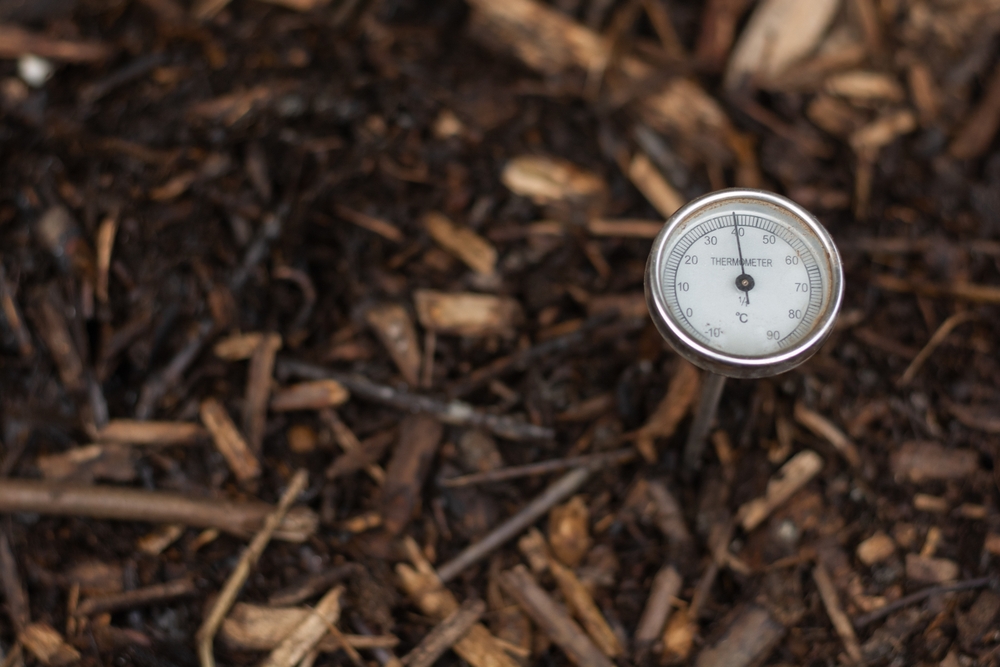
That distinction matters in a backyard garden because a pile can feel warm without reaching the temperatures needed throughout its entire mass. The outside edges may remain considerably cooler than the center, creating little safe houses for pathogens while the middle of the pile cooks away. Turning helps move cooler material into the hotter center, and a compost thermometer gives a much better answer than the classic hand-on-the-pile test.
A genuinely hot pile also needs the right ingredients, moisture, oxygen, and enough material to generate sustained microbial activity. If the pile smells sour, collapses into a soggy lump, or refuses to heat, adding diseased foliage does not magically upgrade the composting process. USDA guidance for backyard composting also recommends keeping diseased plants out of ordinary cold or slow compost because those piles may never reach temperatures high enough to kill disease-causing organisms.
Not Every Plant Disease Plays by the Same Rules
Plant pathogens do not all respond to heat in exactly the same way, which makes a blanket rule such as “hot compost kills everything” dangerously convenient. Research on boxwood blight, for example, found that sustained temperatures above 122°F for 24 hours prevented survival of that particular pathogen under the tested composting conditions. That finding demonstrates why composting can help manage some diseases, but it does not create a universal temperature recipe for every fungus, bacterium, virus, or other plant pathogen.
The type of disease also matters when deciding how cautious to become. A few spotted leaves from a plant with a minor foliar problem present a different situation from an entire bed of tomatoes carrying a persistent soil-associated disease. When a disease has caused repeated problems in the same garden area, keeping the infected debris out of home compost can prevent the compost pile from becoming an unwelcome return address.
University of Minnesota Extension takes a conservative approach for home gardeners and advises against adding diseased plant material to home compost because typical household piles often fail to reach sufficient heat for sufficient time. That advice makes particular sense for gardeners who do not monitor temperatures or regularly turn their piles.
The Compost Thermometer Earns Its Keep
A compost thermometer can turn a guessing game into an actual management decision. Instead of asking whether the pile “feels hot,” gardeners can check the temperature in several areas and watch how the pile changes after turning. A single impressive reading in the center does not prove that every diseased stem and leaf has received the same treatment.
Temperature also needs time on its side. USDA organic composting standards specify 131°F to 170°F for three days in certain contained or aerated systems, while windrow composting requires 131°F to 170°F for 15 days with at least five turnings. Those numbers come from regulated composting systems, so backyard gardeners should not treat them as a guarantee that any casually assembled pile has eliminated every plant pathogen.
For home composters, the safest approach combines heat, thorough mixing, adequate moisture, and patience. Keep the pile large enough to generate heat, balance nitrogen-rich green material with carbon-rich brown material, and turn it when the temperature begins to fall. If the pile never reaches the necessary heat or the gardener cannot monitor it consistently, the compost heap should not become the final resting place for questionable plant debris.
When the Compost Bin Should Say “No Thanks”
Some garden waste simply deserves a different exit route. If a plant carried a serious or persistent disease, especially one that already caused trouble in the soil, putting the debris in a municipal yard-waste stream or another approved disposal system can make more sense than gambling on a backyard pile. Many managed facilities control composting temperatures and handling far more closely than the average household setup.
The same caution applies when a compost pile runs cool, stays small, or receives little attention. Cold composting has plenty of uses for leaves, grass clippings, and other ordinary yard debris, but USDA guidance specifically recommends keeping diseased plants and weeds out because those conditions may not kill pathogens or weed seeds. There is no prize for forcing every scrap of garden waste into one bin, particularly when the alternative protects next year’s planting beds.
The best composting decision often comes down to one simple question: can the pile reliably deliver enough heat, throughout the material, for long enough to reduce the pathogen in question? If the answer is no, keep the diseased material out and compost the healthy debris instead. That small bit of restraint can save an enormous amount of frustration when planting season rolls around again.
Give Diseased Debris the Right Goodbye
Compost should recycle garden nutrients, not recycle garden problems. A carefully managed hot composting system can reduce many pathogens, but an ordinary backyard pile does not automatically reach the temperatures and time periods that make pathogen reduction dependable. Gardeners who monitor temperature, turn the pile thoroughly, and maintain good composting conditions have more control over the process, while everyone else should take the safer route with seriously diseased material.
The smartest compost pile sometimes has an admission policy. Healthy leaves, stems, spent plants, and kitchen scraps can become valuable organic matter, while heavily diseased material can leave through another disposal route. A little selectivity now can mean fewer disease headaches when the garden wakes up next season.
What garden disease has caused the biggest composting dilemma in your yard, and how do you usually handle the infected plant material?
You May Also Like…
Vermicomposting 101: Setup, Costs and Time Savings Compared to Traditional Bins
5 Cheap Materials for Screening Finished Compost
4 Composting Tricks That Work Better Than Store-Bought Bags
Composting in Hot Weather: How Turning and Moisture Control Speed Up Decomposition
7 Things You Should Never Put in Your Compost Bin

Brandon Marcus is a staff writer for FrugalGardening.com at District Media, Inc., where he delivers practical gardening advice with a relatable, no-nonsense style. An avid amateur gardener, he holds a BA degree and with over ten years of professional writing experience, he is also an award-winning published author whose first book, Questions For Deep Thinkers, was released by Adams Media. His work has appeared in major publications including Fandom.com, CHUD.com, TheColdWire.com, and Fansided.com.
Leave a Reply