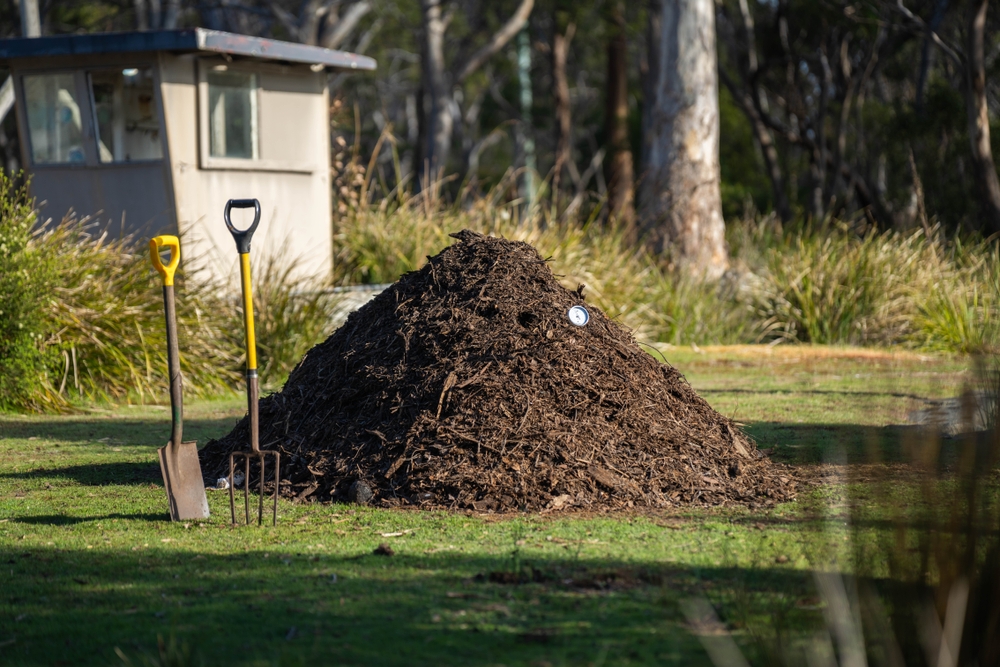
Hot weather can turn a compost pile into a fast-moving recycling machine, but only when the balance stays just right. Summer heat gives beneficial microbes a natural boost, yet blazing temperatures can also dry out a pile so quickly that decomposition slows to a crawl.
A few simple habits, especially regular turning and careful moisture control, keep everything working together instead of fighting against the weather. That means finished compost arrives sooner, kitchen scraps disappear faster, and the garden earns a rich reward without much extra effort.
Let Summer Heat Work for the Compost, Not Against It
Summer warmth gives composting microbes exactly what they want, which explains why piles often break down much faster than they do during chilly months. High temperatures encourage bacteria and fungi to feed aggressively on leaves, grass clippings, vegetable scraps, and other organic material, creating the steady heat that drives decomposition from the inside out. That sounds like a dream for gardeners, but scorching sunshine also steals moisture at an impressive pace, leaving microbes without the damp environment they need to stay active. A compost pile that feels dry like straw usually slows down, even during the hottest week of the season. The trick involves working with the weather instead of assuming heat alone will handle every step.
Placing the compost pile where it receives morning sun and a little afternoon shade often helps reduce excessive drying. Covering the pile with a breathable tarp or a layer of finished compost also helps lock in moisture while still allowing airflow. Gardeners who toss fresh materials onto the top every few days usually notice dry pockets developing unless they mix everything together. A quick inspection once or twice each week prevents little problems from becoming stubborn ones. Think of compost like baking bread because the ingredients need the right conditions before the real magic begins.
Turning the Pile Gives Microbes Fresh Energy
Turning a compost pile does much more than make everything look neat because it introduces fresh oxygen into the center where microbes work the hardest. Those tiny decomposers depend on oxygen to break down organic matter efficiently, and compacted piles often lose that valuable airflow. When the middle becomes dense and stale, decomposition slows while unpleasant odors start to appear. A thorough turn fluffs the materials, redistributes moisture, and moves partially decomposed material back into the active center. Even a pile that seemed sluggish can wake up surprisingly fast after a good mix.
Hot weather usually calls for turning every several days if the goal involves producing finished compost quickly. Gardeners who prefer a slower, lower-maintenance approach can stretch that schedule without causing serious problems, although decomposition takes longer. A garden fork works well for smaller piles, while rotating compost bins make the task much easier with only a few spins. Mixing fresh green materials with dry brown materials during each turn also keeps the ingredients balanced. Every turn acts like opening a window in a stuffy room because the entire pile feels refreshed.
Moisture Makes the Difference Between Fast and Frustrating
A compost pile should feel about as damp as a wrung-out sponge instead of dripping wet or bone dry. Summer heat often fools gardeners because the surface may appear fine while the center loses valuable moisture. Checking several inches below the top gives a much clearer picture of what the microbes actually experience. If the pile feels dry, adding water slowly while turning helps distribute moisture evenly instead of creating soggy pockets. Rushing the process with a quick splash from the hose rarely solves the problem.
Kitchen scraps, coffee grounds, and fresh grass clippings naturally contribute moisture, while shredded cardboard, dry leaves, and straw absorb excess water. That balance keeps the pile from becoming either dusty or swampy during unpredictable summer weather. Heavy rain after a dry spell can create the opposite problem, so covering the pile during extended storms often saves a lot of trouble later. Paying attention to texture instead of following a strict watering schedule usually produces better results. Healthy compost rarely asks for perfection, but it definitely appreciates consistency.
Small Adjustments Deliver Big Results All Season Long
Many gardeners accidentally overload the pile with fresh grass clippings during summer mowing season, creating dense layers that restrict airflow. Mixing those clippings with shredded leaves, torn newspaper, or small pieces of cardboard keeps the pile loose and active. Chopping larger vegetable scraps into smaller pieces also speeds decomposition because microbes reach more surface area. Every small adjustment saves time later by helping materials break down more evenly. Compost rewards patience, but it also responds quickly to thoughtful care.
Watching the pile becomes surprisingly satisfying once familiar patterns appear throughout the season. Steam rising on a cool morning, an earthy smell after turning, and shrinking layers all signal that the process continues moving in the right direction. If unpleasant odors develop, the pile usually needs more oxygen rather than expensive additives. If decomposition slows, checking moisture often reveals the real culprit before bigger issues develop. Successful composting comes from paying attention to simple details instead of chasing complicated tricks.
A Faster Compost Pile Starts With Simple Habits
Hot weather offers gardeners a wonderful opportunity to create rich compost in less time, provided the pile receives enough moisture and regular turning. Those two habits keep beneficial microbes active, prevent foul odors, and encourage steady decomposition from top to bottom. Small weekly checkups often accomplish far more than dramatic rescue efforts after problems appear. Before long, piles of scraps transform into dark, crumbly compost that feeds vegetables, flowers, shrubs, and trees with natural goodness. Summer may feel relentless, but a well-managed compost pile turns all that sunshine into one of the garden’s greatest advantages.
What composting trick has made the biggest difference in your garden during hot weather? Share your favorite tips, lessons, or even composting mishaps in the comments.
You May Also Like…
7 Things You Should Never Put in Your Compost Bin
Supercharge Your Soil: How to Brew Compost Tea or Worm Castings Tea at Home
13 Composting Ideas to Use Holiday Kitchen Waste in Your Garden
Use These 8 Winter Composting Tips for Gardeners
4 Composting Tricks That Work Better Than Store-Bought Bags

Brandon Marcus is a staff writer for FrugalGardening.com at District Media, Inc., where he delivers practical gardening advice with a relatable, no-nonsense style. An avid amateur gardener, he holds a BA degree and with over ten years of professional writing experience, he is also an award-winning published author whose first book, Questions For Deep Thinkers, was released by Adams Media. His work has appeared in major publications including Fandom.com, CHUD.com, TheColdWire.com, and Fansided.com.
Leave a Reply