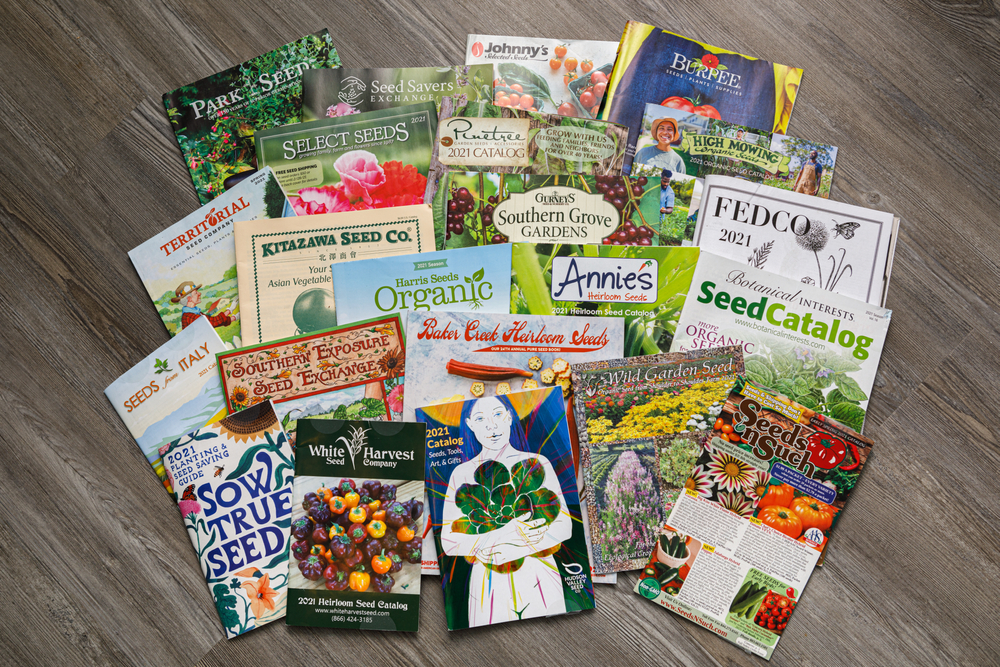
Finding an unexpected packet of seeds in your mailbox might seem like a gardener’s version of free money. Before you scatter those mystery seeds into a flower bed or tuck them into a pot, however, the U.S. Department of Agriculture wants you to stop. The USDA Animal and Plant Health Inspection Service says non-compliant seeds, including unsolicited seeds arriving without any connection to a purchase, can carry pests or diseases capable of threatening U.S. agriculture and natural resources. Some seeds can also be prohibited because they could spread harmful weeds or pests. If you receive unsolicited seeds in the mail, treating them like a free addition to your garden could create a problem much bigger than the cost of a seed packet.
Don’t Plant the Mystery Seeds
The first instruction from USDA APHIS couldn’t be much clearer: do not plant non-compliant seeds you receive. A seed can look completely harmless while carrying a plant pathogen, and you may not be able to reliably identify the species just by examining it. USDA also warns that certain seeds are prohibited because they could introduce harmful weeds or pests into the country. Once something has been planted outdoors, containing it becomes considerably harder than keeping a sealed packet on your kitchen counter. Curiosity isn’t worth turning unsolicited seeds in the mail into an unknown plant growing in your backyard.
Keep the Envelope, Label and Seeds Together
Your first instinct may be to throw away the strange envelope and keep the seeds while you figure out what they are, but USDA recommends keeping the packaging intact. Shipping labels, tracking information, invoices, seller information, and the packaging itself can help plant-health officials investigate where a shipment originated. When reporting non-compliant seeds, USDA APHIS asks for information including the date received, carrier and tracking number, whether the seeds were ordered, and photos of the seeds, labels, and packaging. That means even a plain-looking mailing label could contain information useful to investigators. Resist the urge to dump everything into the trash before you’ve reported what arrived.
Report the Seeds Instead of Trying to Identify Them Yourself
You don’t need to become an amateur botanist and identify every seed before asking for help. USDA instructs people receiving non-compliant seeds to contact their State Plant Health Director, who can provide guidance about what to do next. APHIS and state agriculture officials can examine reported seeds for harmful weeds, plant diseases, or pests. USDA says that, so far, it isn’t aware of non-compliant seed incidents resulting in new pest or disease outbreaks, which is reassuring but isn’t a reason to ignore a new shipment. Reporting unsolicited seeds in the mail helps agricultural officials investigate the package rather than leaving an individual gardener to guess whether it is safe.
USDA Has Specific Instructions for Storing Them
Don’t automatically toss the seeds into your compost, garbage disposal, backyard, or bird feeder while you’re waiting for guidance. USDA’s current instructions tell recipients to seal the seeds in a bag and put them in the freezer until contacted by their State Plant Health Director’s office. USDA also says to retain the package and accompanying documents during that time. That’s considerably different from the way you might handle an ordinary unsolicited consumer product because seeds are biological material capable of carrying agricultural risks. Following the official instructions is safer than improvising a disposal method that could accidentally release seeds or plant material outdoors.
If You Already Planted Them, You Should Still Report It
Maybe the warning reached you a week too late and those mystery seeds are already sitting in a planter on the patio. Don’t assume there’s nothing you can do now or immediately start pulling up and moving the plants yourself. USDA APHIS specifically says people who have already planted non-compliant seeds should still report them so plant-health experts can recommend next steps based on the seed and potential risks involved. That guidance matters because moving soil, plants, or seeds without knowing what you’re dealing with could potentially spread whatever officials are trying to contain. Tell officials that the unsolicited seeds in the mail have already been planted and follow the instructions they provide.
The Package Could Be Connected to a Brushing Scam
An unexplained package doesn’t necessarily mean someone specifically targeted your garden. The U.S. Postal Inspection Service warns about “brushing” scams in which third-party sellers send inexpensive merchandise that recipients never ordered and then use those transactions to create fake reviews or artificially boost sales. Postal inspectors also warn that some newer unsolicited packages contain QR codes directing recipients to fraudulent websites designed to collect personal information, a technique known as “quishing.” Don’t scan an unfamiliar QR code just because a card claims it will reveal who sent your surprise package. If mystery seeds arrive alongside a QR code or strange instructions, handle the agricultural issue and the potential fraud issue separately rather than following directions supplied by an unknown sender.
Even Seeds You Intentionally Order Can Create Problems
The problem isn’t limited to packages you never requested. USDA APHIS says some non-compliant seeds were intentionally purchased from websites that appeared American but were actually operated overseas and shipped internationally. Imported plants and seeds are subject to rules designed to protect U.S. agriculture, and many require permits, phytosanitary documentation, inspection, or other safeguards. USDA’s online seed-buying guidance explains that phytosanitary certificates attest that covered products are free of pests and diseases, while APHIS inspections provide another layer of protection. A bargain packet of unusual seeds isn’t particularly frugal if it bypasses safeguards intended to keep invasive pests and plant diseases out of your garden and the surrounding environment.
Free Seeds Aren’t Worth an Agricultural Gamble
Gardeners are naturally curious, and there’s something irresistible about seeing an unfamiliar seed and wondering what it might become. But unsolicited seeds in the mail are one gardening experiment USDA says you shouldn’t try. Leave the seeds unplanted, preserve their packaging, report the shipment to your State Plant Health Director, and follow official instructions about storage or disposal. If you’ve already planted them, report that too rather than quietly waiting to see what grows.
Have you ever received seeds or another strange gardening item in the mail that you never ordered? Tell us what showed up in the comments.
What to Read Next
A $3 Packet of Seeds Can Turn Into a $100 Mistake If You Buy the Wrong Kind Online
Bought Seeds Online From an Unknown Seller? USDA Says Don’t Plant Them Until You Check This
Leave a Reply