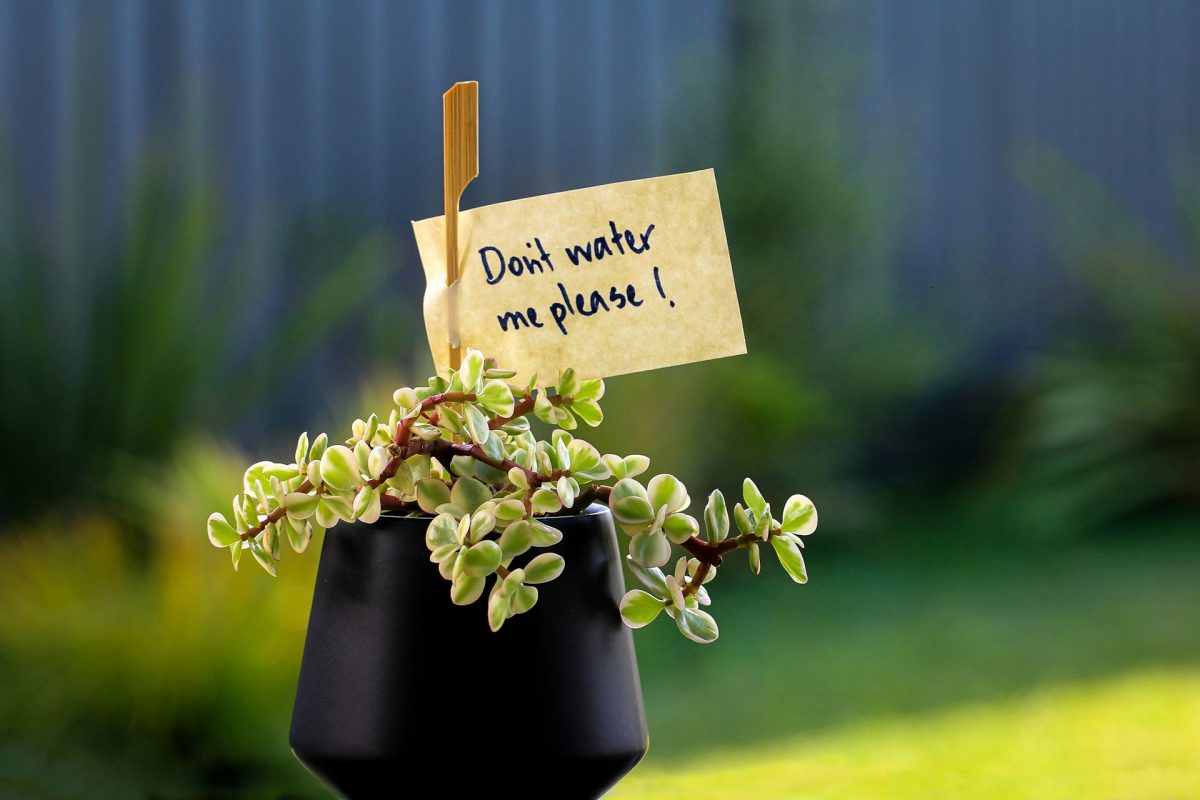
The biggest threat to a thriving houseplant collection doesn’t come from neglect—sometimes it comes from too much love. Watering feels like the easiest way to care for plants, so it becomes the default move whenever something looks even slightly off. Leaves droop? Add water. Soil looks dry on top? Add water. Growth slows down? Definitely add water. That instinct feels natural, but it quietly pushes plants into stress without setting off immediate alarms.
Healthy plants don’t shout when something goes wrong. They send signals that look deceptively harmless at first, and overwatering sits at the top of that list because it mimics other problems so well. A plant drowning at the roots can look just as unhappy as one begging for a drink. That confusion leads to even more watering, and suddenly a simple fix turns into a full rescue mission.
1. Leaves Turning Yellow Like They’ve Given Up
Yellow leaves don’t always signal a thirsty plant, even though that assumption shows up everywhere. Overwatering cuts off oxygen to the roots, and without oxygen, the plant struggles to function properly. That stress shows up as yellowing leaves that often feel soft instead of crisp. Unlike natural aging, which affects older leaves first, overwatering can cause multiple leaves across the plant to turn yellow at the same time. The color shift often looks dull and lifeless rather than vibrant. Once that yellowing spreads, the plant starts losing its ability to support new growth.
Pay attention to how quickly the yellowing appears and how the leaves feel to the touch. A mushy texture points straight to excess moisture sitting in the soil for too long. Instead of reaching for the watering can again, let the soil dry out completely before doing anything else. Improve drainage by checking for blocked holes at the bottom of the pot and consider switching to a lighter soil mix that drains faster. Plants don’t need constant moisture—they need balance, and yellow leaves act like a warning light flashing for attention.
2. Soil That Refuses to Dry Out
Healthy soil follows a rhythm: it gets wet, then dries out gradually, then gets watered again. When soil stays damp for days without any sign of drying, something has gone wrong. Overwatering creates a soggy environment where air pockets disappear, leaving roots sitting in water instead of breathing properly. That condition invites root rot, one of the fastest ways to lose a plant entirely. The top layer might look slightly dry, but the deeper soil often remains soaked and heavy.
Stick a finger a couple of inches into the soil or lift the pot to feel its weight. A pot that feels consistently heavy signals trapped moisture that has nowhere to go. Fixing this starts with watering less often and making sure excess water drains out completely after each watering session. Adding materials like perlite or orchid bark can help improve airflow in the soil. Plants thrive when their roots get both water and oxygen, not one drowning out the other.
3. Droopy Leaves That Don’t Bounce Back
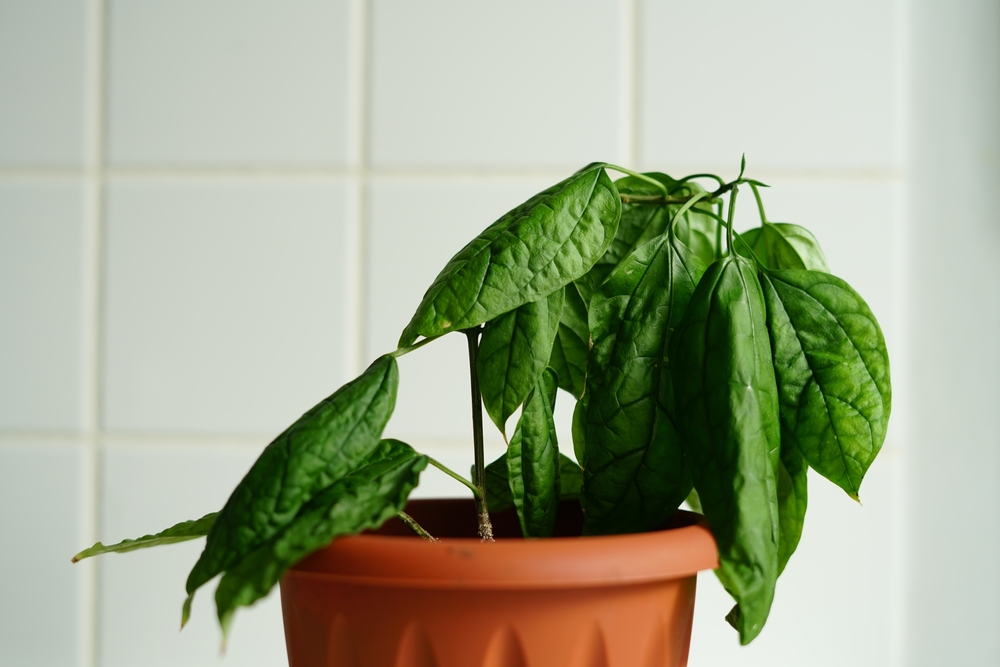
Drooping leaves usually trigger panic, and the immediate reaction involves pouring water into the pot as quickly as possible. That works for underwatered plants, but overwatered ones respond differently. Instead of perking up after watering, they stay limp or even look worse. The leaves might feel heavy and swollen rather than thin and dry. That weight comes from waterlogged cells struggling to maintain structure.
Watch how the plant behaves after watering. If the leaves don’t recover within a day, overwatering likely caused the issue. Give the plant time to dry out and place it in a spot with better airflow and light. Removing severely affected leaves can help the plant redirect energy to healthier parts. Drooping doesn’t always mean thirst—it often means the plant needs a break from too much attention.
4. Brown Tips That Feel Soft, Not Crispy
Brown leaf tips often get blamed on dry air or missed watering sessions, but texture tells the real story. Crispy, dry tips usually point to underwatering or low humidity. Soft, mushy brown tips signal excess moisture causing internal damage. Overwatering disrupts nutrient absorption, which leads to weak, damaged edges on the leaves. Those tips can spread inward if the problem continues.
Check the consistency of the affected areas before making any changes. If they feel soft and slightly wet, reduce watering immediately and allow the soil to dry thoroughly. Trim away damaged tips to prevent further spread and improve the plant’s appearance. Consistent watering schedules matter less than understanding the plant’s actual needs. Let the soil guide the timing instead of following a strict routine.
5. Mold or Fungus Making an Appearance
Mold on the soil surface doesn’t just look unpleasant—it reveals a deeper issue with excess moisture and poor airflow. Overwatered soil creates the perfect environment for fungal growth, especially in indoor spaces with limited ventilation. White, fuzzy patches or greenish growth often appear on the top layer of soil, and they tend to spread quickly if ignored. That growth doesn’t just stay on the surface; it signals that the entire environment stays too wet.
Scrape off the mold and let the soil dry out completely before watering again. Improve air circulation by moving the plant to a brighter, more open space. Reducing watering frequency and loosening the soil can prevent mold from returning. Plants need a clean, breathable environment, and mold acts like a clear sign that conditions have tipped too far in the wrong direction.
6. Roots That Smell Like Trouble
Healthy roots smell earthy and clean, but overwatered roots tell a completely different story. A foul, sour odor coming from the soil points straight to root rot. That smell develops when roots sit in water for too long and start to decay. Once rot sets in, the plant loses its ability to absorb nutrients effectively. Leaves may yellow, growth may stall, and the entire plant can collapse if the problem continues.
Gently remove the plant from its pot and inspect the roots if that smell appears. Healthy roots look firm and white, while rotting ones appear brown, mushy, and fragile. Trim away any damaged roots and repot the plant in fresh, well-draining soil. Water lightly after repotting and allow the plant to recover gradually. Quick action makes the difference between saving a plant and losing it completely.
7. New Growth That Stalls or Looks Weak
Plants love to grow when conditions feel right, so slow or weak new growth raises a red flag. Overwatering suffocates roots, which limits the plant’s ability to produce strong, healthy leaves. New growth may appear smaller than usual, pale in color, or oddly shaped. That lack of vitality shows that the plant struggles below the surface, even if older leaves still look somewhat fine.
Shift focus away from frequent watering and toward creating a balanced environment. Ensure the plant receives adequate light, since wet soil combined with low light worsens the problem quickly. Let the top layer of soil dry out before watering again, and consider adjusting the pot size if it holds too much moisture. Strong growth starts at the roots, and healthy roots need space, air, and moderation.
The Solution to Thriving Plants Isn’t More Water
Plants don’t measure care by how often they get watered—they respond to consistency, balance, and attention to detail. Overwatering sneaks in because it feels productive, but it quietly creates the exact conditions plants struggle to survive in. Recognizing these signs early turns plant care into something far more intuitive and rewarding. Each yellow leaf, soggy pot, or drooping stem tells a story that deserves attention rather than a quick fix.
Let the soil guide decisions, observe how each plant reacts, and resist the urge to overcorrect at the first sign of trouble. A thriving plant collection doesn’t come from doing more—it comes from doing the right things at the right time.
Which of these signs has shown up in your plants lately, and what changes made the biggest difference? Write down your thoughts, tips, or plant-saving stories in the comments.
You May Also Like…
What Curling Leaves Often Signal in Spring
Why Garden Beds Sink After Leaf Mulching
The Watering Habit That’s Quietly Killing Your Plants (Experts Are Begging Gardeners to Stop)
Why Overwatering in March Wastes Money
The Hidden Dangers of Overwatering in Cooler Months

Brandon Marcus is a staff writer for FrugalGardening.com at District Media, Inc., where he delivers practical gardening advice with a relatable, no-nonsense style. An avid amateur gardener, he holds a BA degree and with over ten years of professional writing experience, he is also an award-winning published author whose first book, Questions For Deep Thinkers, was released by Adams Media. His work has appeared in major publications including Fandom.com, CHUD.com, TheColdWire.com, and Fansided.com.
Leave a Reply