Fresh mulch transforms a yard in a single afternoon. Garden beds suddenly look polished, weeds shrink back, and plants pop against that rich blanket of bark or wood chips. Unfortunately, many gardeners keep piling it on until those beautiful beds quietly turn into oxygen-starved trouble zones.
Mulch helps soil retain moisture, regulate temperature, and reduce weed growth, but too much creates a dense barrier that traps excess moisture and blocks airflow around roots. Trees, shrubs, vegetables, and flowers all need oxygen underground just as much as leaves need sunlight above ground. When mulch sits too deep, roots struggle to breathe, fungal diseases spread faster, and plants begin showing stress that many homeowners mistakenly blame on heat, pests, or fertilizer problems. One common landscaping mistake can slowly sabotage an otherwise healthy yard.
Why Roots Need More Air Than Most Gardeners Realize
Roots stay surprisingly busy beneath the soil surface every hour of the day. They absorb water, pull nutrients from the soil, anchor plants firmly in place, and exchange oxygen through tiny spaces underground that healthy soil naturally provides. When thick mulch compresses the surface and traps too much moisture, those air pockets disappear fast, and roots begin suffocating in damp conditions.
Many gardeners assume roots only care about water, which explains why heavily mulched beds often look like a responsible gardening choice at first glance. The problem starts when mulch exceeds about two to four inches deep, especially with fine-textured materials that mat together after rain. Dense mulch layers create soggy conditions where harmful fungi thrive, and oxygen levels drop dramatically around root systems. Plants respond with yellowing leaves, weak growth, wilting, and poor flowering even while the soil remains wet.
The damage often creeps in slowly enough that people miss the connection. A shrub might lose vigor over one growing season and fail completely the next year after months of restricted airflow underground. Trees suffer especially hard because many homeowners build dramatic “mulch volcanoes” around trunks, burying root flares beneath heavy piles of wood chips. Arborists regularly warn that this landscaping trend contributes to rot, pest infestations, girdling roots, and shortened tree lifespans.
The Telltale Signs That Mulch Has Become a Problem
Plants rarely stay quiet when mulch depth gets out of control. Leaves may turn pale green or yellow even after fertilizing, stems can weaken, and growth may slow noticeably despite regular watering. Gardeners often respond by adding even more water, which only worsens the oxygen shortage happening below the surface.
A sour smell near garden beds also signals trouble brewing underneath the mulch layer. Healthy soil smells earthy and fresh, while oxygen-starved soil often develops a swampy or rotten odor because anaerobic bacteria take over in overly wet conditions. Mushrooms, slime molds, and fungal growth can spread rapidly across thick mulch beds that stay damp for long periods after rainfall.
Tree trunks provide another major warning sign. Bark should remain exposed at the base where the trunk widens into roots, but excess mulch often buries that critical area. Constant moisture against bark encourages decay, insect damage, and fungal infections that slowly weaken trees from the bottom up. Many mature trees decline for years before homeowners realize the mulch piled against the trunk caused the entire problem.
The Sweet Spot for Healthy Mulch Depth
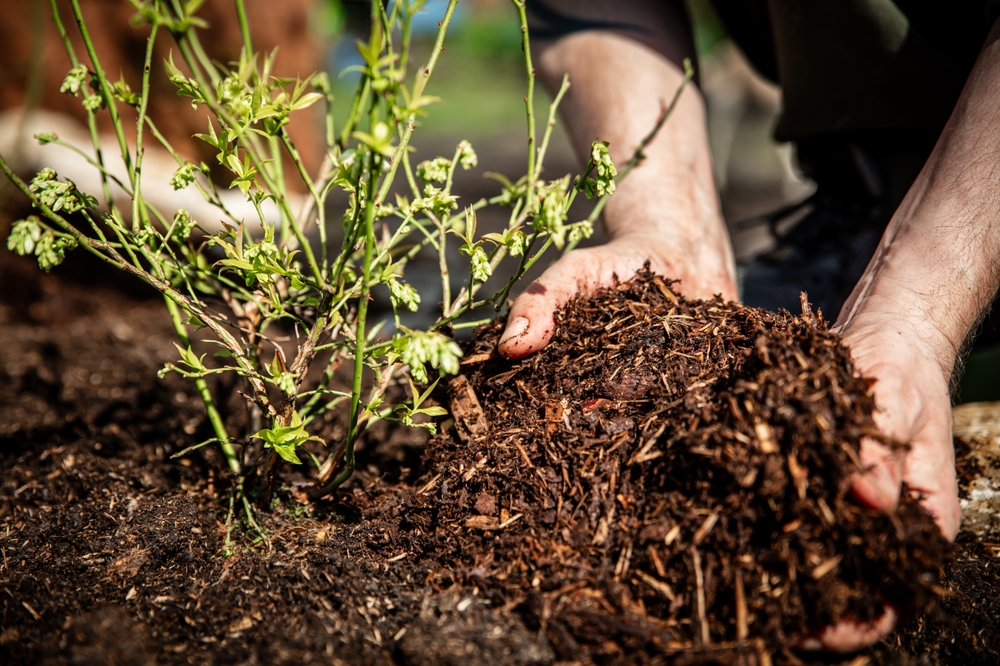
Most gardens thrive with a mulch layer between two and four inches deep. That range suppresses weeds, stabilizes soil temperature, and conserves moisture without sealing off airflow to roots. The exact depth depends on the mulch material because shredded bark behaves differently than straw, pine needles, compost, or wood chips. Fine mulch materials need thinner applications because they compact more easily after rain or irrigation. Shredded hardwood mulch, for example, can form a dense mat if spread too heavily, while coarse wood chips allow more airflow between pieces. Vegetable gardens often perform best with lighter layers that warm quickly in spring and avoid trapping too much moisture around delicate root systems.
Smart gardeners also leave a gap around trunks and stems instead of pressing mulch directly against plants. That small mulch-free zone dramatically reduces rot risks while still protecting soil moisture farther out in the bed. Professionals often describe this approach as creating a “donut” shape instead of a volcano around trees and shrubs. Plants breathe easier, bark stays dry, and roots receive the oxygen they desperately need.
Why Overmulching Happens So Often
Garden centers sell mulch by the truckload every spring for one simple reason: freshly mulched landscapes look fantastic. Thick, dark layers create instant curb appeal and give flower beds that professionally landscaped appearance many homeowners love. Unfortunately, visual impact often wins over proper horticultural practice.
Some gardeners also assume more mulch means fewer weeds forever. While mulch absolutely reduces weed growth, excessive layers eventually create the opposite problem because weeds begin rooting directly into decomposing mulch itself. Thick mulch can also repel water during dry periods, causing irrigation to run off instead of soaking into the soil where roots need it most.
Landscaping crews sometimes contribute to the issue by applying new mulch every season without removing older decomposed layers underneath. After several years, beds quietly accumulate six, eight, or even twelve inches of compacted organic material. Roots become trapped in shallow, unhealthy conditions above the real soil line, leaving plants vulnerable to drought, disease, and extreme temperatures. A yard may look tidy on the surface while roots struggle underneath.
Simple Fixes That Can Save Struggling Plants
Correcting overmulched beds usually works best with a gentle approach rather than a dramatic overhaul. Start by pulling excess mulch away from trunks, stems, and root crowns so air can circulate again. Reducing mulch depth to the recommended range often improves plant health surprisingly quickly once oxygen reaches the soil properly. Gardeners should also loosen compacted mulch layers that have formed dense mats over time. A small rake or hand cultivator can break up hardened surfaces and help water penetrate evenly instead of pooling above the soil. If mulch smells sour or slimy underneath, removing and replacing portions with fresh material may help restore healthier growing conditions.
Watering habits matter just as much during recovery. Overmulched beds stay wetter longer, so plants may need less irrigation than expected while roots recover from poor airflow. Monitoring soil moisture below the mulch layer prevents accidental overwatering that could continue stressing weakened roots. Healthy roots need a balance of moisture and oxygen, not endless saturation.
The Best Gardens Breathe Below the Surface
Great gardens depend on what happens underground just as much as the flowers blooming above it. Mulch remains one of the smartest tools in gardening when used correctly, but thicker does not mean better. Roots need room to breathe, soil needs airflow, and plants need balance to stay healthy through heat, rain, and seasonal stress.
A properly mulched garden looks beautiful while quietly supporting strong root systems instead of suffocating them. That sweet spot between too little and too much makes all the difference in long-term plant health. The next time a flower bed needs fresh mulch, grabbing the rake before creating another towering mulch volcano could save trees, shrubs, and perennials from years of unnecessary stress.
What mulch mistakes have caused the biggest headaches in your garden over the years?
You May Also Like…
Stop Buying Mulch: 3 Free Alternatives Already in Your Backyard
Planting Depth Errors That Prevent Roots From Developing Properly
9 Types of Mulch That Best Protect Roots from Winter Freeze
Low-Cost Mulching Options for Weed Control and Soil Health
The Watering Myth: Why More Moisture Can Hurt Root Development

Brandon Marcus is a staff writer for FrugalGardening.com at District Media, Inc., where he delivers practical gardening advice with a relatable, no-nonsense style. An avid amateur gardener, he holds a BA degree and with over ten years of professional writing experience, he is also an award-winning published author whose first book, Questions For Deep Thinkers, was released by Adams Media. His work has appeared in major publications including Fandom.com, CHUD.com, TheColdWire.com, and Fansided.com.
Leave a Reply