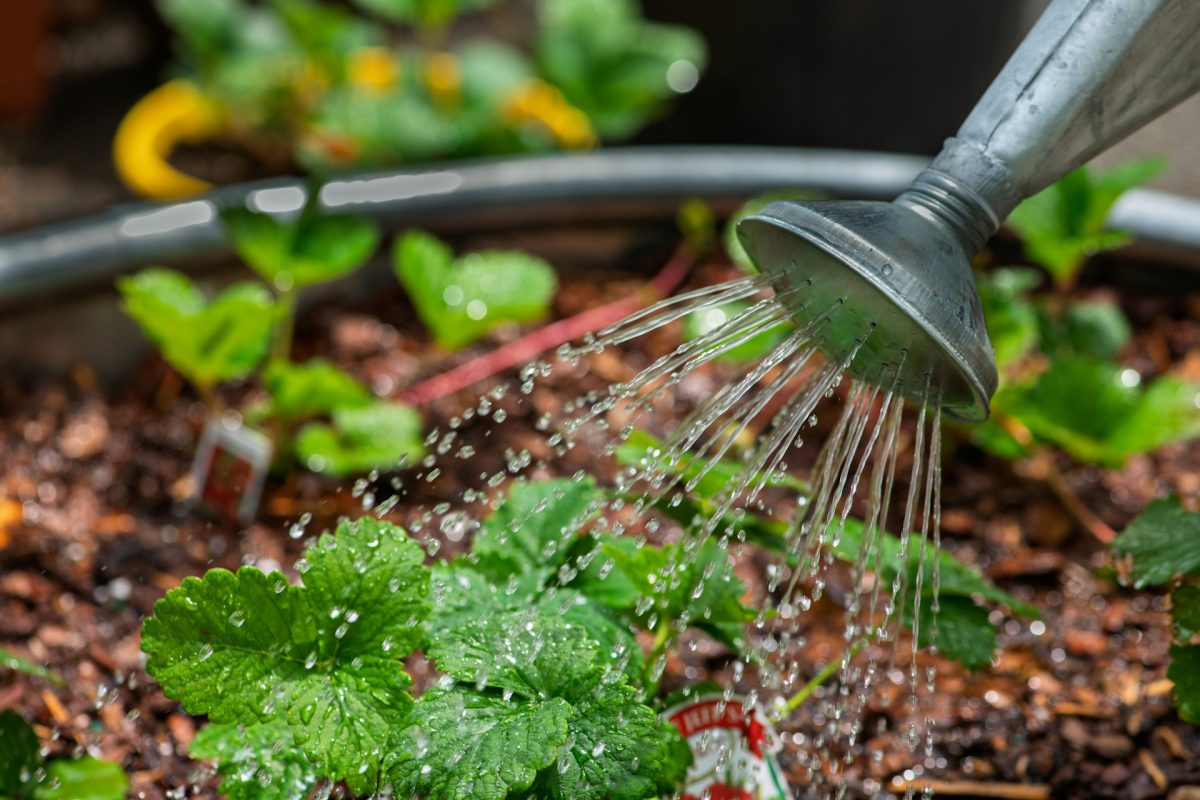
A plant drowning in kindness sounds like a contradiction, yet that’s exactly what overwatering does. One extra pour turns into two, and suddenly those once-perky leaves droop like they’ve given up on everything. The soil feels heavy, the pot looks innocent, and the plant sends distress signals that often get mistaken for thirst. That moment of realization hits hard, especially when the leaves start yellowing or falling faster than expected. It feels like a mistake that can’t be undone, but that’s not the truth at all. Plants may look fragile, but many of them fight hard to survive, and with the right moves, they bounce back.
Reviving an overwatered plant doesn’t require a miracle, but it does demand quick thinking and a bit of patience. Timing matters, technique matters, and understanding what’s happening beneath the surface changes everything. Roots need air just as much as they need water, and when they sit in soggy soil, they suffocate. That suffocation leads to rot, which spreads quietly but aggressively if ignored. The good news? Early action stops the damage and gives plants a second chance. With a few smart steps and a watchful eye, even the saddest plant can stage an impressive comeback.
When Water Becomes the Enemy: Spotting the Warning Signs Early
Overwatering doesn’t announce itself with a dramatic splash; it creeps in quietly and disguises itself as care. Leaves turn yellow, but not the crisp kind that signals dryness; instead, they look soft, almost limp, like they’ve lost their will to stand upright. The soil feels damp even days after watering, and sometimes it smells faintly sour, which signals trouble brewing beneath the surface. That smell often points to root rot, a condition that spreads quickly if left unchecked. Plants may also drop leaves suddenly, which can confuse anyone who assumes more water will fix the issue. Instead of helping, that extra watering pushes the plant further into stress. Recognizing these early signals makes all the difference, because quick action prevents long-term damage.
Another telltale sign shows up in the plant’s overall posture. Healthy plants hold themselves upright, while overwatered ones sag, even when the soil remains wet. This drooping confuses people, since it mimics the look of a thirsty plant, but the cause sits at the opposite end of the spectrum. Roots soaked in water lose their ability to absorb oxygen, which disrupts the plant’s entire system. Growth slows down, new leaves appear smaller or misshapen, and the plant stops thriving. Even the color of the foliage can shift from vibrant green to a dull, tired shade. Paying attention to these subtle shifts allows plant owners to act before the situation spirals. Once those signs appear, the recovery process needs to start immediately.
Drying Out Without Stressing Out: The First Rescue Move
The moment overwatering becomes clear, the plant needs breathing room. Letting the soil dry out might sound obvious, but the approach matters more than the idea itself. Simply ignoring the plant for days doesn’t always work, especially if the pot lacks proper drainage. Instead, moving the plant to a brighter spot with indirect sunlight helps speed up evaporation without scorching the leaves. Increasing airflow around the plant also plays a key role, since stagnant air keeps moisture trapped in the soil. A gentle breeze or a nearby fan can make a noticeable difference in how quickly the soil dries. The goal here isn’t to bake the plant dry but to restore balance gradually.
Taking the plant out of its pot can also jumpstart the recovery process when the soil feels excessively soggy. Gently removing excess soil from the roots allows trapped moisture to escape and gives the roots a chance to breathe again. This step requires a careful touch, since damaged roots break easily under pressure. Shaking off clumps of wet soil rather than pulling them off keeps the roots intact. After that, placing the plant on a dry surface for a short period allows excess moisture to evaporate naturally. Repotting into fresh, well-draining soil gives the plant a clean slate and prevents further waterlogging. This method may feel a bit dramatic, but it often saves plants that would otherwise decline quickly.
Root Check Reality: Trimming Trouble Before It Spreads
Once the plant comes out of its pot, the roots tell the real story. Healthy roots look firm and light-colored, while rotting ones appear dark, mushy, and sometimes slimy. That contrast makes it easy to identify which parts need attention. Using clean scissors or pruning shears, trimming away the damaged roots stops the rot from spreading further. This step might feel harsh, but it actually gives the plant a better chance to recover. Leaving rotting roots in place only invites more problems, since decay spreads quickly in damp conditions. Clean cuts encourage new growth and help the plant redirect its energy toward healing.
After trimming, the plant benefits from a short rest before going back into soil. Allowing the roots to air out for a few hours helps reduce lingering moisture and lowers the risk of further rot. Choosing the right pot matters just as much as trimming the roots. A container with proper drainage holes prevents water from pooling at the bottom, which reduces the chances of repeating the same mistake. Pairing that pot with well-draining soil creates an environment where roots can thrive instead of struggle. This stage marks a turning point, where the plant shifts from survival mode back toward recovery. Careful attention here sets the foundation for long-term health.
The Comeback Plan: Smarter Watering Habits That Actually Work
Reviving a plant means more than fixing the immediate damage; it requires a smarter approach moving forward. Watering should follow the plant’s needs, not a rigid schedule. Checking the top inch of soil before watering prevents unnecessary moisture buildup and keeps the roots in a healthy range. Sticking a finger into the soil might sound simple, but it remains one of the most reliable methods available. If the soil feels dry, then watering makes sense; if it still feels damp, waiting another day or two protects the plant from another round of stress. This habit alone prevents most overwatering issues from happening again.
Choosing the right soil mix also plays a major role in long-term success. Dense soil holds onto water for too long, while a well-draining mix allows excess moisture to escape. Adding materials like perlite or coarse sand improves drainage and keeps the roots from sitting in water. The pot size matters too, since a pot that’s too large holds more soil than necessary, which increases the risk of overwatering. Matching the pot size to the plant’s root system creates a more balanced environment. These adjustments might seem small, but they build a routine that supports healthy growth. Once those habits settle in, plants thrive without constant worry.
Back From the Brink: Keeping the Momentum Going
A plant that survives overwatering deserves a steady path forward, not another round of guesswork. Recovery doesn’t happen overnight, and patience plays a crucial role during this phase. Leaves may take time to regain their firmness, and some damaged foliage might never bounce back. Removing severely damaged leaves allows the plant to focus on new growth instead of trying to repair what’s beyond saving. Consistent care, rather than sudden changes, keeps the plant on track. Light, water, and airflow should stay balanced to avoid putting the plant under stress again. Watching for small improvements, like new leaf growth or stronger stems, signals that the plant has turned a corner.
What started as a mistake ends up becoming a lesson that pays off in the long run. What strategies have worked best, and what surprising plant comeback stories deserve a spotlight in the comments? Let’s hear them!
You May Also Like…
Planting Depth Errors That Prevent Roots From Developing Properly
7 Mulch Moves That Prevent Freeze Damage to Roots
Why Overwatering in March Wastes Money
7 Simple Soil Tests You Can Do at Home Without Special Tools
How to Reduce Water Use Without Sacrificing Plant Health

Brandon Marcus is a staff writer for FrugalGardening.com at District Media, Inc., where he delivers practical gardening advice with a relatable, no-nonsense style. An avid amateur gardener, he holds a BA degree and with over ten years of professional writing experience, he is also an award-winning published author whose first book, Questions For Deep Thinkers, was released by Adams Media. His work has appeared in major publications including Fandom.com, CHUD.com, TheColdWire.com, and Fansided.com.
Leave a Reply