Gardens can turn into endless money pits when plants refuse to cooperate or demand constant replacement. Some plants, however, flip that script entirely and behave like enthusiastic little overachievers that keep producing more of themselves. These green powerhouses don’t just grow—they expand, spread, and multiply with almost suspicious eagerness. Once they settle into a garden, they practically take over the job of filling empty spaces for free.
Anyone looking to stretch a gardening budget while still enjoying fresh herbs, flowers, or ground cover will want to know these standout performers. A few smart choices at planting time can transform a yard into a self-renewing ecosystem that keeps giving year after year.
1. Mint Turns Any Corner Into a Never-Ending Supply Chain
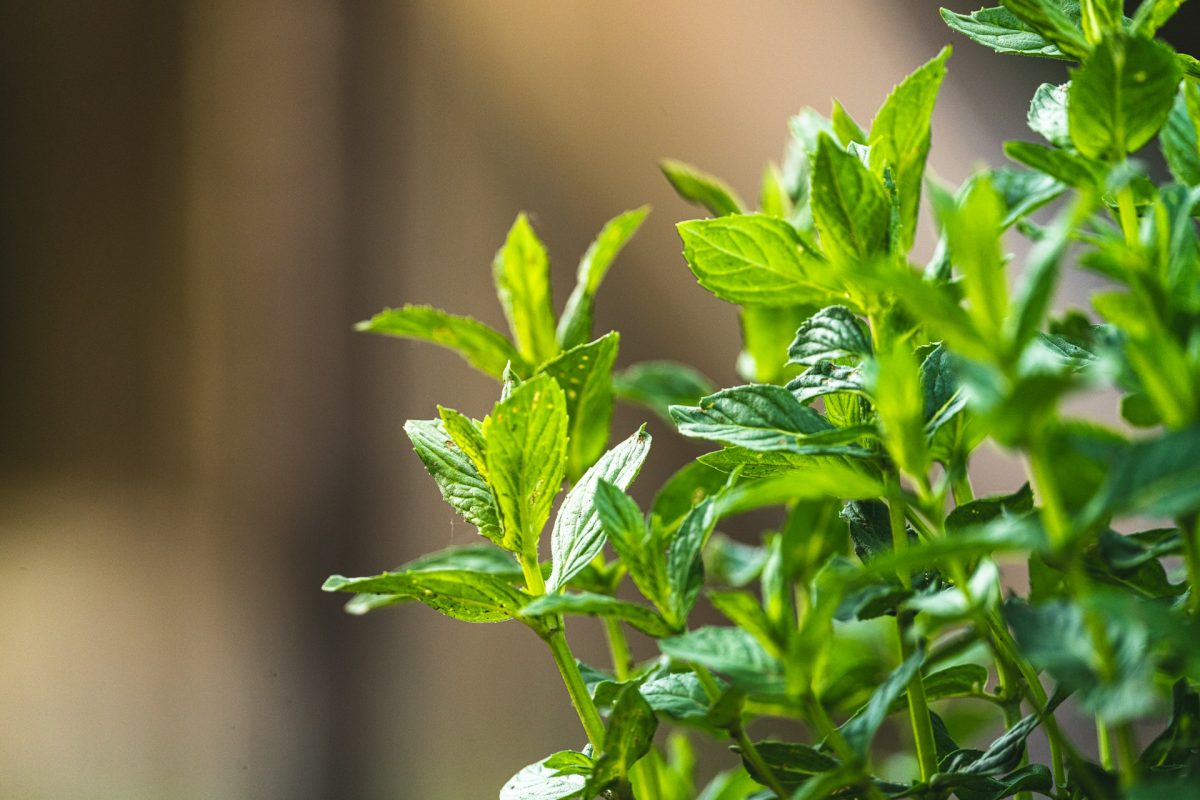
Mint refuses to behave like a polite garden plant and instead spreads through underground runners with impressive speed. One small starter plant quickly becomes a full patch that keeps expanding outward in every direction. Gardeners often discover new mint shoots popping up in unexpected places because this herb loves to explore. Containers help control its enthusiasm, but even then it tries to sneak out and claim more space. Its rapid growth makes it perfect for teas, cocktails, and cooking, since harvesting barely slows it down.
Mint thrives in partial shade and moist soil, which makes it easy to grow in many environments. Once established, it requires almost no maintenance beyond occasional trimming. Strong aroma also keeps some pests away, adding another layer of usefulness to its presence. Many gardeners treat mint like a renewable resource rather than a typical plant. A single purchase can easily turn into years of endless harvests.
2. Chives Multiply Quietly But Never Stop Expanding
Chives grow in tidy clumps that slowly divide themselves year after year without much attention. Each mature plant naturally splits into new clusters, creating larger and larger patches over time. Gardeners often start with a small bunch and end up with enough chives to share with neighbors. Their mild onion flavor makes them a kitchen staple that rewards frequent harvesting. Cutting them actually encourages stronger regrowth, which keeps the cycle going.
Chives tolerate cold weather surprisingly well, returning early in spring when most plants still sleep. They also produce attractive purple flowers that add beauty to herb beds. Pollinators like bees flock to those blooms, boosting overall garden health. Dividing clumps every few years spreads them even faster across new areas. This simple herb delivers both flavor and expansion without demanding much effort.
3. Strawberries Send Out Runners That Build Entire Patches
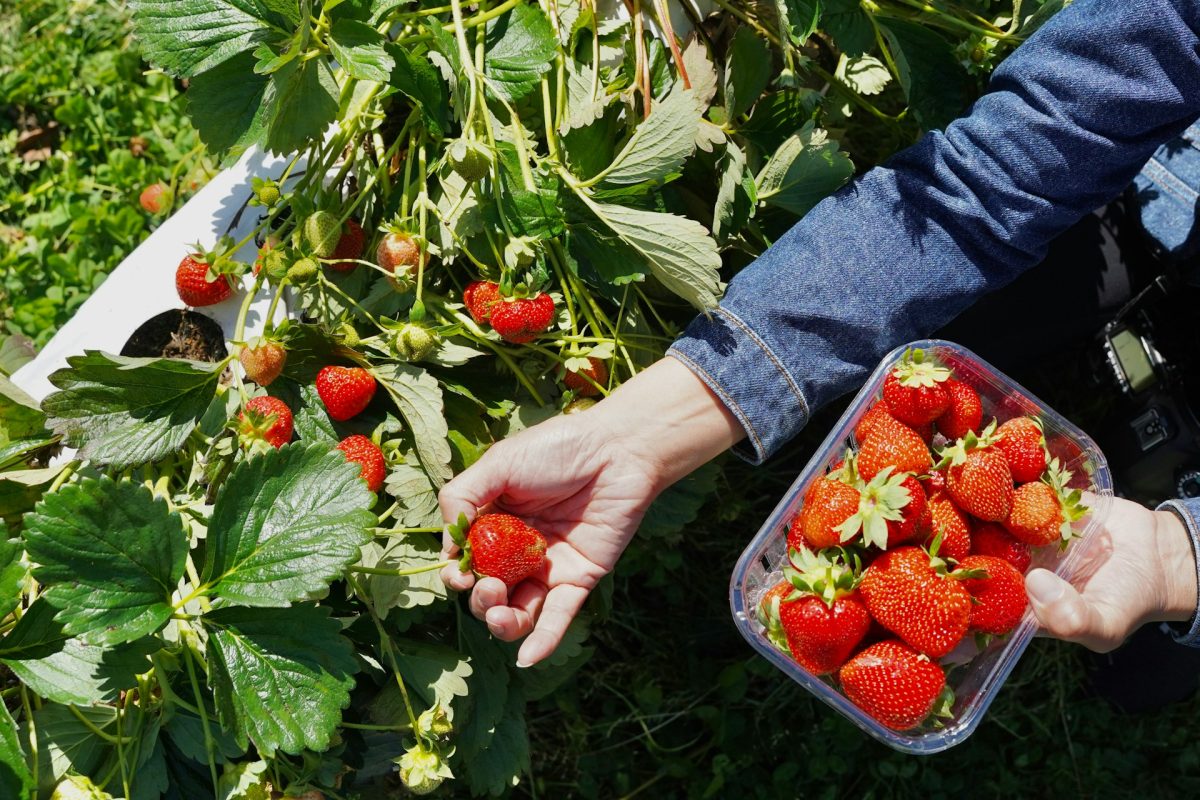
Strawberries expand through long stems called runners that root themselves wherever they touch soil. Each runner forms a new plant identical to the parent, creating a growing network of fruiting patches. A single healthy plant can produce dozens of offspring within a season. Gardeners often use this natural spreading habit to fill raised beds or garden borders quickly. Once established, strawberry patches become self-sustaining fruit factories.
Strawberries prefer full sun and well-drained soil, which helps them produce sweeter fruit. Regular watering keeps runner production strong throughout the growing season. Removing weak plants encourages stronger daughter plants to take their place. Birds and pests may target the fruit, so some protection helps maximize harvests. With minimal effort, strawberries turn a small investment into years of fresh fruit.
4. Oregano Spreads Into Aromatic Ground Cover That Never Quits
Oregano grows both by spreading roots and by self-seeding, creating thick mats of flavorful foliage. Once planted, it quickly fills empty spaces and resists competition from weeds. Its hardy nature allows it to thrive in poor soil where other herbs struggle. Frequent trimming encourages bushier growth and more vigorous expansion. Many gardeners use oregano as a living ground cover that doubles as a kitchen herb supply.
Hot, sunny conditions bring out oregano’s strongest flavor and fastest growth. It survives drought conditions easily once established, making it low maintenance. Flowering oregano attracts beneficial insects that support the rest of the garden. Dividing mature clumps helps spread it into new areas without buying additional plants. This herb delivers both culinary value and landscape coverage in one package.
5. Raspberry Canes Create Fruit-Packed Thickets Over Time
Raspberry plants expand through underground suckers that emerge as new canes each season. One original planting can evolve into a dense patch loaded with fruiting stems. Gardeners often find themselves harvesting more berries than they expected within just a few years. Pruning older canes encourages stronger new growth and higher yields. Left unchecked, raspberries quickly form natural hedges filled with seasonal fruit.
Raspberries thrive in full sun and benefit from rich, well-drained soil. Support structures like trellises help keep canes organized and easier to harvest. Regular pruning prevents overcrowding and improves fruit quality. Birds love the berries, so netting often protects peak harvests. This plant rewards patience with expanding harvests that increase every year.
A Garden That Keeps Reproducing Itself
These plants change the way gardening works by turning small purchases into long-term abundance. Each one spreads in its own unique way, whether through runners, roots, division, or underground growth. Gardeners who choose them gain more harvests, more coverage, and fewer trips to the nursery. Smart placement and light maintenance help these plants thrive without taking over in unwanted ways. A garden filled with self-multiplying plants quickly becomes both productive and budget-friendly.
What plant would you trust to take over your garden first if given the chance? If you have some ideas, advice, or experiences to share, do so below in our comments section.
You May Also Like…
The $100 Mistake: Why Most New Gardeners Kill Their Plants in the First Week
The Molasses Mystery: Why Sugar Makes Your Microbes (And Plants) Go Wild
8 Backyard Fruits No One Knows You Can Grow in Small Spaces
The End-of-Aisle Secret: Finding the Discount Rack at Home Depot and Lowe’s
7 Simple Soil Tests You Can Do at Home Without Special Tools

Brandon Marcus is a staff writer for FrugalGardening.com at District Media, Inc., where he delivers practical gardening advice with a relatable, no-nonsense style. An avid amateur gardener, he holds a BA degree and with over ten years of professional writing experience, he is also an award-winning published author whose first book, Questions For Deep Thinkers, was released by Adams Media. His work has appeared in major publications including Fandom.com, CHUD.com, TheColdWire.com, and Fansided.com.
Leave a Reply