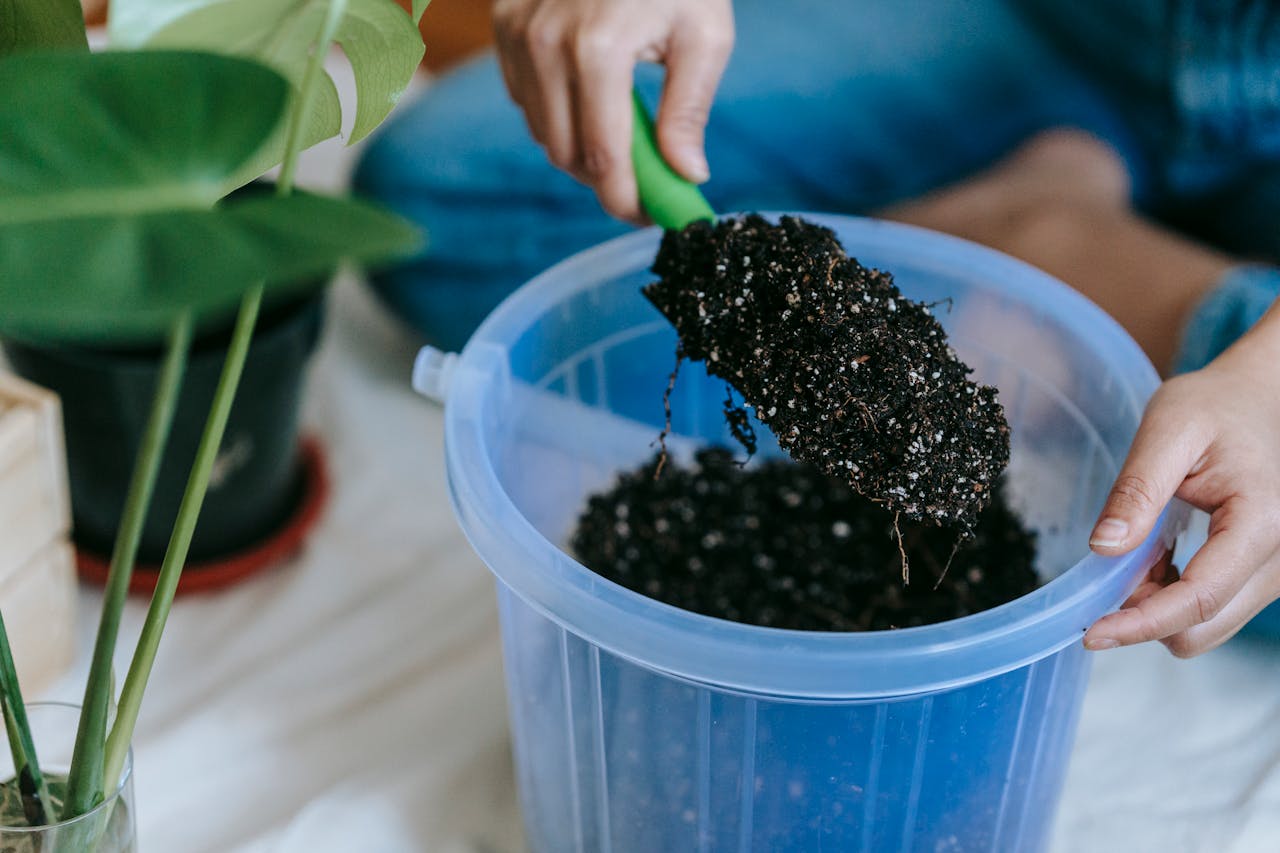
Fresh food doesn’t have to come with a hefty grocery bill or a sprawling backyard. A simple 3-bucket garden setup can deliver steady harvests of herbs, greens, and even vegetables—all while keeping costs shockingly low. This approach works on patios, balconies, and small yards, making it perfect for anyone craving fresh produce without complicated systems. With just a few materials and smart plant choices, it’s possible to stretch a tiny investment into weeks of flavorful, homegrown food. The real magic comes from choosing the right crops and maximizing every inch of space.
This method doesn’t rely on fancy tools or expensive soil mixes. It leans on practical gardening techniques that experienced growers have used for years, adapted for tight budgets and small spaces. Each bucket plays a specific role, creating a mini ecosystem that produces consistent results.
The Power of Three Buckets: Small Setup, Big Results
A three-bucket system delivers efficiency, flexibility, and surprising productivity in a compact setup. Each bucket serves a different purpose, allowing gardeners to grow a variety of crops without overcrowding. One bucket focuses on leafy greens, another supports herbs, and the third handles a slightly larger crop like tomatoes or peppers. This separation keeps plants healthy and prevents competition for nutrients and water. With careful placement, these buckets can thrive in limited sunlight and still produce impressive yields.
Smart gardeners know that spacing and plant pairing matter just as much as soil and water. By assigning each bucket a role, the system avoids common beginner mistakes like overcrowding and poor airflow. Leafy greens such as spinach and lettuce grow quickly and provide frequent harvests, making them ideal for one container. Herbs like basil, parsley, and cilantro flourish together and add constant flavor to meals. The third bucket offers room for a single larger plant, creating a balanced and productive mini garden that keeps food coming week after week.
Budget Breakdown: How to Build It for Under $10
A tight budget doesn’t limit gardening success—it forces smarter decisions that often lead to better results. Three basic buckets can often be sourced for free from local bakeries, grocery stores, or community groups. Potting soil can stretch further by mixing it with compost or even nutrient-rich yard soil, cutting costs significantly. Seeds offer the most value, with packets often costing just a couple of dollars while producing dozens of plants. With a little resourcefulness, the entire setup can come together for less than the cost of a single grocery store herb plant.
Real savings appear over time as the garden starts producing food regularly. A single packet of lettuce seeds can yield multiple harvest cycles, replacing several store-bought purchases. Herbs, once established, continue growing for weeks or even months with proper trimming. Even the bucket designated for larger crops can produce enough to offset its initial cost quickly. This system doesn’t just save money upfront—it keeps grocery bills lower long after the first seeds sprout.
What to Grow: High-Yield Crops That Keep Producing
Choosing the right plants turns this simple setup into a food-producing powerhouse. Fast-growing greens like arugula, lettuce, and kale deliver quick results and allow repeated harvesting. Herbs such as basil and mint thrive in small containers and grow back quickly after trimming. For the third bucket, compact tomato varieties or peppers offer steady production without requiring excessive space. These crops provide the best balance of yield, ease, and nutritional value for a beginner-friendly system.
Experienced gardeners often focus on “cut-and-come-again” plants because they maximize output from limited space. Instead of harvesting entire plants, small portions get trimmed while the rest continues growing. This technique extends the life of each plant and increases overall production. It also reduces waste and keeps meals fresh and flavorful. With the right crop selection, three buckets can easily supply weeks of salads, garnishes, and cooking ingredients.
Simple Maintenance That Keeps the Garden Thriving
A small garden still needs consistent care, but this setup keeps maintenance simple and manageable. Regular watering remains essential, especially for containers that dry out faster than traditional garden beds. Most plants in this system thrive with daily checks and light watering, depending on weather conditions. Sunlight plays a key role, so placing buckets where they receive at least six hours of light boosts growth significantly. A little attention each day prevents bigger problems later.
Healthy plants also require occasional feeding to maintain strong growth. A basic liquid fertilizer or compost tea can provide the nutrients needed without adding much cost. Pruning and harvesting regularly encourages new growth and prevents plants from becoming overcrowded. Watching for pests helps catch issues early before they spread. With just a few minutes of care each day, this small garden continues producing far beyond expectations.
Big Mistakes That Can Limit Your Harvest
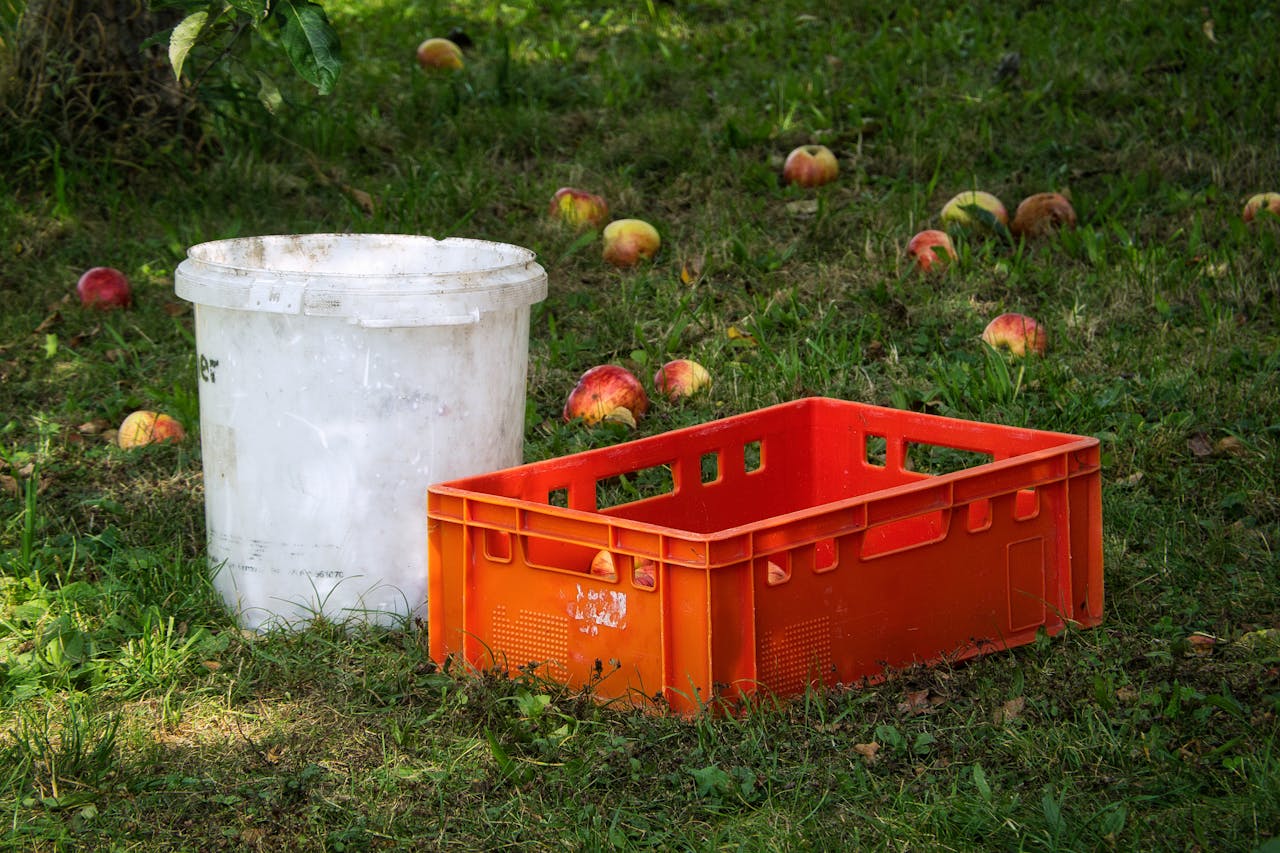
Even a simple system can run into trouble without the right approach. Overwatering ranks as one of the most common mistakes, often leading to root rot and weak plants. Poor drainage can make this problem worse, so adding small holes to bucket bottoms ensures excess water escapes. Choosing the wrong plants for limited space can also reduce yields and create unnecessary frustration. A little planning avoids these setbacks and keeps the system productive.
Another frequent issue involves neglecting sunlight needs. Plants placed in low-light areas struggle to grow and produce less food over time. Skipping regular harvesting can also limit output, as overgrown plants stop producing as efficiently. Ignoring these small details can reduce the garden’s effectiveness significantly. Paying attention to these factors keeps the system running smoothly and ensures consistent results.
Turning Three Buckets Into a Reliable Food Source
A simple three-bucket garden proves that growing food doesn’t require a large investment or complicated setup. With the right crops, basic materials, and consistent care, this system can deliver fresh ingredients for weeks at a time. It transforms small spaces into productive growing areas that support both savings and healthier eating. The combination of low cost and high yield makes it one of the most practical gardening strategies available. Anyone willing to try it can quickly see just how powerful a small setup can become.
What would be the first thing planted in a three-bucket garden setup? You can get started right away today! Tell us your plans and thoughts in our comments section.
You May Also Like…
Vertical PVC Gardening: Building a Space-Saving Food Tower for $15
The 5-Gallon Bucket Challenge: How to Grow a Full Salad Bar in One Pail
12 Beautiful Botanical Gardens You Need To Add To Your Bucket List
Don’t Buy Seed Starters: Use These 4 Free Household Containers Instead
10 Containers You Can Use to Grow Winter Annuals

Brandon Marcus is a staff writer for FrugalGardening.com at District Media, Inc., where he delivers practical gardening advice with a relatable, no-nonsense style. An avid amateur gardener, he holds a BA degree and with over ten years of professional writing experience, he is also an award-winning published author whose first book, Questions For Deep Thinkers, was released by Adams Media. His work has appeared in major publications including Fandom.com, CHUD.com, TheColdWire.com, and Fansided.com.
Leave a Reply