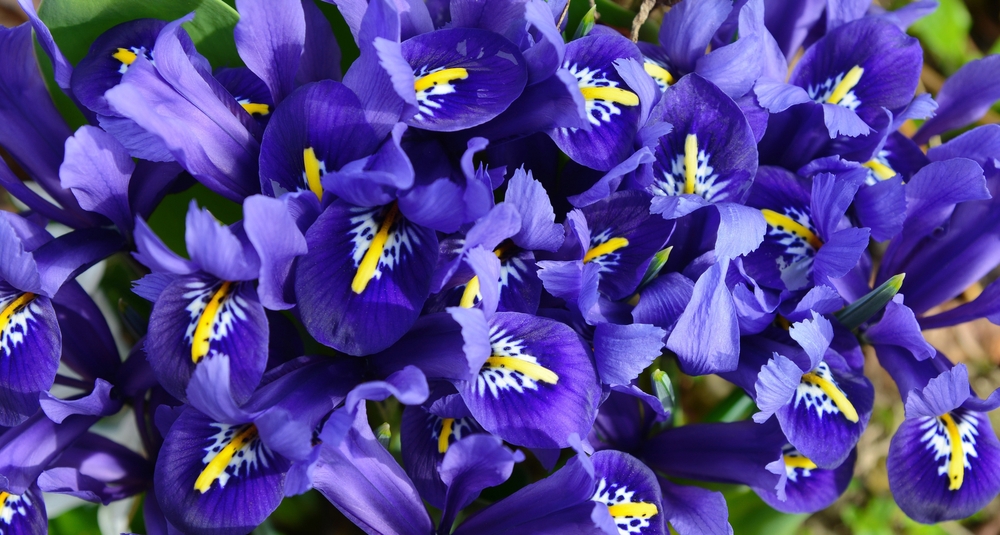
Freshly divided irises look surprisingly tough. Those chunky rhizomes seem almost indestructible sitting on a garden cart, but appearances fool plenty of gardeners every season. Leave them exposed to hot sun, drying wind, or a forgotten afternoon on the driveway, and those healthy divisions can lose precious moisture before they even reach the soil.
Keeping divided irises hydrated does not require fancy products or complicated techniques. A few simple habits make the difference between a division that settles into its new home with confidence and one that struggles for months. Timing, handling, and smart watering all play a role in giving these colorful garden favorites the best possible start.
1. Replant Divisions as Soon as Possible
Nothing protects a divided iris better than getting it back into the ground quickly. Every hour spent baking in the sun or sitting in dry air allows the rhizome to lose moisture. Even if the plant survives, unnecessary drying can slow root growth and delay flowering.
Gardeners often divide more irises than they can realistically plant in one afternoon. Instead of digging every clump at once, tackle the project in manageable sections. Dig a few plants, trim the foliage into a fan shape, inspect each rhizome for healthy growth, and replant before moving to the next group. This simple rhythm keeps every division fresher and reduces the chance that distractions will leave valuable plants sitting in the heat.
2. Keep Rhizomes Cool and Shaded During the Process
Even organized gardeners encounter delays. A phone call arrives, clouds disappear, or a neighbor stops to admire the flower beds. During those moments, newly divided irises need protection from direct sunlight more than anything else.
Lay the rhizomes beneath a tree, under a covered porch, or inside a shallow box lined with slightly damp newspaper or a lightly moistened towel. The material should feel barely damp, never dripping wet. Excess moisture encourages rot, while gentle humidity slows moisture loss without creating soggy conditions. Avoid sealing fresh divisions inside airtight plastic bags on warm days because trapped heat can create the perfect environment for decay.
3. Plant at the Right Depth and Water Wisely
One of the biggest mistakes with divided irises has nothing to do with dryness at all. Many gardeners bury the rhizomes too deeply in hopes of protecting them from the sun. Unfortunately, that often creates moisture problems of a different kind.
Bearded iris rhizomes prefer their upper surface close to the soil line, where sunlight reaches them while the roots stretch into moist soil below. After planting, water thoroughly to settle soil around the roots and eliminate air pockets. Continue watering whenever the surrounding soil becomes dry during the establishment period, especially during stretches of hot weather. The goal involves keeping developing roots hydrated while avoiding constantly soggy conditions that invite rot.
4. Mulch Carefully Without Smothering the Rhizome
Mulch earns praise in almost every gardening conversation, but irises require a lighter touch than many other perennials. Piling thick mulch directly over the rhizome traps excess moisture and limits airflow. That combination creates problems much faster than it solves them.
Instead, spread a thin layer of mulch around the surrounding soil while leaving the top of the rhizome exposed. This approach helps the ground retain moisture, moderates soil temperatures, and reduces evaporation around developing roots. Organic mulch also keeps weeds from competing for water during those critical first weeks after transplanting. Think of the mulch as a helpful neighbor rather than a heavy blanket.
5. Watch the Weather and Give Extra Help During Heat
Freshly divided irises handle mild weather much better than blazing summer afternoons. If unusually hot or windy conditions arrive shortly after planting, young divisions may need temporary protection until new roots establish themselves.
A simple piece of shade cloth, an overturned garden crate that allows airflow, or even a patio umbrella can reduce stress during the hottest part of the day. Extra watering may also become necessary during prolonged dry spells, but always check the soil first instead of watering by habit. Moist soil encourages steady root development, while constantly wet soil invites disease. Paying attention to weather forecasts often allows gardeners to stay one step ahead instead of reacting after plants begin showing signs of stress.
Give Every Iris Division a Strong Start
Dividing irises ranks among the easiest ways to multiply one of the garden’s most reliable flowering perennials, but success depends on what happens during the first few days after the shovel leaves the ground. Quick replanting, gentle handling, proper planting depth, careful mulching, and close attention to weather all work together to preserve valuable moisture where it matters most.
Healthy rhizomes rarely ask for much. They simply need a little protection from drying conditions while fresh roots develop. Give them that small advantage, and they often reward the effort with vigorous foliage and spectacular blooms that brighten the garden for years to come.
What tips have helped keep your newly divided irises healthy after transplanting? Share your favorite techniques and experiences in the comments below.
You May Also Like…
7 Ways to Build a Backyard Retreat With Plants You Already Own
Why Are Gardeners Adding Keystone Plants to Ordinary Backyards?
8 Ways to Keep a July Garden Productive Without Buying New Plants
March Is A Good Time to Divide Perennials (Depending on Your Zone)
Are Old-Fashioned Flowers Making a Comeback in Modern Gardens?

Brandon Marcus is a staff writer for FrugalGardening.com at District Media, Inc., where he delivers practical gardening advice with a relatable, no-nonsense style. An avid amateur gardener, he holds a BA degree and with over ten years of professional writing experience, he is also an award-winning published author whose first book, Questions For Deep Thinkers, was released by Adams Media. His work has appeared in major publications including Fandom.com, CHUD.com, TheColdWire.com, and Fansided.com.
Leave a Reply