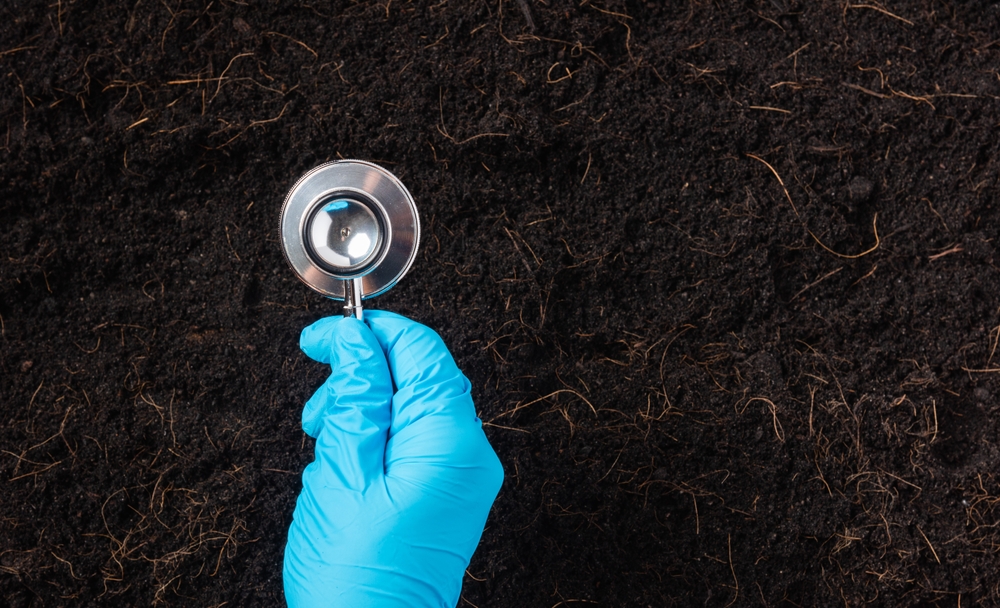
Something strange is happening in gardens, farms, and backyard beds across the country, and seasoned growers are starting to sound the alarm. Plants look healthy one week and suddenly struggle the next, harvests shrink for no obvious reason, and once-reliable soil starts acting like it has a mind of its own. Gardening experts aren’t pointing to bugs or bad seeds this time—they’re pointing underground.
The issue isn’t flashy, dramatic, or easy to spot, which makes it even more dangerous for everyday gardeners. In 2026, soil health is becoming one of the biggest hidden threats to successful gardening, and ignoring it could cost you entire seasons of growth.
The Real Problem Isn’t Dirt — It’s Dead Soil
Healthy soil isn’t just dirt; it’s a living ecosystem full of microbes, fungi, bacteria, organic matter, air pockets, and nutrients working together. Experts warn that more soil is becoming biologically “dead,” meaning it lacks the microorganisms plants rely on to absorb nutrients. This happens when soil gets compacted, stripped of organic matter, or repeatedly treated with harsh chemicals that disrupt microbial life.
Plants can sit in soil that looks fine on the surface but still starve because the underground ecosystem collapsed. In 2026, more gardens are failing not from pests, but from soil that simply can’t support life anymore. If your plants look weak despite watering and fertilizing, your soil biology might be the real culprit.
Compaction Is Turning Gardens Into Concrete
Soil compaction is spreading faster than most gardeners realize, especially in urban and suburban spaces. Heavy foot traffic, construction runoff, repeated machine use, and even overwatering compress soil particles until roots struggle to breathe. Compacted soil blocks oxygen flow, traps water in unhealthy ways, and prevents roots from expanding properly. Plants respond with stunted growth, yellowing leaves, and weak root systems that collapse under stress.
Experts are seeing compaction damage in places that used to grow effortlessly. Simple fixes like aeration, raised beds, mulching, and limiting foot traffic can dramatically improve soil structure.
Chemical Buildup Is Quietly Poisoning Root Systems
Over-fertilization and chemical treatments don’t always help plants—they often hurt them long-term. Synthetic fertilizers, pesticides, and herbicides can accumulate in soil and disrupt natural nutrient cycles. This buildup can damage beneficial microbes and create nutrient imbalances that make plants more vulnerable to disease. Experts warn that many gardeners mistake chemical stress for nutrient deficiency and add even more fertilizer, making the problem worse.
More soil problems stem from chemical overload than lack of nutrients. Switching to compost, organic amendments, and soil testing before adding products can restore balance instead of creating dependency.
Water Patterns Are Breaking Soil Structure
Changing weather patterns and irregular watering habits are damaging soil composition at a structural level. Heavy rainfall compacts soil and washes away nutrients, while drought dries it out and kills microbial life. Extreme moisture swings break down soil aggregates that normally hold air and water in balance.
When soil loses structure, it becomes either mud or dust, neither of which supports healthy plant growth. Experts say gardens need better water management than ever before. Drip irrigation, mulch layers, and soil conditioners help stabilize moisture and protect soil ecosystems.
Loss Of Organic Matter Is Starving Plants From The Ground Up
Organic matter feeds the entire soil ecosystem, not just the plants. Compost, decaying leaves, wood chips, and natural mulch all fuel microbial life and nutrient cycling. Many modern landscapes remove organic debris for “cleanliness,” unknowingly stripping soil of its food source. Without organic matter, soil becomes lifeless, compacted, and nutrient-poor.
Experts warn that this invisible starvation process is spreading fast in both home gardens and landscaped spaces. Reintroducing compost, leaf mulch, and organic ground cover can rebuild soil health surprisingly quickly.
Pathogens And Soil-Borne Diseases Are Spreading Faster
Soil that lacks healthy microbes becomes vulnerable to harmful fungi, bacteria, and root diseases. Beneficial organisms normally suppress pathogens naturally, but dead soil loses that defense system. This allows diseases like root rot and fungal infections to spread faster and hit harder.
Garden experts are seeing more plant diseases tied directly to soil imbalance rather than contaminated plants. Healthy soil acts like an immune system for your garden. Rebuilding microbial diversity is one of the strongest disease prevention strategies available.
How Smart Gardeners Are Fighting Back
The good news is that soil can recover faster than people think when treated properly. Composting, cover cropping, mulching, reduced tilling, and organic amendments rebuild soil life naturally. Aeration improves oxygen flow and root expansion.
Soil testing prevents unnecessary chemical use and guides smarter nutrient choices. Water management strategies stabilize moisture and protect soil structure. These small habits create massive long-term improvements.
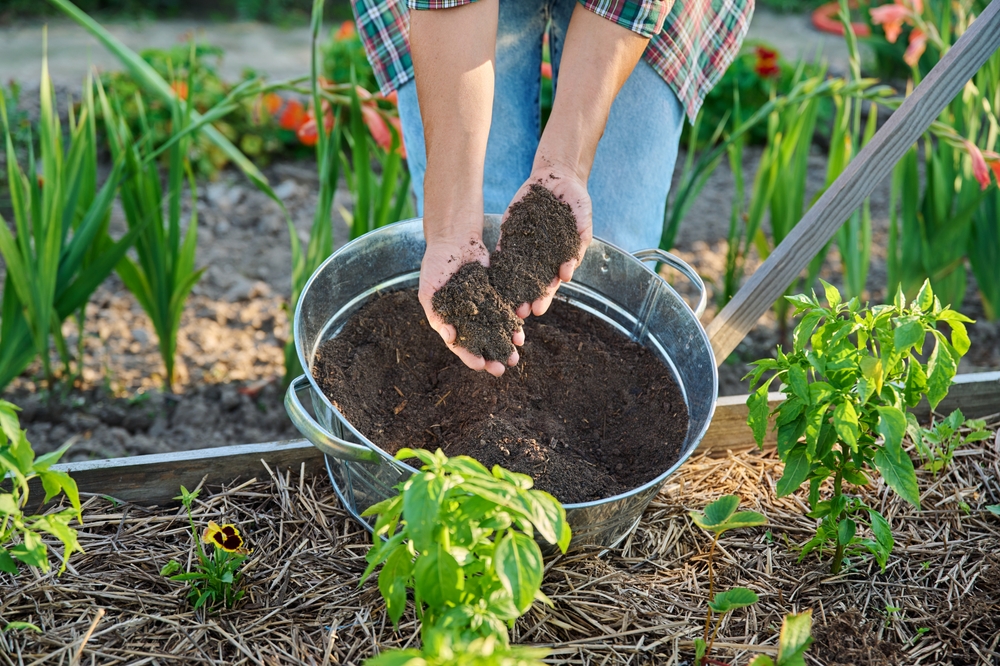
The Soil Reckoning Every Gardener Needs To Have
The biggest gardening shift of 2026 isn’t about trendy plants or new tools—it’s about soil awareness. Experts agree that soil health now determines success more than climate, seeds, or fertilizers. Gardens thrive when soil thrives, and collapse when it doesn’t. The future of growing isn’t above ground—it’s underground. Smart gardeners don’t just grow plants anymore; they grow soil ecosystems.
If your garden struggled this year, did you blame the plants, or did you ever stop to think the problem might be under your feet? Share your thoughts in the comments below.
You May Also Like…
Gardeners in the Carolinas Warned: Soil Mix Is Testing Positive for Lead
Is Buying Soil in Bulk Always the Cheaper Option?
6 Vegetables That Don’t Benefit From Expensive Soil Additives
8 Low-Cost Ways to Improve Garden Soil Structure
The $3 Soil Test That Could Save Your Spring Garden—And It’s Not Sold at Big Box Stores

Brandon Marcus is a staff writer for FrugalGardening.com at District Media, Inc., where he delivers practical gardening advice with a relatable, no-nonsense style. An avid amateur gardener, he holds a BA degree and with over ten years of professional writing experience, he is also an award-winning published author whose first book, Questions For Deep Thinkers, was released by Adams Media. His work has appeared in major publications including Fandom.com, CHUD.com, TheColdWire.com, and Fansided.com.
Leave a Reply