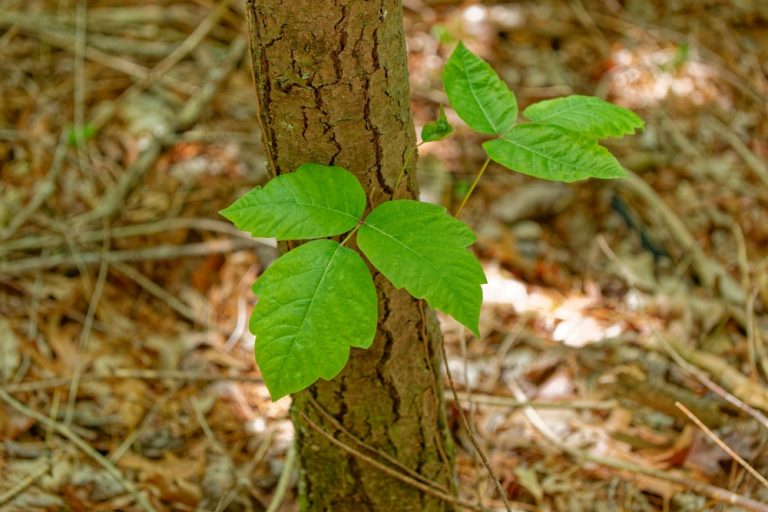
Poison ivy can look like nothing more than a crispy pile of garden debris when the season turns, but that dead-looking material deserves a very wide berth. Burning it can send urushiol, the oily substance that causes poison ivy’s infamous rash, into the smoke, creating a much bigger problem than a few itchy spots. The…
gardening safety
A $3 Packet of Seeds Can Turn Into a $100 Mistake If You Buy the Wrong Kind Online
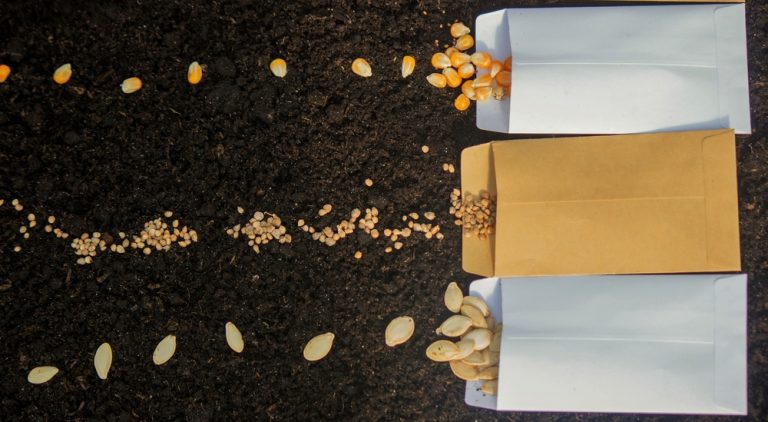
A $3 packet of seeds can look like the ultimate gardening bargain, especially when an online listing promises an unusual flower, giant vegetable, or rare plant that local garden centers never seem to carry. But that tiny packet can create a much bigger headache if the seller misrepresents the seeds, ships them from another country…
Bought Seeds Online From an Unknown Seller? USDA Says Don’t Plant Them Until You Check This
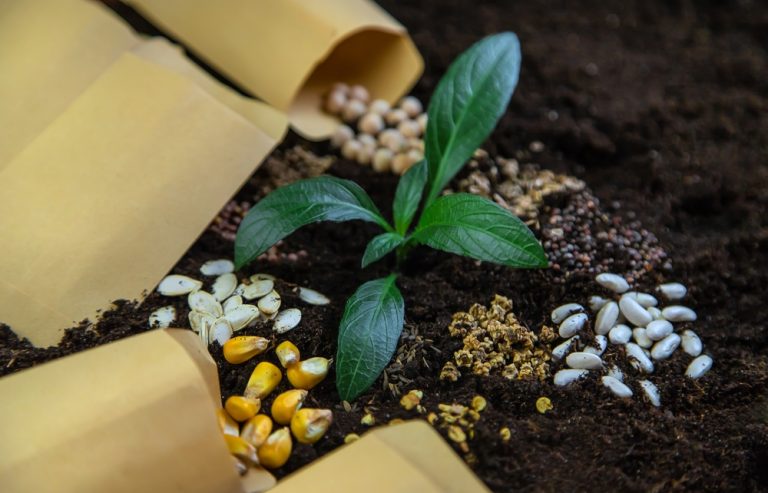
That packet of unusual flower or vegetable seeds from an unfamiliar online seller might look like a bargain, but the USDA has a very good reason for telling gardeners to pump the brakes. Before planting seeds bought online, check where they came from and whether they meet U.S. import requirements. That matters even more when…
Poison Ivy Isn’t the Only Plant Gardeners Should Learn to Recognize
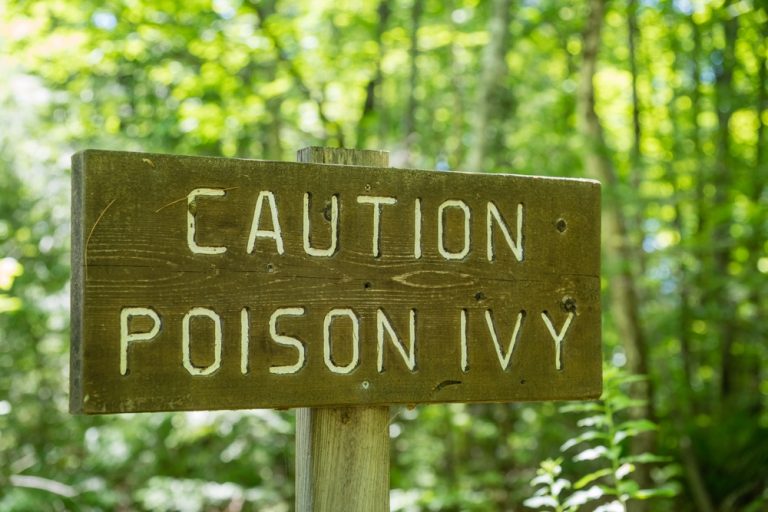
Poison ivy gets the celebrity treatment when it comes to plants gardeners should avoid, and for good reason. Its three leaflets have inspired generations of cautious yard work, but several other plants can cause much more serious problems, from painful skin burns to severe poisoning if someone mistakes them for an ordinary weed. That does…
This Invasive Plant Can Cause Severe Skin Burns — Here’s How to Recognize It
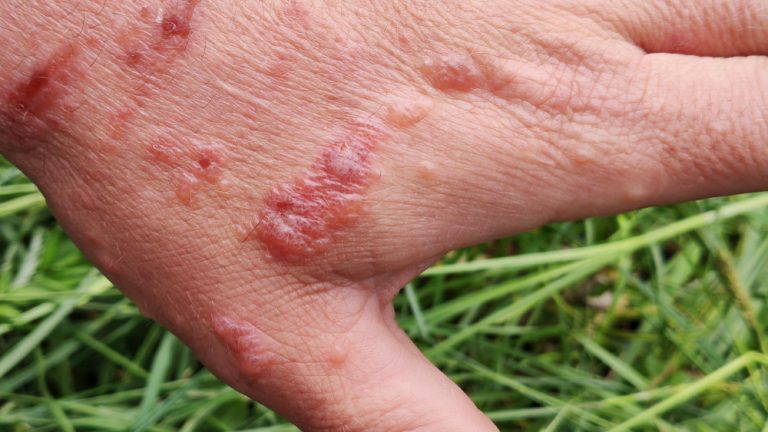
Giant hogweed looks like the sort of enormous, dramatic plant that belongs in a fantasy garden, but getting too close can turn a pleasant walk or weekend yard project into a medical problem. Its clear, watery sap contains compounds that can make skin extremely sensitive to ultraviolet light, leading to painful burns and blisters after…
7 Red Flags That an Online Seed Listing May Be a Scam
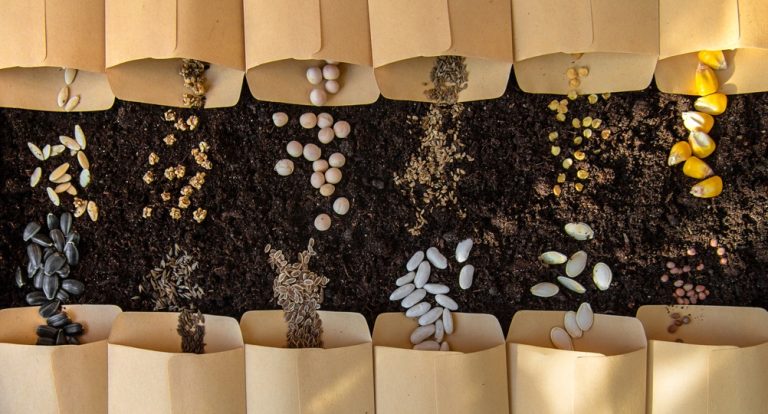
A packet of seeds can look like a tiny promise in an envelope, especially when the listing shows a rose with rainbow petals, a sunflower shaped like a teddy bear, or a flower that appears to glow from the inside. The problem starts when that gorgeous picture has more to do with artificial intelligence than…
7 Plants You Should Think Twice About Touching With Bare Hands
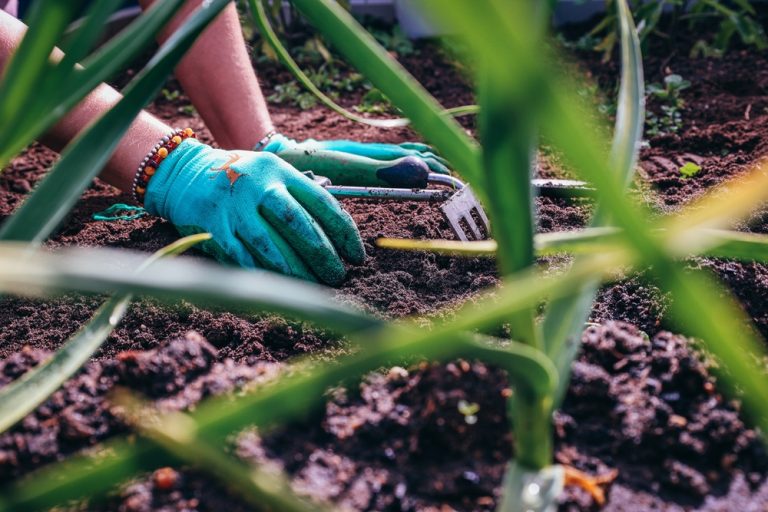
Gardening usually involves getting a little dirt under the fingernails, but some plants can make that hands-on approach a genuinely bad idea. Certain species can sting instantly, trigger an itchy rash hours later, or leave skin dangerously sensitive to sunlight. A pair of gloves can turn a questionable gardening decision into a very uneventful afternoon….
Why Are Wasps Hovering Around Your Garden Beds?
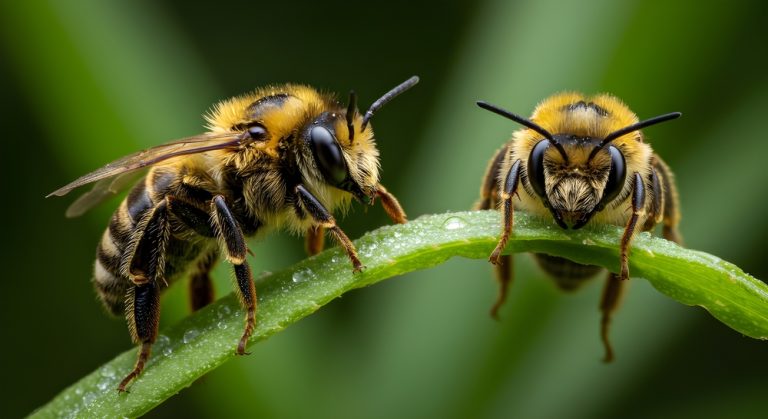
Wasps hovering around garden beds usually have a reason, and the answer often involves food, water, shelter, or a combination of all three. A garden can look like a buffet, a watering hole, and a cozy apartment complex to a wasp, all at the same time. That does not automatically mean a nest lurks under…
7 “Natural” Fertilizers That Can Backfire on Your Health
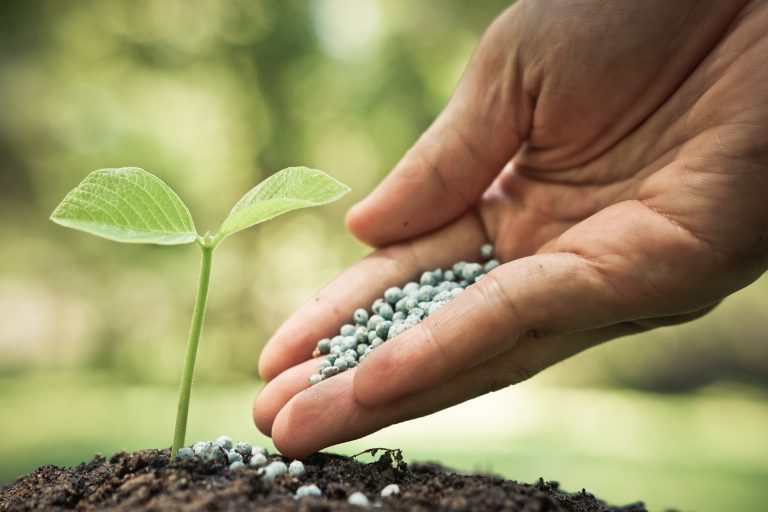
Is your fertilizer a health risk? Gardeners often reach for “natural” fertilizers, thinking they’re automatically safe. After all, if it’s organic or homemade, how harmful could it be? But just because something comes from nature doesn’t mean it’s safe. In fact, some fertilizers labeled as natural can trigger health issues for people and pets, especially…