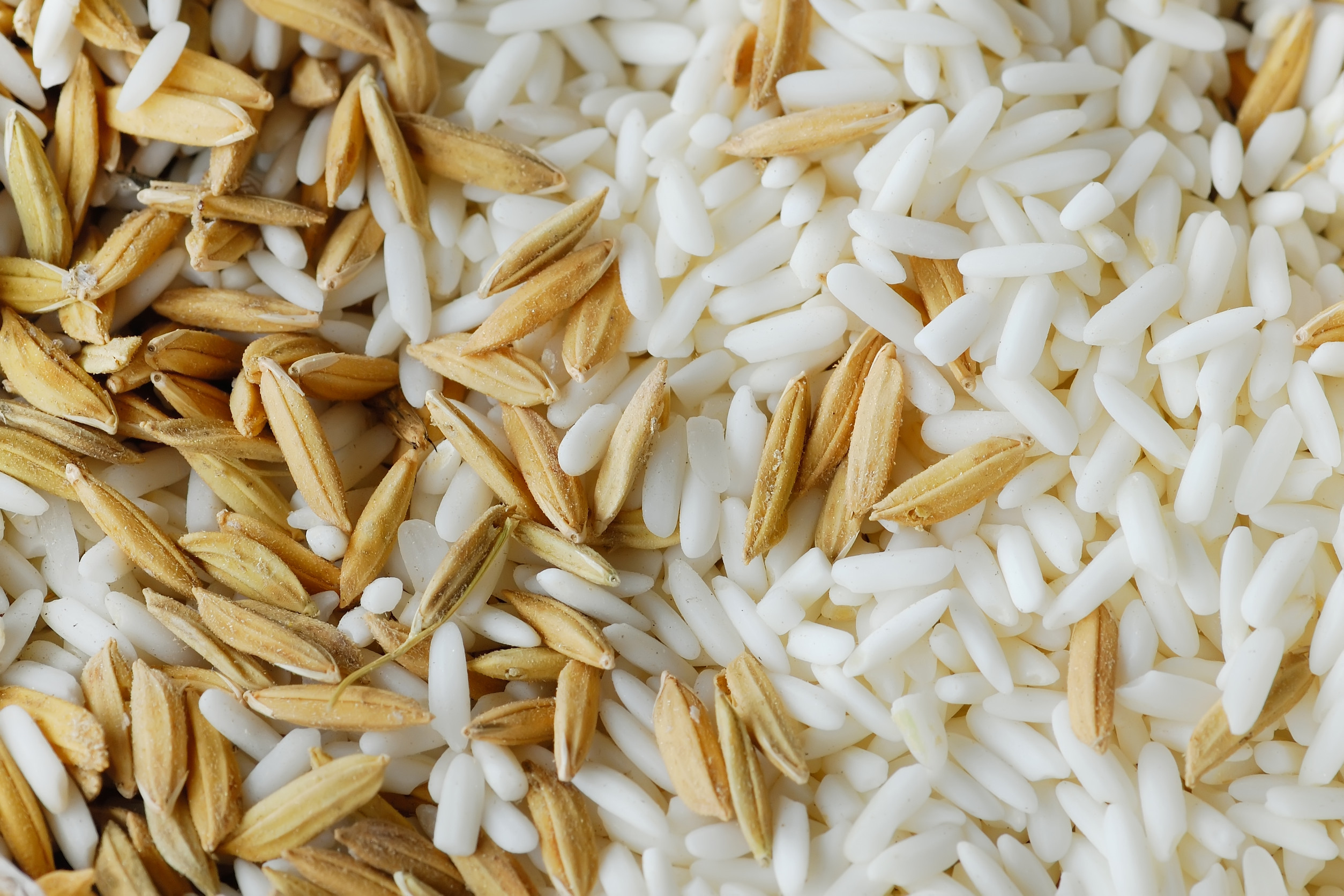
If you’re looking for an affordable, sustainable way to boost your garden’s health, rice hulls might be the secret ingredient you’re missing. These lightweight, all-natural byproducts of rice milling are packed with benefits for home gardeners. With a neutral pH and excellent aeration properties, rice hulls can improve soil structure, drainage, and water retention. They’re also a renewable alternative to peat or perlite and can be blended easily with compost, potting mixes, or other amendments. Whether you’re growing veggies, flowers, or houseplants, rice hulls are a smart and eco-friendly addition to your gardening toolkit. Here’s a look at 13 potential benefits of using rice hulls in gardening.
What Are Rice Hulls?
Benefits of Using Rice Hulls in Gardening
Using them in gardening can provide several benefits. Here are some of the advantages of incorporating them into your garden:
Benefits for the Soil in Your Garden
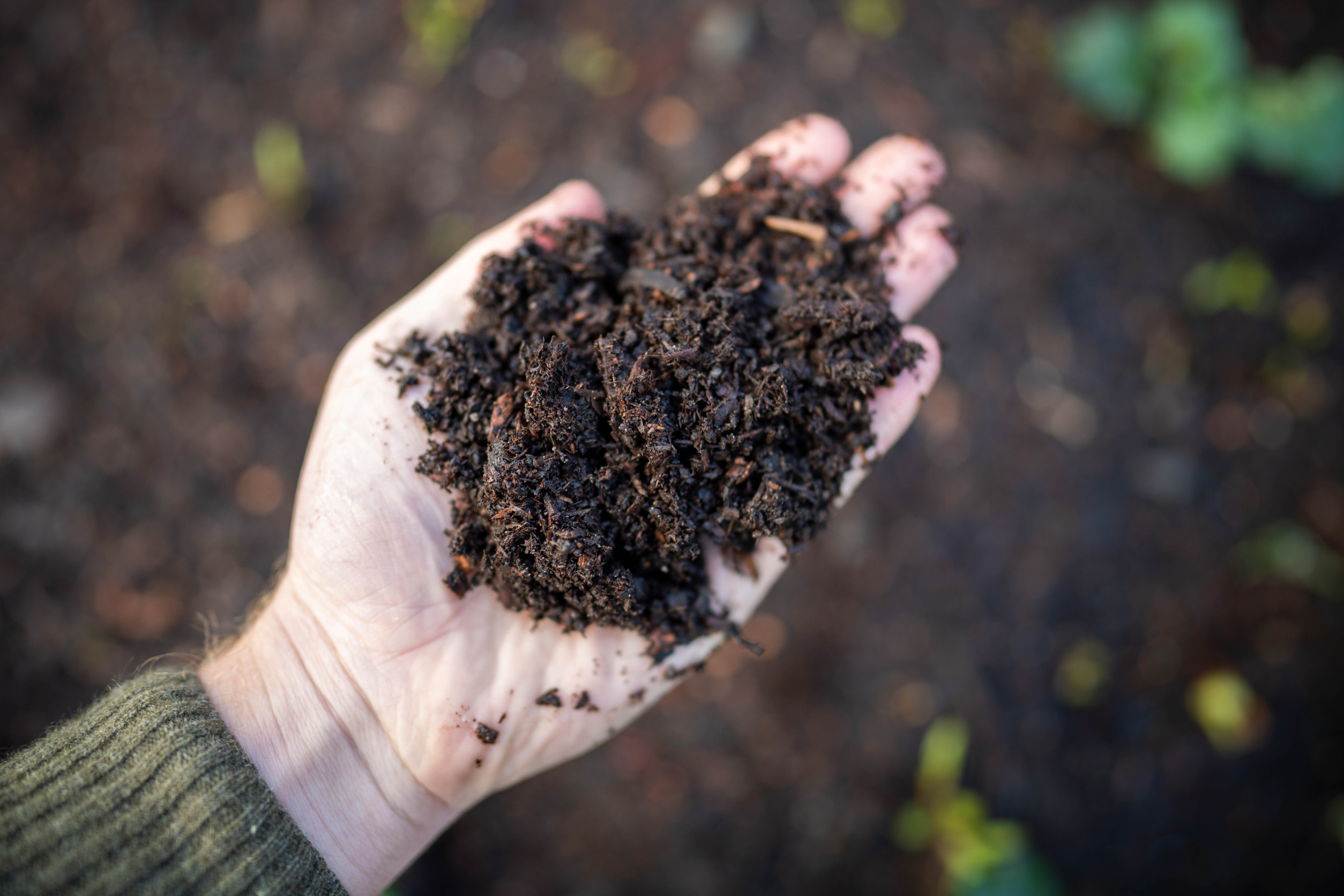
Gardeners turn to rice hulls primarily because of the impressive benefits they bring to the soil. Healthy soil is the foundation of thriving plants, and rice hulls help create just that. From improving texture to boosting drainage, they support a balanced growing environment. Here’s a closer look at how rice hulls can enhance your soil.
1. Improved Soil Structure
Rice hulls help improve soil structure. They do this by reducing compaction in clay soils and enhancing aeration in sandy soils. This creates a more hospitable environment for plant roots to grow, regardless of soil type.
2. Enhanced Drainage
They promote better drainage in heavy or poorly draining soils. This then prevents waterlogged conditions that can harm plants.
3. Moisture Retention
What’s interesting about the way that they hold water, though, is that they retain the moisture. They can hold moisture and release it gradually, helping to keep the soil consistently moist. This is particularly useful in arid or drought-prone regions. So, you don’t just get enhanced drainage but also get controlled moisture release.
4. Temperature Regulation
They act as an insulating layer, helping to regulate soil temperature. Therefore, they keep the soil cooler in hot weather. In contrast, they keep the soil warmer in cold weather. This can be especially beneficial for temperature-sensitive plants.
5. Organic Matter
Over time, they break down and add organic matter to the soil. This further improves the health of the soil.
6. pH Neutral
Rice hulls are pH-neutral. This means that they won’t significantly alter the pH of your soil. Therefore, this makes them a safe option for a wide range of plants.
7. Erosion Control
They can help prevent soil erosion. This is especially true if your garden is on a slope. They do this by stabilizing the soil and reducing runoff during heavy rainfall.
Other Benefits of Using Rice Hulls in the Garden
The soil benefits are a key reason to consider using them in your garden, but rice hulls also offer additional benefits:
8. Weed Suppression
When used as mulch, rice hulls create a barrier that suppresses weed growth. This reduces the competition for water, nutrients, and sunlight, benefiting your gardening.
9. Lightweight
They are lightweight and easy to work with, making them a convenient addition to potting mixes and garden pathways.
10. Sustainable
They are a byproduct of the rice industry, so their use in gardening contributes to recycling agricultural waste and reducing the environmental impact of rice milling. By using rice hulls, you are making use of a readily available, renewable, and biodegradable resource, contributing to sustainable gardening practices.
11. Pest and Disease Resistance
While not a direct pest control measure, they can reduce the likelihood of certain pests and diseases because they create a physical barrier that makes it more difficult for pests to access plant roots. When mixed with diatomaceous earth, rice hulls can help control garden pests very effectively.
12. Overwintering Plants
For plants that need winter protection, rice hulls can be used as mulch to insulate the root zone and protect plants from frost.
13. Vermicomposting
If you use worms for composting, then you might want to consider adding rice hulls. They offer a comfortable environment for worms and a source of food as they break down.
How to Use Rice Hulls in the Garden
If those benefits sound great to you, here are some ways to begin using them in your garden:
- Spread a layer of them around the base of outdoor plants to act as mulch.
- If you have container plants, mix them into the potting soil. You can add it to other potting mixes.
- Use for seed-starting by adding to peat moss or coconut coir.
- Add to compost; they are carbon-rich so will offset the nitrogen-rich greens in your compost.
Where to Get Rice Hulls for Your Garden
Getting rice hulls for your garden is relatively easy. Here are a few ways to obtain them:
- Purchase from Garden Centers or Nurseries: Many garden centers or nurseries sell bags of them specifically packaged for gardening. These are often labeled as “rice hull mulch” or “rice hulls for gardening.”
- Contact Local Rice Mills or Processors: In regions where rice is a significant crop, you might be able to obtain them directly from local rice mills or processing facilities. They may provide them for free or at a low cost as they are a byproduct of rice processing.
- Online Retailers: You can purchase them from online retailers and have them delivered to your location.
- Ask Local Farmers or Gardeners: If you live in an area with rice production, you might be able to connect with local farmers or gardeners who have access to them and are willing to share or sell them to you.
- Rice Hull Suppliers: Some companies specialize in supplying rice hulls for various applications, including gardening. They may sell them in bulk or offer delivery services.
- Farm Supply Stores: Some farm supply stores or agricultural co-ops may carry them or have access to agricultural-grade rice hulls that can be used in gardening.
Why Rice Hulls Deserve a Spot in Every Gardener’s Arsenal
Rice hulls may seem like just another byproduct, but in the world of gardening, they’re a quiet powerhouse. From improving soil structure to supporting moisture balance and even deterring weeds, their versatility makes them a valuable addition to nearly any garden. They’re also eco-friendly, easy to source, and suitable for a variety of planting setups—whether you’re potting houseplants or growing vegetables outdoors. Their lightweight nature and long-term benefits make them practical for gardeners of all experience levels. If you’re looking to elevate your gardening game naturally and sustainably, rice hulls are well worth the try.
Have you used rice hulls in your garden before? Share your experience—or questions—in the comments below!
Leave a Reply