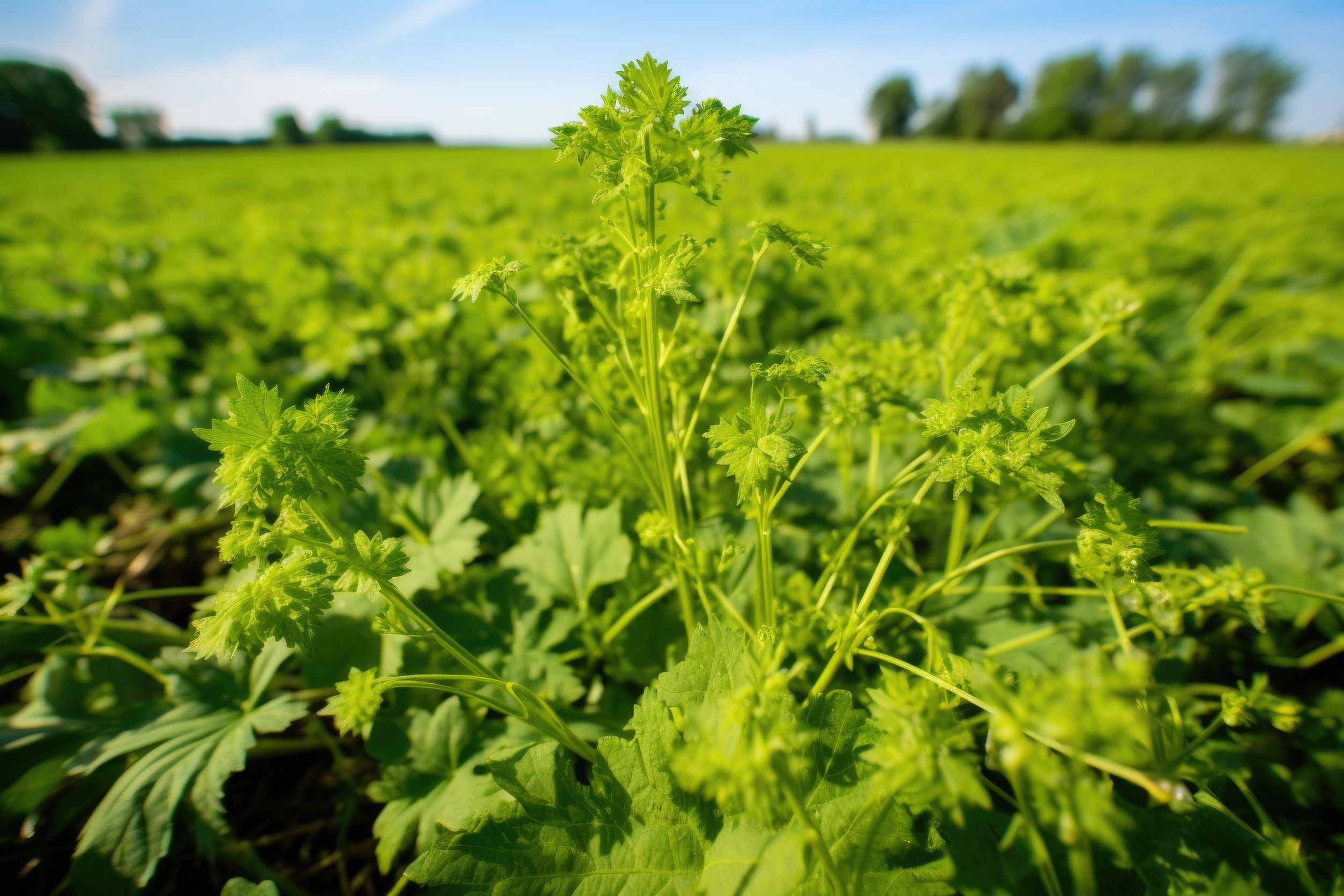
Have you heard of cover crops? While farmers usually use these during the off-season to protect soil, gardeners usually overlook this tool. Healthy soil is the backbone of every thriving garden and cover crops are the secret weapon too many gardeners ignore. These hardworking plants protect against erosion, feed the soil, suppress weeds, and boost fertility without chemicals. Whether you’re prepping for next season or letting beds rest, planting the right mix now can transform your garden’s productivity. Here are seven essential options every gardener should consider this season.
1. Clover: The Nitrogen Powerhouse
Clover is a classic cover crop that should be in your gardening arsenal. It improves soil fertility by pulling nitrogen from the air and storing it in root nodules. As it grows, it blankets soil to suppress weeds and prevent erosion. When tilled under, it releases nutrients for future crops. Plus, both white and red clover thrive in most climates. It’s like living fertilizer!
2. Winter Rye: The Weed Fighter
If weeds are your biggest headache, winter rye is your best solution. Its dense root system crowds out unwanted plants while stabilizing loose soil. Rye also adds organic matter when mowed or tilled in spring. It’s tough and resilient, making it perfect for fall planting. You’ll be more than ready to plant spring vegetables.
3. Hairy Vetch: The Soil Builder
Here’s another nitrogen-fixing legume that thrives in cooler seasons: Hairy Vetch. Its sprawling vines protect soil from winter winds while enriching it with nutrients. When spring blooms, it’s easily turned into green manure that feeds vegetables naturally. Gardeners love it for improving structure in depleted beds. It’s the perfective blend of productive and productive.
4. Buckwheat: The Fast Fixer
Need quick results before frost? Buckwheat germinates fast, often in under a week. It covers bare soil quickly and efficiently. It smothers weeds and attracts pollinators with delicate white blooms. After just a month or two, you can till it under for instant organic matter. It’s a quick solution that packs a real punch for tired soil.
5. Crimson Clover: Beauty Meets Function
Crimson clover adds a pop of color while working hard. Its deep red flowers feed bees, while roots improve soil structure and nitrogen levels. It thrives in mild climates and pairs well with cereal grains. When turned under, it decomposes quickly, leaving nutrient-rich beds. We bet you didn’t know that fertilizer can be pretty and effective!
6. Oats: The Gentle Protector
Oats are ideal for gardeners who want easy winter coverage that naturally dies back in spring. Their shallow roots prevent erosion, while decaying stalks add mulch-like benefits. They’re low-maintenance and great for beginner gardeners. Unlike rye, oats winterkill in cold regions, leaving a soft, plant-ready bed. The simplest solutions can be beneficial too.
7. Daikon Radish: The Soil Aerator
Also called tillage radish, this crop drills into compacted ground with long taproots. As they decompose, they leave channels for water and air, improving drainage. They’re perfect for heavy clay soils needing a natural till. Plus, decaying roots feed beneficial microbes.
Healthy Soil Grows Healthy Gardens
Cover crops are the unsung heroes of every productive garden. Whether you need nutrients, weed control, or erosion protection, these living tools deliver results long after harvest. By planting now, you’re ensuring next season’s success. Investing in soil is the smartest planting you’ll ever do.
Have you tried cover crops in your garden, or are you still relying on fertilizer alone? Share your experience below.
You May Also Like…
- How to Protect Tender Perennials From Sudden Frost
- Why Fall Is the Best Season to Start a Compost Pile
- How to Grow a Garden That Survives Neglect
- The Container Gardening Trick That Saves Space and Boosts Yield
- 10 Perennials to Divide Before the First Frost

Teri Monroe started her career in communications working for local government and nonprofits. Today, she is a freelance finance and lifestyle writer and small business owner. In her spare time, she loves golfing with her husband, taking her dog Milo on long walks, and playing pickleball with friends.
Leave a Reply