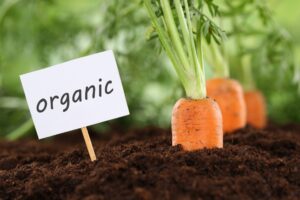
In an era where sustainability and organic living are more than just trends – they’re a lifestyle – the demand for natural garden care solutions is on the rise. For those with a green thumb, turning to organic fertilizers is a step towards nurturing your garden in harmony with nature. These fertilizers not only enrich the soil with essential nutrients, promoting healthy plant growth, but also ensure the safety of the environment, pets, and humans. Let’s delve into the top 5 organic fertilizers that can transform your garden into a flourishing oasis.
1. Compost: The Gardener’s Gold
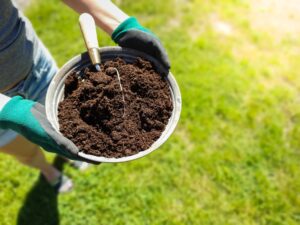
Compost, often hailed as the gardener’s gold, stands at the forefront of organic fertilizers. Made from decomposed organic matter such as leaves, kitchen scraps, and garden waste, compost is a powerhouse of nutrients. It improves soil structure, promotes moisture retention, and introduces beneficial microorganisms. Regularly adding compost to your garden beds can rejuvenate even the most tired soils, making it an indispensable ally in organic gardening.
2. Worm Castings: Nature’s Soil Conditioner
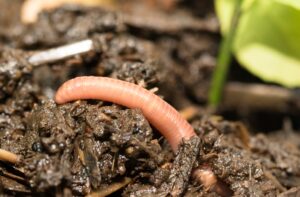
Worm castings, the end product of the decomposition process by earthworms, are an excellent organic fertilizer. These castings are rich in water-soluble nutrients, making them an immediate food source for plants. Worm castings improve soil aeration and drainage, encourage robust root growth, and can even help reduce plant diseases. Incorporating worm castings into your soil is a gentle yet effective way to boost plant health and vitality.
3. Fish Emulsion: The Ocean’s Offering

Fish emulsion, derived from the byproducts of the fish industry, is a nutrient-rich, fast-acting liquid fertilizer. It’s high in nitrogen, which is essential for leafy growth, making it particularly beneficial for greens and lawns. Although its odor can be intense at first, it dissipates quickly, leaving behind a fertile ground for plant growth. Fish emulsion also contains trace elements that support overall plant health, making it a well-rounded choice for organic gardeners.
4. Bone Meal: Phosphorus Boost for Blooms
Bone meal, made from ground animal bones, is an excellent source of phosphorus, a key element for flowering and fruiting plants. It also contains calcium and a small amount of nitrogen, making it a well-balanced fertilizer for promoting robust root development and vibrant blooms. Bone meal is particularly beneficial when planting bulbs and perennials, ensuring they get a healthy start and continue to thrive year after year.
5. Green Manure: Living Organic Fertilizers
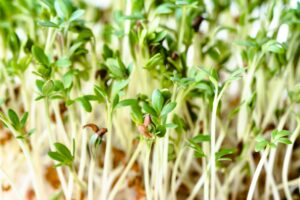
Green manure refers to cover crops such as clover, vetch, and alfalfa, planted specifically to enrich the soil. These crops are sown in off-seasons or between planting cycles and are later tilled back into the soil, where they decompose and release nutrients. Green manure crops improve soil structure, add organic matter, and can even help suppress weeds and prevent soil erosion. This living fertilizer is an excellent strategy for maintaining soil fertility and ensuring the sustainability of your garden.
Tips for Using Organic Fertilizers
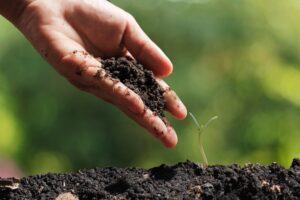
While organic fertilizers offer numerous benefits, their effective use requires some know-how. Here are some tips to maximize their potential in your garden:
- Test Your Soil: Before adding any fertilizer, it’s wise to test your soil to understand its nutrient content and pH level. This will help you choose the most appropriate organic fertilizer for your garden’s needs.
- Follow Directions: Even natural products can be harmful in excess. Use organic fertilizers according to package directions or general guidelines to avoid over-fertilization.
- Complement with Good Practices: Organic fertilizers work best in conjunction with good gardening practices such as mulching, proper watering, and crop rotation.
- Be Patient: Organic fertilizers often release nutrients slowly, so don’t expect overnight results. The benefits they bring to soil health and plant vitality are long-lasting.
Why You Should Choose to Garden Naturally with Organic Fertilizers
Embracing organic fertilizers is more than just a gardening choice; it’s a commitment to nurturing the earth that sustains us. By choosing natural over synthetic, gardeners can play a crucial role in promoting ecological balance and biodiversity. Whether you’re a seasoned green thumb or a budding gardener, integrating these top 5 organic fertilizers into your garden care routine can lead to a healthier, more vibrant garden that thrives in harmony with nature. Remember, the best gardens are those tended with care, patience, and a deep respect for the natural world.
Read More:
Should I Use Enviro Ice on My Plants?
2 Homemade Fertilizers You Can Sell

Catherine is a tech-savvy writer who has focused on the personal finance space for more than eight years. She has a Bachelor’s in Information Technology and enjoys showcasing how tech can simplify everyday personal finance tasks like budgeting, spending tracking, and planning for the future. Additionally, she’s explored the ins and outs of the world of side hustles and loves to share what she’s learned along the way. When she’s not working, you can find her relaxing at home in the Pacific Northwest with her two cats or enjoying a cup of coffee at her neighborhood cafe.
Leave a Reply