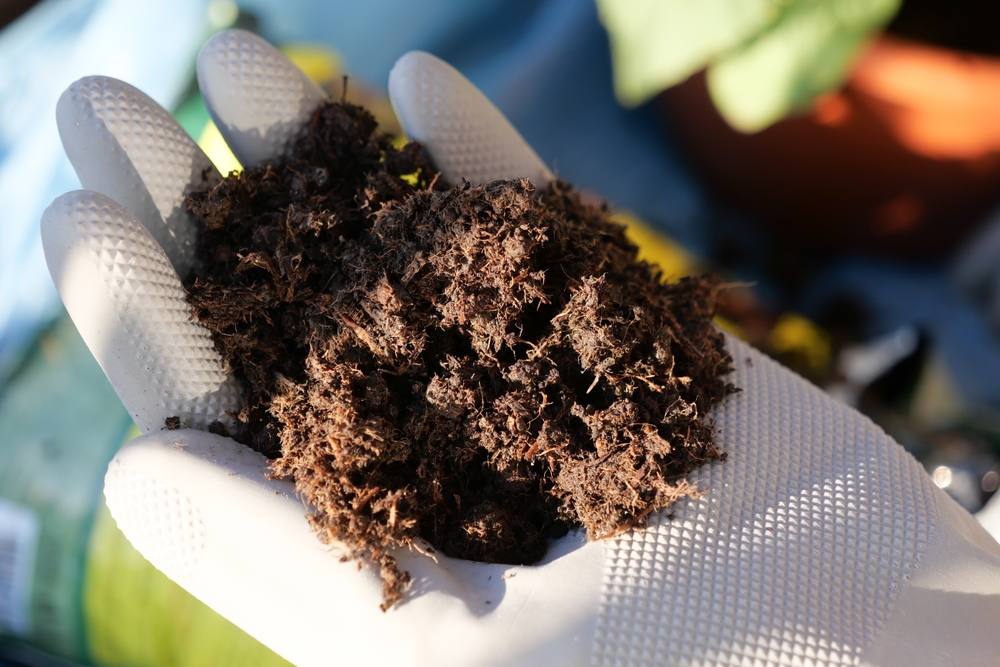
Winter composting can feel like a free pass to toss anything into the pile and “let it sort itself out later.” The problem is that cold slows decomposition, which means the wrong scraps don’t break down—they just sit there and create pests, smells, and springtime headaches. If you want finished compost sooner (and less mess), winter is the season to be pickier. A few materials that behave fine in July can turn into a frozen buffet for rodents in January. Use this list to keep your pile clean, active, and low-drama until temperatures warm up.
1. Don’t Compost in Winter: Meat, Fish, And Dairy
Meat, fish scraps, bones, and dairy products are the fastest way to invite raccoons, rats, and neighborhood cats to your bin. In summer, heat and frequent turning can reduce odors and break these down faster, but cold weather stalls that process. When the pile stays cool, these scraps sit near the surface longer and broadcast “free dinner” to anything with a nose. Even a tight-fitting lid won’t fix the smell if the pile can’t digest the material quickly. Keep these out and use a sealed trash container or a municipal organics program if you have one.
2. Greasy, Oily, Or Fried Foods
Grease coats other materials and blocks airflow, which turns parts of your pile slimy and anaerobic. In winter, that matters more because a cold pile already struggles to stay oxygen-rich. Oils also slow microbial activity, so the pile doesn’t “bounce back” the way it might in warm months. If you’ve ever smelled a sour, rancid compost corner, cooked oils are often the culprit. Save these scraps for spring, or scrape plates clean and compost only the non-greasy bits.
3. Pet Waste And Used Cat Litter
Dog waste, cat waste, and most used cat litter can carry pathogens that require sustained high heat to neutralize. That kind of consistent heat is hard to maintain in a backyard pile when temperatures drop and the center freezes. Even if the pile looks active, cold edges stay unsafe and can spread contamination when you turn the compost. Some “compostable” litters still clump and break down painfully slowly in winter. Keep pet waste in the trash or use a dedicated pet-waste system that never touches garden compost.
4. Diseased Plants And Moldy Garden Debris
Plants with visible disease, blight, mildew, or rot can reintroduce problems to your garden when you use the finished compost. Summer heat sometimes helps, but winter piles rarely get hot enough, long enough, to reliably kill pathogens. That means infected leaves can survive the season and show up again when you spread compost in spring. If you’re unsure whether a plant was sick, treat it like it was and don’t risk it. Bag it for disposal or burn it only where legal and safe.
5. Weeds With Seeds Or Aggressive Roots
Weed seeds and persistent roots (think bindweed, bermuda grass, and other spreaders) love a compost pile that can’t get hot. In winter, the pile’s lower temperatures give them a better chance of surviving intact. Then you spread compost and accidentally plant next year’s weed problem all over your beds. If you must compost weeds, only add seed-free tops and bury them deep in a hot center that you can keep active. When in doubt, keep seedy weeds out until you can manage a reliably hot pile.
6. Big, Woody, Or Extra-Tough Scraps
Thick branches, corn cobs, woody stems, and bulky hedge trimmings break down slowly even in ideal conditions. When you compost in winter, those tough pieces can sit for months and block the pile from compacting evenly. They also create air gaps that cool the pile down instead of insulating it like shredded browns do. If you want to include woody material, chop it small and mix it with finer carbon like dry leaves or shredded cardboard. Otherwise, stockpile it and add it in spring when microbes can work faster.
7. “Compostable” Plastics And Coated Takeout Items
Compostable forks, cups, and many takeout containers often require high, steady heat to break down, which backyard piles rarely reach in cold weather. In winter, these items can stay intact, get brittle, and end up as annoying fragments when you turn the pile later. Some paper products also hide plastic linings, and those don’t belong in home compost at any temperature. If you can’t tear it easily or it feels waxy, assume it won’t behave well in a winter bin. Keep these out unless you know your local compost facility accepts them and processes at higher heat.
Keep Your Pile Clean Now So Spring Is Easy
Winter composting works best when you focus on “safe basics” that break down without creating odors or attracting animals. Lean on fruit and veggie scraps, coffee grounds, and plenty of dry browns, and keep the pile covered and insulated if possible. When you compost in winter, the goal isn’t speed—it’s avoiding problems that stall the pile for months. If something seems risky, store it in a sealed bucket and wait until warmer weather returns. Your future self will thank you when the pile turns, smells earthy, and finishes faster in spring.
What’s the one compost ingredient you used to toss in without thinking—until winter taught you a lesson?
What to Read Next…
Why You Shouldn’t Compost These 3 Things—Even If TikTok Says It’s Fine
7 Compost Layering Mistakes That Stop Heat Production
10 Foods You Can Compost in Winter Without Making a Smell
Why Garden Composting in Winter Works Better Than You Think
12 Ways to Build Soil Over Winter Using Leaves, Compost & More

Catherine is a tech-savvy writer who has focused on the personal finance space for more than eight years. She has a Bachelor’s in Information Technology and enjoys showcasing how tech can simplify everyday personal finance tasks like budgeting, spending tracking, and planning for the future. Additionally, she’s explored the ins and outs of the world of side hustles and loves to share what she’s learned along the way. When she’s not working, you can find her relaxing at home in the Pacific Northwest with her two cats or enjoying a cup of coffee at her neighborhood cafe.
Leave a Reply