Bad soil is one of the most frustrating problems a gardener can face. You water faithfully, plant lovingly, and hope for miracles—only to end up with stunted plants, sad leaves, and dirt that looks more like construction debris than garden gold. But nature already built a solution, and it doesn’t come in a plastic bag from a garden center. Some plants don’t just survive in poor soil—they actually fix it.
These green heroes improve structure, pull nutrients from deep underground, add organic matter, and rebuild soil life from the ground up. They’re affordable, accessible, and shockingly effective.
1. Clover — The Tiny Plant With Superpowers
Clover might look humble, but it’s one of the most powerful soil-repair plants on the planet. It pulls nitrogen from the air and stores it in the soil, creating natural fertilizer without a single chemical input. That nitrogen becomes food for future plants, improving growth and color across your entire garden.
Clover also protects soil from erosion, keeps moisture locked in, and prevents weeds from taking over. As a bonus, it attracts pollinators and looks soft, lush, and green while it works its magic.
2. Comfrey — The Nutrient Mining Machine
Comfrey is basically a living nutrient pump. Its deep roots pull minerals like potassium, calcium, and phosphorus up from deep soil layers where other plants can’t reach. Those nutrients end up stored in its massive leaves, which can be chopped and dropped back onto the soil as mulch or compost.
Over time, this builds rich, fertile topsoil naturally. It also improves soil structure and water retention, making hard, compacted soil more workable and productive.
3. Daikon Radish — Nature’s Soil Drill
Daikon radish doesn’t just grow in bad soil—it physically breaks it open. Its thick, powerful taproot bores through compacted layers, improving drainage and airflow in the ground. When the radish decomposes, it leaves behind channels that allow water, microbes, and roots to move freely.
This makes it perfect for hard clay soils and overworked garden beds. It’s like hiring a construction crew for your soil, except it’s edible and costs almost nothing.
4. Sunflowers — The Heavy Lifters
Sunflowers don’t just brighten your yard—they rehabilitate it. Their roots break up dense soil, while their fast growth produces tons of organic matter. They also help pull toxins and heavy metals out of the ground, a process known as phytoremediation.
When the plants die back and decompose, they leave behind healthier soil that’s richer and more balanced. Plus, they attract pollinators, birds, and beneficial insects while doing the dirty work underground.
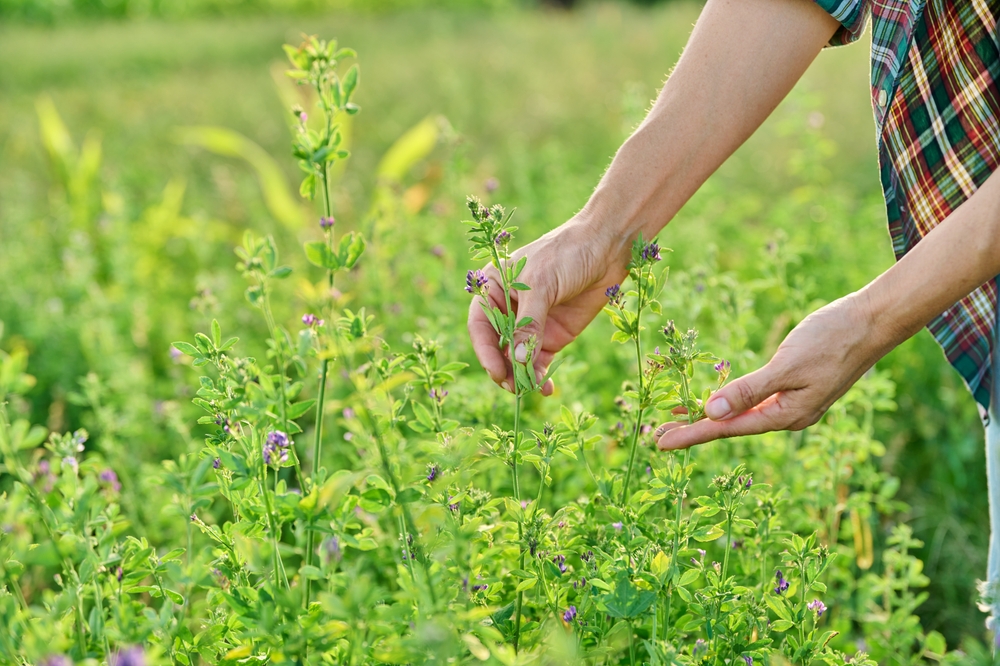
5. Alfalfa — The Soil Builder
Alfalfa is a long-term soil investment. It has deep roots that loosen compacted ground, add nitrogen naturally, and improve soil structure over time. Its roots create air pockets that help beneficial microbes thrive, which leads to better nutrient cycling.
Alfalfa also increases organic matter, improves moisture retention, and boosts overall fertility. It’s often used in regenerative farming for a reason—it doesn’t just grow in bad soil, it transforms it.
6. Buckwheat — The Fast Fix
Buckwheat is the impatient gardener’s dream plant. It grows incredibly fast, improves soil structure quickly, and makes phosphorus more available for other plants. Its shallow roots loosen the topsoil while its dense growth suppresses weeds.
Buckwheat also attracts pollinators and beneficial insects, turning your struggling soil into a living ecosystem. If your soil needs help now, not next year, this plant shows up ready to work.
7. Lupine — The Colorful Soil Healer
Lupine is beautiful, but it’s also a nitrogen-fixing powerhouse. Like clover, it pulls nitrogen from the air and stores it in the soil, improving fertility naturally. It thrives in poor, sandy, or depleted soils and helps rebuild them over time.
Lupine also supports pollinators and adds organic matter when it dies back. It’s proof that soil repair doesn’t have to look boring or utilitarian—it can be stunning.
8. Vetch — The Living Fertilizer
Vetch is one of the best natural fertilizers you can grow. It fixes nitrogen, improves soil texture, prevents erosion, and builds organic matter fast. Its vine-like growth protects bare soil from sun damage and water runoff.
When turned back into the ground, it becomes nutrient-rich green manure that feeds future crops. It’s especially powerful for gardens that feel “dead” and lifeless, helping restore biological activity and soil health.
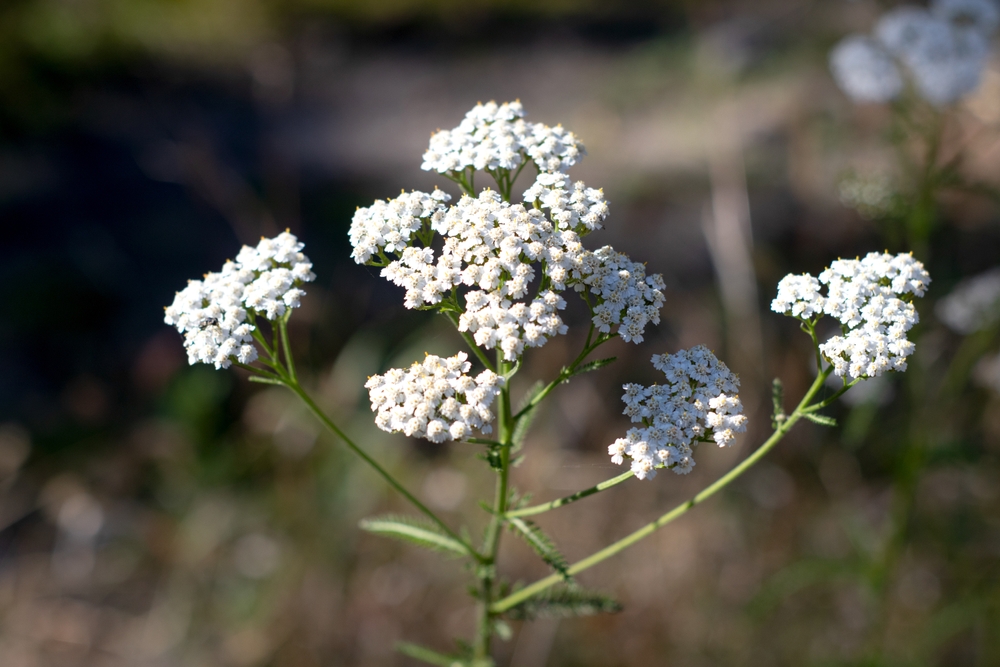
9. Yarrow — The Underground Architect
Yarrow works quietly but effectively. Its roots improve soil structure and drainage while attracting beneficial microbes and insects. It pulls nutrients from deeper soil layers and makes them more accessible to surrounding plants.
Yarrow also improves soil resilience, helping it handle drought, heat, and stress better. It’s a low-maintenance plant that quietly strengthens your entire garden ecosystem from below.
10. Chicory — The Deep Soil Repair Specialist
Chicory has an incredibly deep taproot that breaks through compacted soil and pulls up minerals from deep layers. This improves soil structure, drainage, and fertility all at once. When the plant decomposes, those minerals become available to other plants.
Chicory is especially helpful in poor, rocky, or depleted soils where nutrients are locked too deep for most roots to reach.
Soil Doesn’t Need Saving — It Needs Strategy
Bad soil isn’t broken, it’s just misunderstood. You don’t need expensive fertilizers, chemical treatments, or endless soil amendments to fix it. Sometimes, the smartest solution is simply planting the right things and letting nature do what it does best. These ten plants don’t just grow—they rebuild, regenerate, and restore the soil beneath them, turning tired ground into living earth again.
Which of these soil-fixing plants would you try first in your yard, and what kind of soil problems are you trying to solve? Drop your thoughts in the comments and let’s compare notes.
You May Also Like…
Gardening Experts Issue a Warning About Soil Problems Spreading Fast in 2026
Gardeners in the Carolinas Warned: Soil Mix Is Testing Positive for Lead
6 Vegetables That Don’t Benefit From Expensive Soil Additives
6 Soil Additives That Could Backfire in Cold Weather—Experts Warn to Skip These in January
8 Ways to Prepare Garden Beds Without Buying New Soil

Brandon Marcus is a staff writer for FrugalGardening.com at District Media, Inc., where he delivers practical gardening advice with a relatable, no-nonsense style. An avid amateur gardener, he holds a BA degree and with over ten years of professional writing experience, he is also an award-winning published author whose first book, Questions For Deep Thinkers, was released by Adams Media. His work has appeared in major publications including Fandom.com, CHUD.com, TheColdWire.com, and Fansided.com.
Leave a Reply