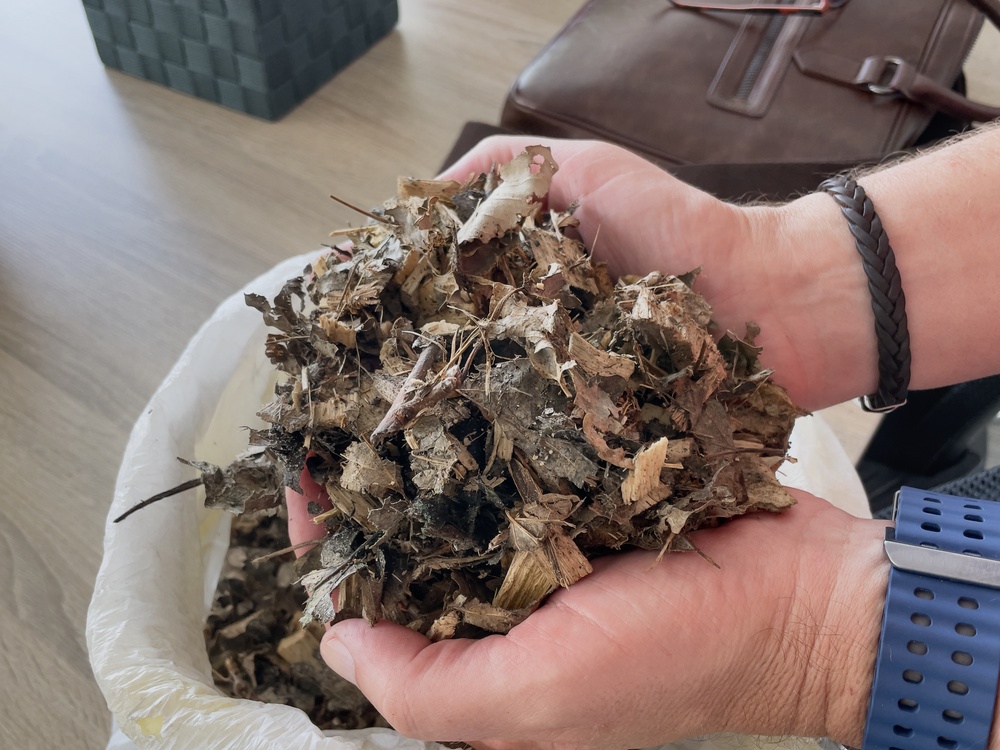
Those piles of fallen leaves covering your yard could become valuable compost, but there’s one simple trick that can make them decompose much faster. Instead of tossing whole leaves into your compost bin and waiting months for them to break down, running them through your lawn mower first can make a noticeable difference.
The reason comes down to how microorganisms break down organic material.
According to the Environmental Protection Agency, reducing the size of compost ingredients increases the surface area available for decomposition, allowing microorganisms to work more efficiently.
For gardeners hoping to create free compost before spring planting, that small change can save time and improve the quality of their compost pile.
Here’s why shredded leaves for compost are often a better choice than whole leaves and how to use them effectively.
Smaller Leaf Pieces Give Microorganisms More Room to Work
The biggest advantage of shredded leaves is that smaller pieces expose more surface area to the microorganisms responsible for decomposition. Bacteria and fungi break down organic matter by acting on exposed surfaces, so a large intact leaf offers fewer accessible edges than several smaller pieces. When you run fallen leaves through a mower, you’re essentially creating more places where decomposition can begin. This doesn’t mean shredded leaves instantly become compost, but it can help the process move along more efficiently when moisture, oxygen, and nitrogen are available. For gardeners working with large amounts of fall yard waste, shredding leaves before composting is one of the simplest ways to encourage faster breakdown.
Whole Leaves Can Form Thick, Airless Layers
One common problem with composting whole leaves is that they can settle into dense, matted layers after getting wet. When this happens, oxygen has difficulty moving through the pile, creating conditions that slow normal aerobic decomposition. Shredded leaves are generally easier to mix with grass clippings, vegetable scraps, and other compost ingredients, reducing the likelihood of thick layers forming. However, extremely fine leaf particles can also compact when saturated, so shredding doesn’t eliminate the need for proper airflow. Mixing different materials and occasionally turning the pile helps maintain the loose structure that composting microorganisms need.
Shredded Leaves Mix Better With Kitchen Scraps
Fallen leaves are considered carbon-rich brown materials, while fruit and vegetable scraps provide nitrogen-rich green material. A practical starting point for home composting is approximately two to three parts browns for every one part greens by volume. Shredded leaves make that balance easier because they can be distributed throughout a pile instead of remaining in large, separate layers. For example, adding two buckets of shredded leaves to one bucket of vegetable scraps creates a more evenly mixed starting combination than simply dumping whole leaves on top. This helps prevent wet pockets of food waste that can attract pests or produce unpleasant odors.
A Lawn Mower Can Do the Job Without Special Equipment
You don’t need an expensive leaf shredder to prepare shredded leaves for compost because an ordinary lawn mower can handle many types of dry fallen leaves. Spread the leaves in a thin layer across your lawn and make one or two passes with a mulching mower or a mower equipped with a collection bag. If the pieces remain relatively large, another pass can reduce their size further without requiring additional equipment. Avoid mowing wet piles of leaves because they can clog equipment, create slippery conditions, and form clumps that are harder to handle. Before starting, remove sticks, stones, and other debris, and follow the mower manufacturer’s safety instructions.
Different Tree Leaves Break Down at Different Speeds
Not all leaves decompose at the same rate, even when they’ve been shredded into similar-sized pieces. Thin leaves from trees such as maple and birch often break down more readily than tougher leaves with waxy surfaces or higher concentrations of decay-resistant compounds. Oak leaves, for example, may decompose more slowly because of their tougher structure and chemical composition, although they remain useful compost ingredients. Pine needles also tend to break down slowly and are generally better used in moderation when the goal is producing finished compost quickly. Mixing several types of shredded leaves for compost can help create a more varied pile while preventing large concentrations of particularly slow-decomposing material.
Moisture Still Matters More Than Many Gardeners Realize
Even finely shredded leaves won’t decompose efficiently if your compost pile becomes excessively dry. Microorganisms require moisture to remain active, which is why compost should generally feel similar to a wrung-out sponge. If you squeeze a handful of material and it feels dusty or brittle, your pile probably needs additional water. On the other hand, soaking-wet leaves can restrict oxygen movement and encourage unpleasant odors, especially when the pile becomes compacted. Add water gradually while mixing the ingredients, and incorporate dry brown materials if the pile begins to feel waterlogged.
Shredded Leaves Can Help You Save Money on Garden Soil
One overlooked benefit of using shredded leaves for compost is that they can reduce how much bagged soil amendment you need to purchase. As leaves decompose, they contribute organic matter that can improve soil structure, moisture retention, and the activity of beneficial soil organisms. Gardeners who routinely compost their fall leaves may eventually have a reliable supply of homemade material for vegetable beds, flower gardens, and landscape plantings. Although homemade compost doesn’t replace every fertilizer requirement, it can improve growing conditions and reduce dependence on purchased soil amendments. Instead of paying to haul leaves away and buying compost later, you’re recycling an existing resource into something useful.
You Don’t Have to Shred Every Leaf in Your Yard
While shredded leaves for compost can speed decomposition, leaving some whole leaves in appropriate garden areas provides other benefits. The Xerces Society encourages homeowners to retain fallen leaves in suitable locations because leaf litter provides overwintering habitat for beneficial insects and other wildlife. Many moths, butterflies, and other invertebrates depend on leaf litter or the soil beneath it during vulnerable stages of their life cycles. Rather than shredding every leaf, consider collecting leaves from lawns and walkways while leaving a natural layer beneath trees, shrubs, and established perennial beds. This approach allows you to produce compost while preserving valuable backyard habitat.
Turn This Year’s Fallen Leaves Into Next Year’s Garden Resource
The biggest reason to use shredded leaves for compost is simple: smaller pieces generally break down faster because microorganisms can access more of the material. Shredding also makes leaves easier to mix with kitchen scraps, helps prevent thick layers from forming, and allows you to manage larger amounts of yard waste more efficiently. However, good compost still requires the right balance of carbon and nitrogen, adequate moisture, and enough oxygen to support decomposition. With a lawn mower, a little patience, and a few basic composting habits, you can transform autumn leaves into a valuable soil amendment without spending money on special equipment.
Do you shred your leaves before composting, or do you prefer letting whole leaves break down naturally in your garden? Share your experience in the comments.
What to Read Next
Stop Paying to Haul Away Your Leaves — Your Garden May Need Them
How to Harvest Basil Before Cold Nights Ruin the Leaves
Don’t Bag Those Fall Leaves — They Could Replace 3 Things You Pay for in the Garden
Leave a Reply