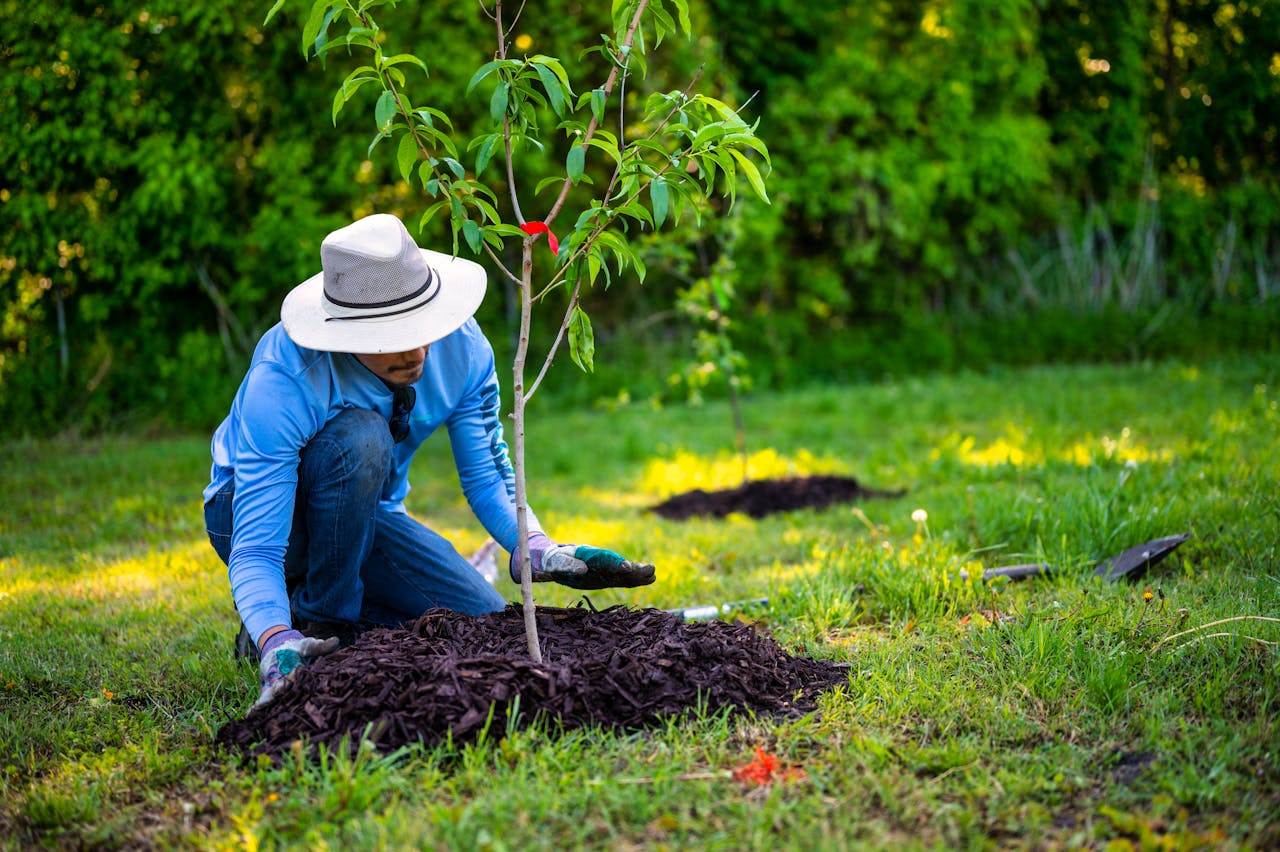
The bags look harmless stacked near the garden center entrance. They promise moisture retention, weed control, and a polished finish around shrubs and trees.
Yet that budget-friendly mulch many homeowners toss into their carts can quietly shift soil chemistry in ways that reshape the entire garden. And the changes it makes can’t be reversed quickly. This is a key reason why really understanding mulch and choosing the right kind is key.
The Mulch That Changes More Than Your Landscape
Pine bark mulch dominates store shelves for a reason. It costs less than many hardwood options, it smells pleasant, and it gives garden beds a rich, dark color that makes plants pop. Landscapers often recommend it because it spreads easily and resists washing away during heavy rain.
However, pine bark carries a natural acidity that influences soil over time. As microorganisms break it down, they release organic acids into the surrounding soil. When gardeners pile it thickly year after year, that acidity can gradually nudge soil pH downward.
Most ornamental plants tolerate slightly acidic soil without protest, and some actually prefer it. The issue arises when gardeners apply pine bark repeatedly without testing their soil or considering what grows underneath. Over time, that affordable mulch can alter the growing environment in subtle but meaningful ways.
Understanding Soil pH Without the Science Headache
Soil pH measures how acidic or alkaline soil is on a scale from 0 to 14. A pH of 7 counts as neutral, numbers below 7 indicate acidity, and numbers above 7 signal alkalinity. Most vegetables and common landscape plants thrive in soil that falls between 6.0 and 7.0, which gives them access to a wide range of nutrients.
When soil becomes more acidic, certain nutrients such as iron and manganese become more available, while others like calcium and magnesium may become less accessible. Plants that crave neutral soil can struggle in lower pH conditions, showing yellowing leaves, slow growth, or poor yields. Many gardeners misread those symptoms as fertilizer deficiencies when the real culprit lies in shifting soil chemistry.
Regular applications of acidic mulch can push soil pH downward, especially in regions where rainfall already leaches minerals from the ground. Pine bark does not instantly transform soil into an acidic swamp, but repeated layers over several seasons can create a noticeable shift. Soil testing offers the only reliable way to track that change, and simple test kits or local extension services make that process straightforward.
When Acid-Loving Plants Thrive and Others Sulk
Not every plant resents acidic soil. Blueberries, azaleas, rhododendrons, and camellias flourish when soil pH dips lower. Gardeners who grow these plants often add pine bark or other acidic amendments intentionally to create ideal conditions. For those landscapes, pine bark mulch can support plant health rather than undermine it.
Trouble starts when gardeners use the same mulch across the entire yard without matching it to plant needs. Vegetables such as lettuce, beans, and brassicas prefer soil that leans closer to neutral. Lawns also struggle when soil grows too acidic, often thinning out or developing patchy growth.
If shrubs look vibrant while nearby vegetables appear stunted, soil pH may explain the contrast. A one-size-fits-all approach rarely works in gardening. Each bed and plant group benefits from thoughtful planning, especially when mulch influences long-term soil chemistry.
The Thickness Trap That Makes It Worse
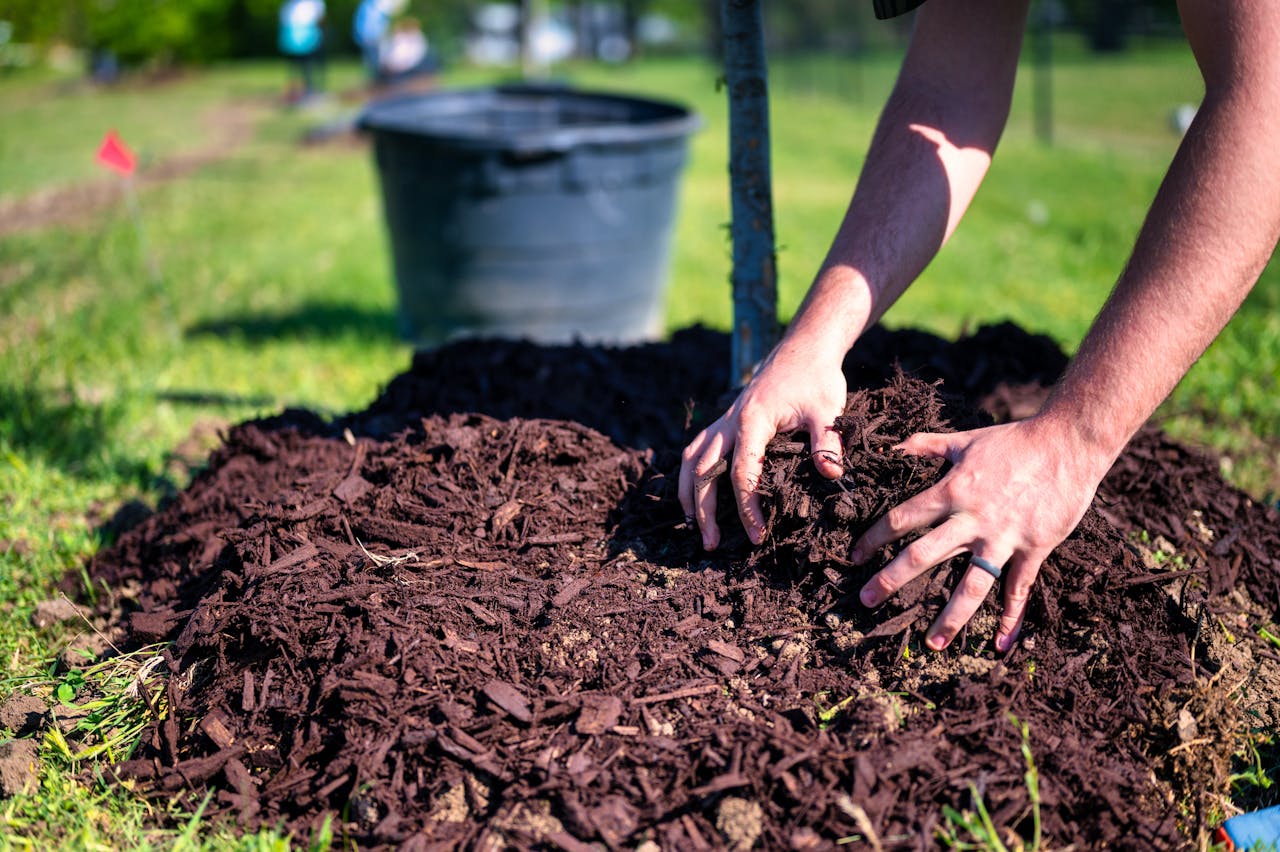
Mulch depth matters just as much as mulch type. Many homeowners heap pine bark three or four inches deep in an effort to block weeds and lock in moisture. While that thickness can suppress weeds effectively, it also increases the volume of acidic material breaking down directly on top of the soil.
Microbial activity accelerates decomposition, especially in warm and moist conditions. As microbes digest the bark, they produce byproducts that seep into the soil below. A thinner layer of about two to three inches still controls weeds and conserves moisture without overwhelming the soil with excess organic acids.
Gardeners also benefit from pulling mulch slightly away from plant stems and tree trunks. That simple adjustment prevents moisture buildup against bark and reduces the risk of rot. Smart placement and moderate depth make a significant difference in how mulch interacts with soil over time.
How to Use Pine Bark Without Sabotaging Your Soil
Pine bark does not deserve a total ban from the garden. It offers real benefits, including moisture retention, temperature regulation, and improved soil structure as it breaks down. The key lies in balance and awareness rather than avoidance.
Start with a soil test before adding new mulch each season. Local cooperative extension offices often provide affordable testing services and detailed recommendations. If soil already trends acidic, consider rotating with a more neutral mulch such as composted hardwood or leaf mold.
Gardeners can also apply lime to raise soil pH when tests show excessive acidity. Agricultural lime supplies calcium while gently nudging pH upward over time. Apply it according to soil test recommendations rather than guessing, because overcorrection creates its own set of problems.
Mixing compost into the top few inches of soil can buffer pH swings and improve overall fertility. Compost supports diverse microbial life, which helps stabilize soil conditions. Instead of layering pine bark endlessly on the surface, combine it with thoughtful soil management practices that support plant health.
Climate, Rainfall, and Regional Differences Matter
Climate plays a major role in how mulch affects soil. Regions with heavy rainfall often experience natural acidification as rainwater leaches basic minerals from the soil. In those areas, pine bark mulch can amplify an existing trend toward lower pH.
Drier climates may see slower changes because less water moves acids into the root zone. Still, decomposition continues, and soil shifts can occur gradually over several years. Gardeners who move from one region to another sometimes carry the same mulching habits without realizing that local conditions demand a different strategy.
Observing plant performance and testing soil regularly keeps surprises to a minimum. Gardens respond to cumulative actions, not just one season’s choices. A small adjustment today can prevent a frustrating overhaul later.
Rethinking “Cheap” in the Long Run
Budget-friendly products often win immediate approval, especially when they deliver visible results quickly. Pine bark mulch certainly improves the appearance of garden beds and offers functional benefits. Yet true value includes long-term soil health, not just short-term savings.
When soil pH drifts outside a plant’s comfort zone, gardeners may spend more on fertilizers, soil amendments, and replacement plants. Those costs can quietly surpass the money saved on mulch. A thoughtful approach that matches mulch type to plant needs protects both the garden and the wallet.
Gardeners who view mulch as part of a broader soil management plan make better decisions. Testing soil, adjusting depth, rotating materials, and choosing plant-appropriate mulch transforms a simple landscaping choice into a strategic move. Pine bark can remain part of the toolkit, but it should never operate on autopilot.
The Truth Beneath the Surface
Pine bark mulch does more than tidy up flower beds. It influences soil chemistry, plant nutrition, and long-term garden performance. Used wisely, it supports acid-loving plants and enhances soil structure. Used carelessly and repeatedly without testing, it can push soil into acidity levels that limit growth for many common plants.
A soil test costs far less than replacing a struggling vegetable patch or lawn. Moderation in depth and rotation with other organic materials keeps soil balanced and productive. Gardens reward attention and punish assumptions, especially when it comes to soil health.
What kind of mulch has worked best in your garden, and have you ever tested your soil to see what lies beneath the surface? We should discuss this in the comments.
You May Also Like…
Dog Owners Shocked After Learning Their Mulch May Be Toxic
The Mulch That’s Causing Seizures in Cats — And It’s Still Being Sold in Stores
The Mulch That’s Causing Mold Problems in Southern Homes
11 Ways to Stop Mice From Nesting in Mulch
Why Gardeners in the Carolinas Are Skipping Mulch This Winter—And What Experts Say to Do Instead

Brandon Marcus is a staff writer for FrugalGardening.com at District Media, Inc., where he delivers practical gardening advice with a relatable, no-nonsense style. An avid amateur gardener, he holds a BA degree and with over ten years of professional writing experience, he is also an award-winning published author whose first book, Questions For Deep Thinkers, was released by Adams Media. His work has appeared in major publications including Fandom.com, CHUD.com, TheColdWire.com, and Fansided.com.
Leave a Reply