Mold and fungus do not wait on the sidelines. They move fast, spread faster, and attack when plants sit at their most vulnerable stage. Anyone serious about healthy seedlings, thriving houseplants, or productive garden beds needs to understand how these organisms work and how to shut them down early.
Gardeners often focus on sunlight, fertilizer, and watering schedules, yet overlook the quiet conditions that invite fungal problems. Prevention demands attention, not panic. With the right approach, mold never gains a foothold, and new growth pushes forward without interruption.
Understand the Enemy Before It Shows Up
Mold and fungus thrive in moisture, stagnant air, and organic material. They reproduce through microscopic spores that float through air and settle wherever conditions feel right. Soil that stays soggy, leaves that remain wet overnight, and crowded seedlings create a perfect landing zone.
Damping-off disease offers one of the clearest examples of fungal damage to new growth. This disease attacks seedlings at the stem line and causes them to collapse suddenly. Healthy sprouts can fall over within hours once infection sets in. Powdery mildew, another common fungal problem, forms a white coating on leaves and blocks sunlight from reaching plant tissue.
Understanding these threats changes the approach entirely. Instead of reacting to visible mold, gardeners can adjust environmental factors early. When moisture levels, airflow, and soil conditions stay balanced, spores lose their advantage and struggle to establish colonies.
Water with Intention, Not Habit
Overwatering ranks as the fastest route to fungal trouble. Roots require oxygen as much as they require water. Saturated soil suffocates roots, weakens plant defenses, and invites fungal organisms to multiply. Rather than watering on a fixed calendar, check soil moisture with a finger or moisture meter and water only when the top layer feels dry.
Morning watering offers a powerful advantage. Early sunlight helps leaves dry quickly, reducing the window that fungi need to germinate. Evening watering leaves foliage damp overnight, which encourages disease development. Direct water toward the soil rather than spraying leaves, especially when caring for seedlings or compact plants.
Container plants demand even closer attention. Pots without proper drainage trap water at the bottom, turning the root zone into a breeding ground for mold. Always use containers with drainage holes and well-draining potting mix. When water flows freely through soil and excess drains away, roots stay healthy and fungi struggle to thrive.
Airflow Is Not Optional
Plants need space. Crowded trays of seedlings might look efficient, but tight spacing restricts airflow and creates pockets of humid air. Fungal spores love stagnant air. Good circulation disrupts that environment and helps leaves dry quickly after watering.
Indoors, small fans can make a major difference. Gentle air movement strengthens stems and discourages fungal growth. Greenhouses benefit from open vents or exhaust fans that regulate humidity levels. Outdoors, strategic spacing between plants allows natural breezes to do the work.
Pruning also supports airflow. Remove lower leaves that touch soil and trim dense growth that blocks air movement through the canopy. This practice reduces moisture buildup and removes potential entry points for pathogens. Healthy plants grow vigorously when air circulates freely around them.
Choose Clean Soil and Tools Every Time
Soil carries life, both beneficial and harmful. Reusing old potting mix without sterilizing it can introduce lingering fungal spores to new seedlings. Fresh, high-quality potting mix provides a safer start. For gardeners who prefer reusing soil, baking it in an oven at around 180 degrees Fahrenheit for 30 minutes can reduce pathogens, though this method requires caution and proper ventilation.
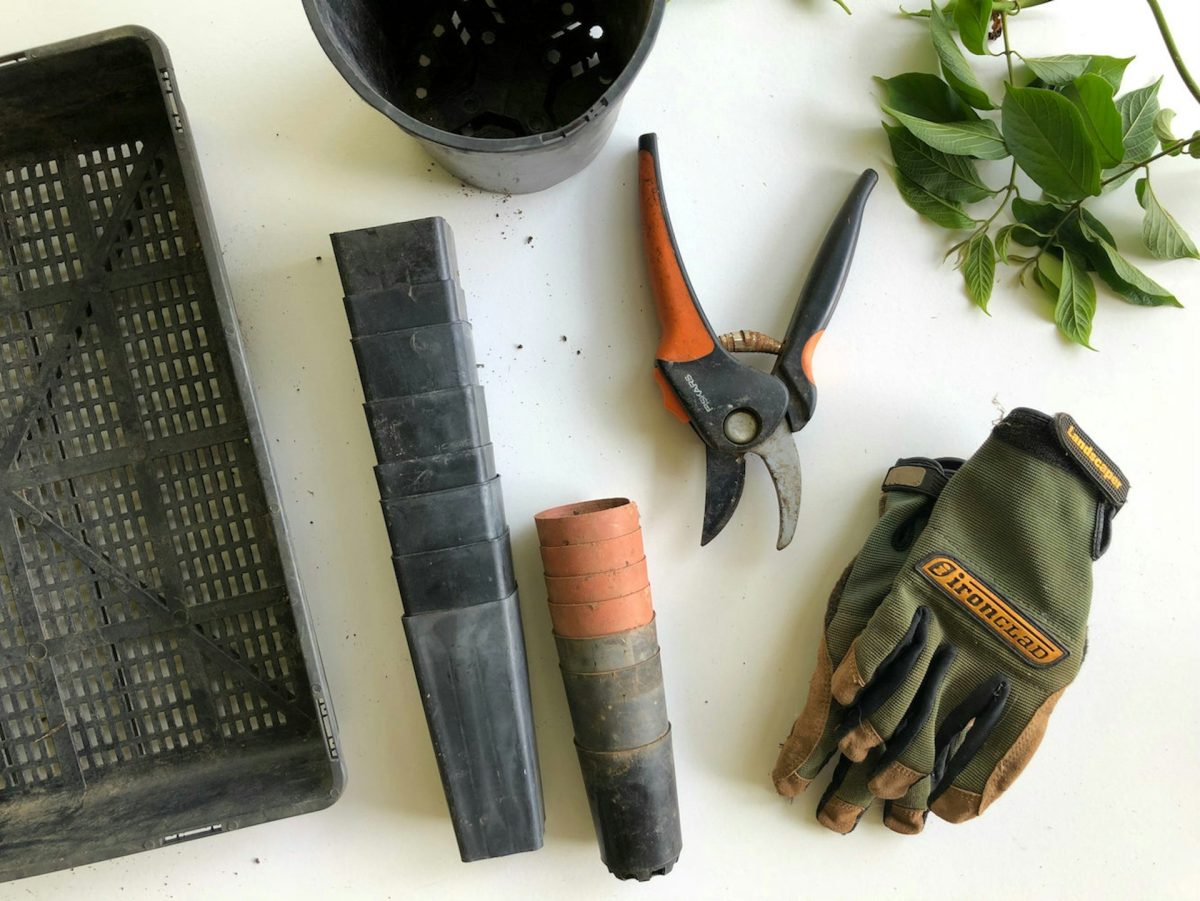
Garden tools deserve equal attention. Dirty pruners or trowels can transfer fungal spores from one plant to another. Clean tools with rubbing alcohol or a diluted bleach solution between uses, especially after trimming diseased material. This simple habit cuts off one of the fastest pathways for infection.
Seed trays and pots should receive a thorough wash before planting begins. Mold often clings to leftover organic residue on container surfaces. Clean surfaces eliminate that hidden source of contamination and give new growth a clean slate.
Control Humidity Before It Climbs
Humidity fuels fungal outbreaks. Indoor growers often struggle with this issue, especially in enclosed rooms or greenhouses. Hygrometers provide an accurate reading of moisture in the air and allow gardeners to adjust conditions accordingly. Most plants prefer humidity levels between 40 and 60 percent, though tropical varieties may tolerate slightly higher levels.
Dehumidifiers offer a practical solution in damp environments. Proper ventilation also keeps moisture from lingering. Even opening windows during dry weather can improve air exchange and reduce fungal pressure indoors.
Mulching outdoor plants helps regulate soil moisture, but thick, soggy mulch pressed directly against stems can trap moisture and encourage rot. Keep mulch a few inches away from plant bases to allow airflow at the stem line. Balanced humidity prevents fungal spores from finding the damp surfaces they need to grow.
Strengthen Plants So They Resist Infection
Strong plants fight back. Balanced nutrition supports sturdy cell walls and active growth. Over-fertilizing with nitrogen may push rapid, soft growth that fungi can penetrate more easily. Use a balanced fertilizer according to label directions and avoid heavy feeding during early seedling stages.
Sunlight also plays a crucial role. Most vegetables and flowering plants require full sun to maintain vigor. Insufficient light weakens stems and slows evaporation from leaf surfaces. When light exposure meets plant requirements, tissues remain firm and resilient. Some gardeners turn to biological controls such as beneficial fungi and bacteria. Products containing Bacillus subtilis, for example, can suppress certain fungal pathogens when applied preventively. These treatments work best as part of an integrated strategy that includes proper watering, airflow, and sanitation.
Act Fast at the First Sign of Trouble
Even with strong prevention habits, mold can occasionally appear. Quick action limits damage. Remove infected leaves immediately and discard them in the trash rather than composting them. Compost piles that do not reach high temperatures may fail to kill fungal spores.
Improve airflow and reduce watering frequency at the first sign of mold. Allow soil surfaces to dry slightly between waterings. For persistent problems, consider applying a labeled fungicide suitable for the specific plant type. Always follow product instructions carefully and avoid overuse.
Consistency matters more than dramatic interventions. Regular inspection of new growth allows gardeners to catch issues before they escalate. A few minutes of observation each day can prevent weeks of recovery work later.
Healthy Growth Starts with Daily Attention
Mold and fungus do not dominate gardens by accident. They capitalize on neglect, excess moisture, poor airflow, and weak plants. When gardeners stay attentive, adjust watering habits, maintain clean tools, and create balanced growing conditions, fungal threats lose their power.
New growth represents promise. It carries the energy of the season and the potential for blooms, harvests, and lush foliage. Protecting that growth requires intention and steady care rather than complicated formulas. Every small action—checking soil moisture, spacing plants properly, trimming crowded leaves—builds a protective barrier against infection.
What changes could transform your growing space into a place where mold never gets a chance to settle? Give us all of your gardening advice below in our comments.
You May Also Like…
Why Your Garden Shed Could Be Harboring Toxic Mold This Winter
Why Gardeners in Texas Are Losing Entire Beds to This Soil-Borne Fungus
The Hidden Mold Problem Lurking in DIY Potting Mixes
Experts Say a New Fungus Is Spreading Through Mulch in Georgia
How to Prep Garden Beds Without Buying Bagged Mixes

Brandon Marcus is a staff writer for FrugalGardening.com at District Media, Inc., where he delivers practical gardening advice with a relatable, no-nonsense style. An avid amateur gardener, he holds a BA degree and with over ten years of professional writing experience, he is also an award-winning published author whose first book, Questions For Deep Thinkers, was released by Adams Media. His work has appeared in major publications including Fandom.com, CHUD.com, TheColdWire.com, and Fansided.com.
Leave a Reply