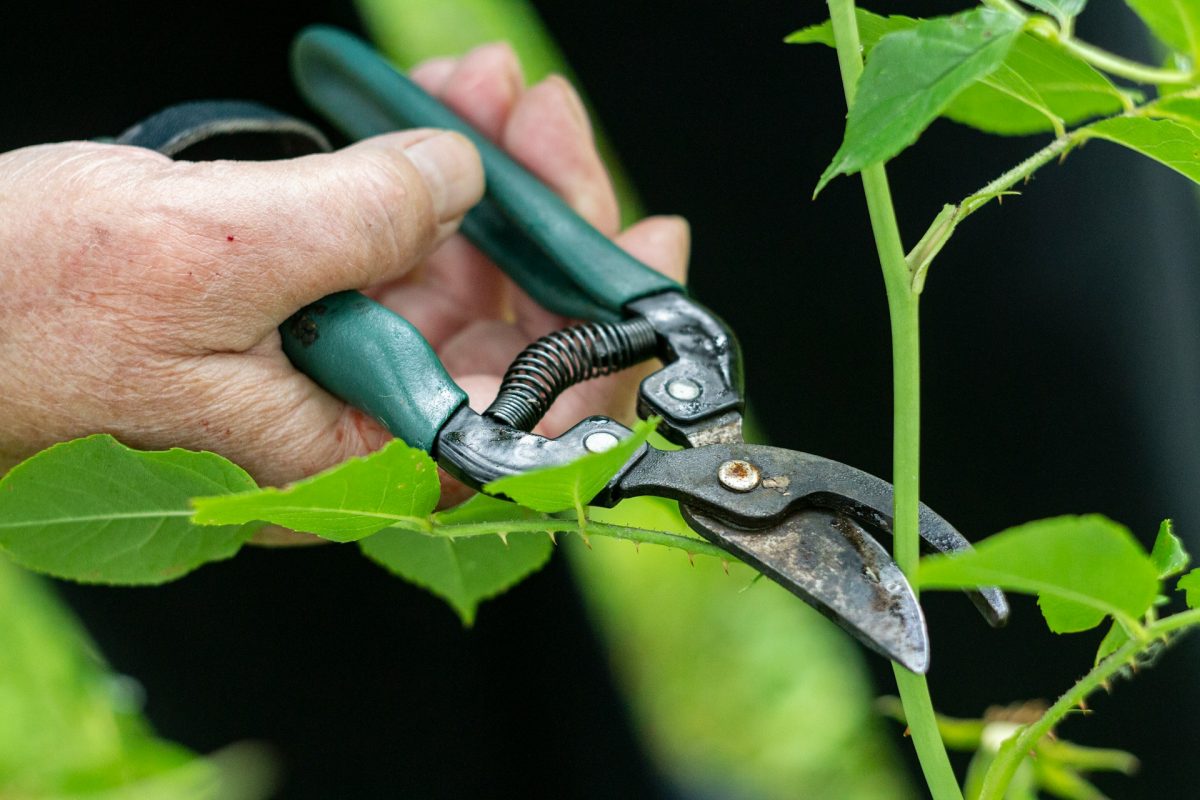
A pair of pruning shears in March can decide the fate of an entire summer harvest. One careless cut can remove future fruit, weaken a plant, or push growth in the wrong direction long before warm weather settles in. Early spring creates a strange moment in the garden. Plants sit somewhere between sleep and growth, buds swell quietly on branches, and gardeners feel the urge to tidy everything in sight. That urge causes more trouble than almost any pest or disease.
Pruning plays a powerful role in plant health, fruit production, and overall garden structure, but timing and technique matter far more than enthusiasm. Many plants depend on the previous season’s growth to produce fruit, while others respond to heavy cuts with wild growth that never sets blossoms. Knowing what to prune, when to prune it, and how much to remove separates thriving gardens from disappointing harvests
1. Cutting Too Early Before Plants Wake Up
Impatience ruins many gardens long before spring fully arrives. Gardeners often grab pruning shears during the first warm spell in March, but plants still rest in a delicate dormant state that responds poorly to aggressive cutting. Cold temperatures still linger during early spring, and fresh cuts expose living tissue to potential frost damage. When a gardener removes branches too early, the plant directs energy toward healing wounds instead of supporting healthy growth. That shift in energy slows development and reduces flowering and fruit production later in the season.
Fruit trees feel this mistake particularly hard. Apple, pear, and plum trees benefit from pruning during dormancy, but pruning during unstable temperature swings invites stress. Late cold snaps damage exposed tissue and sometimes kill developing buds before they ever open.
2. Removing Last Year’s Fruit Wood
Many fruiting plants grow blossoms on wood that formed during the previous growing season. A gardener who trims away that wood in March unknowingly removes the very branches that planned to produce fruit. Blueberries, raspberries, certain grape varieties, and many flowering shrubs rely heavily on last year’s growth. Overzealous pruning removes those productive branches and replaces them with fresh green growth that will not produce fruit until the following year.
Garden beds often look cleaner after heavy pruning, yet tidy branches rarely translate to a full harvest basket. Plants need a balance between older fruiting wood and newer growth that will support future production.
Smart pruning focuses on selective removal instead of aggressive shaping. Dead branches, weak stems, and crowded growth deserve removal first, while healthy fruiting wood should remain largely untouched.
3. Treating Every Plant the Same
Pruning guides sometimes simplify the process too much. Gardeners read a few general rules and then apply them to every plant in the yard. Unfortunately, plants follow wildly different growth habits. Fruit trees respond well to structural pruning that opens the canopy and improves airflow. Berry bushes prefer gradual thinning that removes older canes while protecting young, productive ones. Grapevines demand precise seasonal pruning, or they quickly turn into tangled masses that produce little fruit.
Hydrangeas create one of the most famous pruning disasters in spring gardens. Some varieties bloom on old wood, while others bloom on new growth. A gardener who cuts the wrong type in March wipes out the entire summer display in a single afternoon. Successful gardeners treat each plant like its own project rather than part of a one-size-fits-all routine. A little research before pruning saves a great deal of frustration later in the season.
4. Over-Pruning in the Name of “Tidiness”
Clean lines and tidy shapes look satisfying in early spring, but plants rarely appreciate heavy pruning during March. Many gardeners remove far more growth than necessary because the garden looks messy after winter. Plants depend on stored energy inside stems and branches. When someone removes too much growth, the plant loses both structure and energy reserves that support spring development. Instead of producing flowers and fruit, the plant scrambles to rebuild lost foliage.
Over-pruned plants often respond with aggressive vertical shoots, sometimes called water sprouts. These fast-growing stems consume energy yet rarely produce flowers or fruit. They crowd the plant and create even more pruning work later in the year. A better strategy focuses on moderation. Removing about one quarter of a plant’s total growth during a pruning session usually keeps plants healthy while maintaining their natural structure.
5. Ignoring Plant Shape and Airflow
Pruning should guide plant growth, not simply reduce size. Many gardeners cut random branches throughout a shrub or tree without considering how the plant will grow afterward. Branches that cross and rub against each other create wounds that invite pests and disease. Dense interior growth traps moisture and blocks sunlight from reaching developing buds. Poor airflow encourages fungal problems that can spread quickly once warm weather arrives.
Thoughtful pruning creates an open structure that allows sunlight to reach the center of the plant while encouraging air movement through the canopy. Fruit trees benefit enormously from this approach because better light exposure encourages stronger flowering and fruit development.
Gardeners often use the “open center” concept for many fruit trees. This structure removes inward-growing branches and encourages outward growth that supports both airflow and sunlight penetration.
6. Using Dull or Dirty Tools
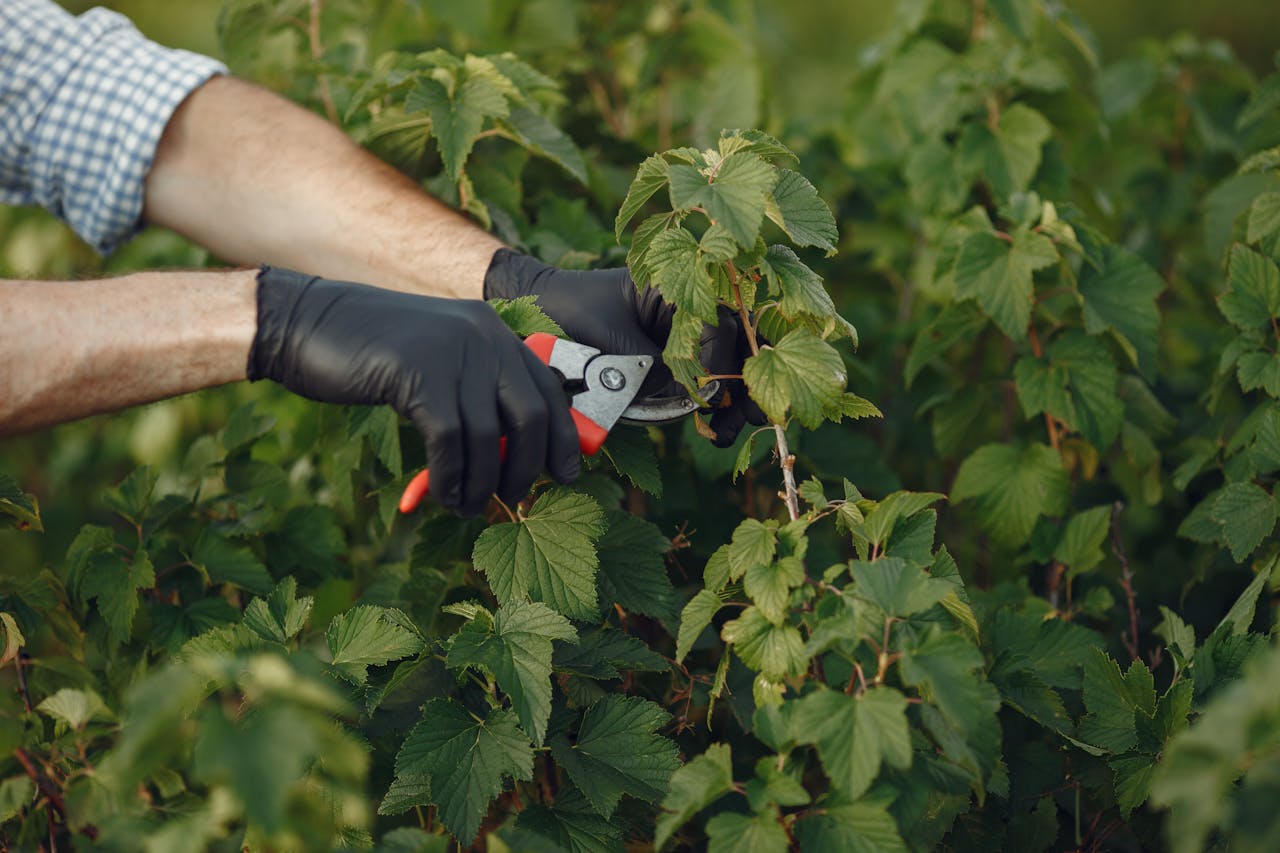
Pruning shears that struggle to cut through a stem create jagged wounds that heal slowly. A dull blade crushes plant tissue rather than slicing cleanly through it, and damaged tissue invites disease and pests. Dirty tools create an even larger problem. Fungal spores, bacteria, and viruses cling easily to blades, and pruning spreads those pathogens from plant to plant in seconds. A gardener who prunes an infected branch and then immediately cuts a healthy plant unknowingly spreads the problem through the entire garden.
Sharp, clean tools solve both issues. A quick wipe with rubbing alcohol between plants dramatically reduces disease transmission. Regular sharpening keeps cuts clean and precise, allowing plants to heal quickly and focus on productive growth.
The Harvest Starts With the First Cut
Every thriving summer harvest begins long before the first tomato ripens or the first berry turns sweet. The earliest decisions in the garden shape everything that follows, and March pruning stands among the most important of those decisions. Gardeners who approach pruning with patience, knowledge, and restraint give plants the best chance to produce strong growth and heavy yields. Careful cuts protect fruiting wood, improve airflow, and guide plants toward healthy structure rather than chaotic growth.
Which pruning mistake has caused the biggest garden frustration in your yard, and what changed the following season? Dig into our comments to talk about it.
You May Also Like…
9 Winter Pruning Cuts That Invite Disease in Spring
7 Tools That Help Seniors Stay In Their Gardens Longer
9 Steps to Protect Your Garden Furniture & Tools for Winter
5 Weirdly Useful Garden Tools You’ll End Up Using Every Day
Why Now Is the Time to Sharpen, Oil, and Store Your Garden Tools

Brandon Marcus is a staff writer for FrugalGardening.com at District Media, Inc., where he delivers practical gardening advice with a relatable, no-nonsense style. An avid amateur gardener, he holds a BA degree and with over ten years of professional writing experience, he is also an award-winning published author whose first book, Questions For Deep Thinkers, was released by Adams Media. His work has appeared in major publications including Fandom.com, CHUD.com, TheColdWire.com, and Fansided.com.
Leave a Reply