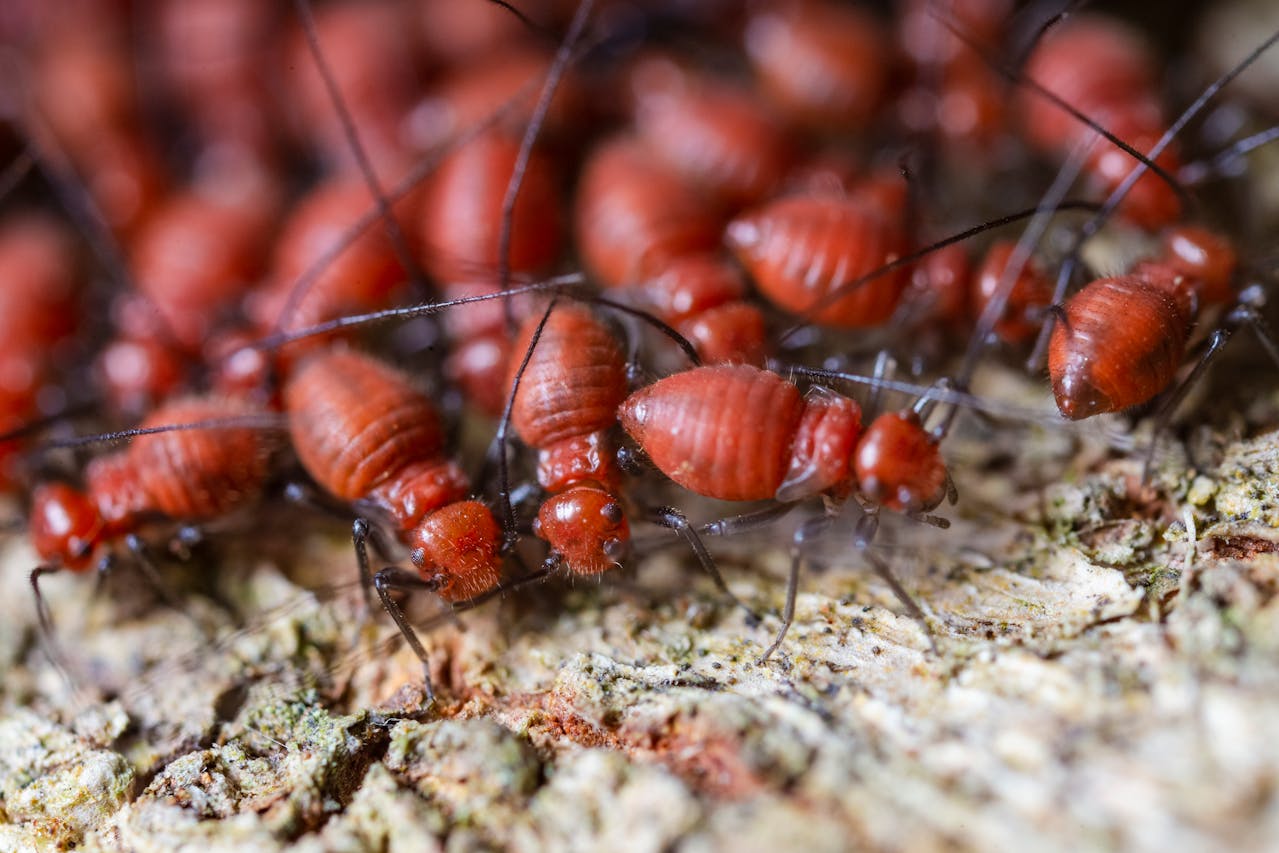
Spring doesn’t just wake up flowers and fruit trees. It wakes up termites too. As soon as soil temperatures begin to rise and spring rains soak the ground, subterranean termites shift into high gear. Gardens, with their rich soil, regular watering, and constant organic material, create a near-perfect staging ground for these insects. While lush greenery signals renewal and growth, it can also signal opportunity for termite colonies that never truly stopped working through the winter.
Really knowing why gardens attract more termite activity in early spring helps homeowners stay ahead of potential damage. Termites don’t act randomly. They respond to moisture, temperature, and food sources with remarkable precision. Early spring delivers all three in one convenient package.
Warm Soil Signals the Start of Feeding Season
Termites thrive underground, and soil temperature dictates their pace. When spring sunlight warms the ground, subterranean termites increase their foraging activity. Colonies that stayed deeper during colder months move closer to the surface, where the soil feels warmer and easier to navigate.
Gardens warm up faster than untouched ground because mulch, compost, and darker soil absorb heat. Raised beds and landscaped areas often hold warmth longer throughout the day. That shift creates an inviting environment for termite workers that search for food sources. Once they sense favorable conditions, they expand their tunnels outward, sometimes straight toward structures that sit near those garden beds.
Spring also marks the beginning of swarm season for many termite species in the United States. Swarmers emerge to establish new colonies, and gardens with moist, undisturbed soil offer ideal landing zones. Spotting discarded wings around garden edges or near foundation walls can signal nearby activity that deserves immediate attention.
Moisture Turns Gardens Into Termite Magnets
Termites require moisture to survive, and early spring delivers consistent rainfall in many regions. Gardeners often add even more water through irrigation systems and regular hand watering. That steady supply of damp soil keeps termites comfortable and active.
Mulch, compost piles, and dense plantings trap moisture against the ground. While that practice benefits plants, it also protects termites from drying out. Thick layers of wood mulch create especially attractive conditions because they provide both shelter and a food source. Termites readily feed on cellulose found in wood products, including bark chips and decaying plant material.
Downspouts that empty near garden beds can compound the problem. Water pooling around foundations saturates soil and makes it easier for termites to construct mud tubes that bridge the gap between soil and wood structures. Redirecting runoff away from the home and maintaining proper drainage reduces this risk significantly.
Organic Matter Feeds the Colony
Gardens contain a buffet of cellulose-rich materials. Dead roots, buried wood scraps, fallen branches, and aging mulch all provide food. Even wooden stakes, trellises, and raised bed frames can attract termites when they sit directly in contact with soil.
Termites play a natural role in breaking down organic matter in ecosystems. In wooded areas, they recycle fallen trees and enrich the soil. In residential landscapes, however, that same instinct can bring them dangerously close to homes. Once a colony establishes consistent feeding in a garden, it may continue tunneling until it reaches structural wood.
Old tree stumps often act as silent hubs of termite activity. Colonies can live inside stumps for years without visible signs. From there, worker termites extend their tunnels outward in search of additional food. Removing stumps and large buried roots reduces a major food source and discourages colony expansion near living spaces.
Landscaping Choices That Invite Trouble
Certain landscaping decisions increase the odds of termite activity around gardens. Wood-to-soil contact ranks high on the list. When siding, deck posts, fence boards, or porch steps touch the ground directly, termites gain easy access without building visible mud tubes.
Mulch piled too high against foundation walls creates another issue. Experts often recommend keeping mulch at least several inches away from the foundation and limiting depth to two or three inches. That spacing allows airflow and reduces hidden access points.
Firewood storage also plays a role. Stacking firewood directly against the house or beside garden beds invites termites to settle in. Even pressure-treated wood can attract termites under the right conditions, although it resists damage better than untreated lumber. Elevating firewood off the ground and storing it away from the home cuts down on risk.
Garden structures deserve attention as well. Wooden pergolas, arbors, and planters benefit from regular inspection. Sealing exposed wood and ensuring proper drainage around support posts helps prevent moisture buildup that termites find irresistible.

Early Spring Swarms and What They Mean
When winged termites take flight in spring, they signal a mature colony nearby. Swarms usually occur on warm days after rain, when humidity remains high. Gardens provide calm landing spots where new queens can shed their wings and attempt to establish colonies.
Seeing swarmers outdoors does not automatically mean structural damage exists. However, spotting them near foundations or inside sheds raises concern. Termite swarmers resemble flying ants at a glance, but they differ in key ways. Termites have straight antennae, equal-length wings, and thick waists, while ants display bent antennae, uneven wings, and narrow waists.
Immediate identification matters because early intervention prevents costly repairs later. A licensed pest control professional can confirm activity and recommend treatment if needed. Ignoring swarms allows new colonies time to grow, and termite colonies can contain hundreds of thousands of individuals when fully developed.
Smart Garden Habits That Keep Termites in Check
Garden enthusiasts don’t need to sacrifice beauty to protect their homes. A few thoughtful adjustments can dramatically reduce termite attraction. Maintaining proper drainage ranks at the top of the list. Soil should slope away from the foundation to prevent water accumulation.
Choosing alternative mulches offers another layer of protection. Rubber mulch or gravel near foundations reduces cellulose exposure, although organic mulch can still work when kept thin and pulled back from structures. Regularly turning mulch allows it to dry more thoroughly between waterings.
Keeping at least an 18-inch gap between soil and any wooden siding prevents hidden access points. Installing metal barriers or concrete footers for raised beds adds extra separation. Routine inspections during spring garden cleanup allow homeowners to spot mud tubes, hollow-sounding wood, or unexplained cracks before major damage occurs.
Professional termite inspections every year or two provide peace of mind, especially in regions with high termite pressure. Preventive treatments, such as soil-applied termiticides or bait systems, offer long-term protection when installed correctly. These methods target colonies without harming gardens when applied according to label directions.
Nature, Balance, and Staying One Step Ahead
Termites will never disappear from the landscape, and they shouldn’t. They play an essential ecological role by recycling dead plant material and enriching soil. Problems arise when human structures sit directly in their path.
Early spring simply amplifies conditions that termites already favor. Warmth accelerates their metabolism, moisture keeps them active, and gardens supply abundant food. Recognizing that combination helps homeowners make informed decisions instead of reacting to damage after it occurs.
Staying proactive does not require panic. It requires awareness, consistency, and smart landscaping choices. Paying attention during spring planting and cleanup often makes the difference between a thriving garden and an expensive repair project.
The Real Spring Wake-Up Call
Spring brings color, growth, and a long list of outdoor projects. It also demands attention to what happens beneath the surface. Termites respond quickly to rising temperatures and moist soil, especially in gardens filled with organic material and wood elements.
Simple changes, from adjusting mulch placement to improving drainage and removing old stumps, can dramatically lower the chances of termite expansion near a home. Regular inspections and professional evaluations add another layer of protection that supports long-term structural health.
As this spring unfolds, what steps will shape a landscape that welcomes flowers and vegetables while keeping termite colonies at a safe distance? If you have plans to combat termites this year, let’s talk about them below.
You May Also Like…
Florida Is Bracing for a Major Pest Surge — Here’s the Low‑Cost Prep Homeowners Need Now
Why Ignoring Winter Garden Cleanup Leads to Bigger Pest Issues
11 Things Rodents Use to Sneak Into Your Garden Shed
Why Your Raised Beds Might Be Working Against You
March Garden Pests That Show Up Before You Notice the Damage

Brandon Marcus is a staff writer for FrugalGardening.com at District Media, Inc., where he delivers practical gardening advice with a relatable, no-nonsense style. An avid amateur gardener, he holds a BA degree and with over ten years of professional writing experience, he is also an award-winning published author whose first book, Questions For Deep Thinkers, was released by Adams Media. His work has appeared in major publications including Fandom.com, CHUD.com, TheColdWire.com, and Fansided.com.
Leave a Reply