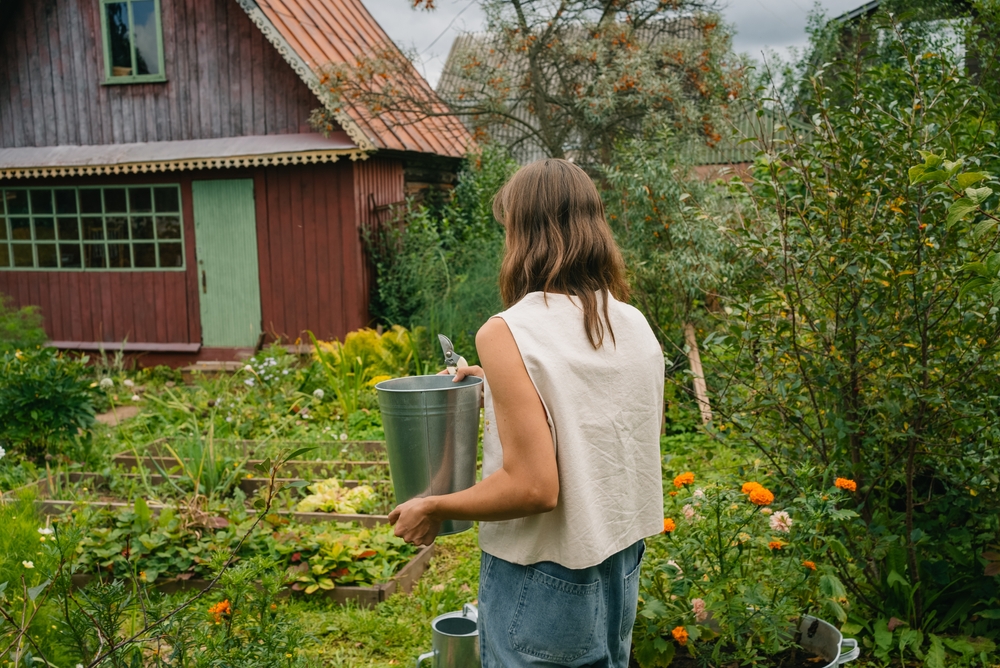
Every shower can leave behind more than a clean person. Graywater from showers and baths can give ornamental gardens a helpful drink when gardeners handle it carefully and choose the right plants. Instead of sending every drop down the drain, homeowners can redirect some household water toward flowers, shrubs, and decorative landscapes.
Graywater gardening sounds like a futuristic backyard experiment, but the idea actually feels refreshingly practical. A bucket near the shower or a properly designed system can turn everyday routines into a small water-saving habit that benefits landscapes while reducing unnecessary waste.
Graywater Basics: Turning Household Water Into Garden Help
Graywater refers to lightly used household water from showers, bathtubs, bathroom sinks, and laundry machines, while toilet water does not belong in this category. This water may contain small amounts of soap, shampoo, minerals, and other residues that require thoughtful handling before garden use.
Gardeners often direct graywater toward ornamental plants because these areas do not produce food that people eat directly. The key involves choosing gentle products without harsh chemicals and keeping the water away from edible crops. Graywater systems also need proper planning because rules vary by location and may limit installation methods.
A simple approach can start with collecting shower warm-up water in a container and using it on suitable plants. Many households waste those few minutes of clean water before the shower reaches the preferred temperature, and that water works well for many landscape plants. More advanced systems can move water through pipes or filtration setups, but careful design matters because poorly managed graywater can create odors, soil problems, or plant stress.
Choosing Plants That Welcome Graywater Without Complaints
Ornamental plants often handle graywater better than delicate garden favorites because many shrubs, grasses, and established perennials tolerate occasional changes in water quality. Plants that prefer consistent moisture and rich organic conditions may respond well when gardeners match the water source with the plant’s needs.
Drought-tolerant landscaping plants often make strong candidates because they already handle changing conditions. Shrubs such as certain varieties of lavender, rosemary, and ornamental grasses may work well in appropriate climates, although gardeners should always check local growing conditions first. A plant that loves dry soil may struggle if graywater keeps the root area constantly damp.
Soap residue creates one of the biggest concerns, especially when products contain salts, boron, or strong additives. Gardeners can reduce risks by selecting biodegradable, plant-friendly soaps and avoiding antibacterial cleaners around graywater sources. Rotating watering areas can also help prevent one patch of soil from receiving too much buildup over time.
Smart Graywater Habits Create a Healthier Garden Routine
Graywater gardening works best when it feels like a careful partnership between the household and the landscape. The water source, soil type, climate, and plant choices all need to work together rather than follow a one-size-fits-all formula.
Direct graywater below the soil surface whenever possible instead of spraying it into the air or across leaves. Surface application can increase contact with people, pets, and wildlife, while underground delivery places moisture closer to plant roots. Gardeners should also avoid storing graywater for long periods because warm, stagnant water can develop unpleasant smells and unwanted microbial growth.
A little observation goes a long way with this gardening method. Leaves, soil texture, and plant appearance provide useful clues about whether the system works properly. If plants show yellowing leaves, slowed growth, or unusual soil crusting, the watering routine may need adjustments.
A Greener Garden Starts With Smarter Water Choices
Graywater offers gardeners a practical way to rethink the water flowing through everyday life. Showers and baths can provide extra moisture for ornamental landscapes when homeowners follow safe practices and respect local guidelines.
The best graywater systems combine simple habits with careful plant selection. They do not replace all garden watering needs, but they can support a landscape while encouraging more thoughtful resource use. A few small changes around the home can create a noticeable shift in how water moves through the yard.
Growing with graywater does not require turning a backyard into a complicated science project. Start small, pay attention to plant responses, and choose products that keep garden soil healthy. With the right approach, yesterday’s shower water can become tomorrow’s garden support.
Have you ever considered using graywater in your landscape, or do you already have a system that works for your ornamental plants? Share your experiences and gardening tips in the comments.
You May Also Like…
Smart Garden Tech: Drip Irrigation and Soil-Moisture Sensors Conserve Water and Money
Drought‑Resistant Herbs and Spices: Rosemary, Thyme and Sage Thrive with Minimal Water
Why Self-Watering Gardens Are Suddenly So Popular
Why Overwatering Is More Dangerous Than Underwatering

Brandon Marcus is a staff writer for FrugalGardening.com at District Media, Inc., where he delivers practical gardening advice with a relatable, no-nonsense style. An avid amateur gardener, he holds a BA degree and with over ten years of professional writing experience, he is also an award-winning published author whose first book, Questions For Deep Thinkers, was released by Adams Media. His work has appeared in major publications including Fandom.com, CHUD.com, TheColdWire.com, and Fansided.com.
Leave a Reply