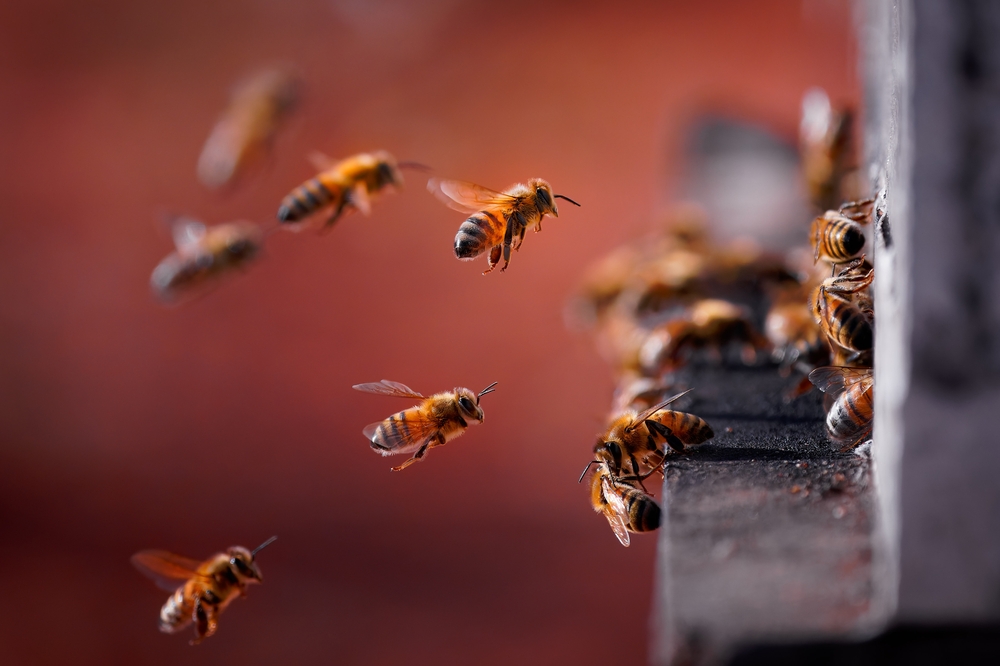
Summer gardens buzz with life when bees dart between flowers and butterflies float through the air like living confetti. Most gardeners focus on planting colorful blooms packed with nectar, but pollinators also need a safe place to drink during hot weather. Shallow water sources help bees cool down, support butterfly activity, and keep beneficial insects active throughout the growing season.
A simple pollinator water station made from recycled dishes can transform an ordinary backyard into a lively habitat filled with movement and color. Better yet, this easy project saves money, reduces waste, and adds a quirky decorative touch to patios, flower beds, and vegetable gardens.
Why Pollinators Need Water Just as Much as Flowers
Bees burn enormous amounts of energy while collecting pollen and nectar, especially during scorching summer afternoons. Honeybees often carry water back to their hives because colonies use moisture to regulate internal hive temperatures. Butterflies also depend on shallow puddles and damp surfaces to gather minerals and hydration. Without accessible water, pollinators may avoid even the most beautiful gardens during dry spells. Gardeners who provide safe water sources often notice increased pollinator activity within days.
Traditional birdbaths rarely help bees and butterflies because deep water creates a drowning hazard for tiny insects. Pollinators need shallow landing spots where they can sip safely without slipping beneath the surface. Natural environments usually provide puddles, wet rocks, muddy patches, and dew-covered leaves, but modern landscaping often removes those features. Concrete patios, manicured lawns, and mulch-heavy gardens can leave pollinators searching desperately for moisture. A recycled dish water station recreates those natural drinking areas in a safe and attractive way.
Hunt for Hidden Treasure in Kitchen Cabinets
Old pie tins, chipped saucers, cracked casserole dishes, and faded serving platters make excellent pollinator water stations. Many gardeners already own stacks of forgotten dishes hiding in cabinets, garages, or thrift-store boxes. Shallow containers work best because bees and butterflies prefer easy access to water without steep edges. Bright colors and vintage patterns can also turn these stations into whimsical garden accents that catch attention among flowers and greenery. A scratched-up dish may look useless indoors, but it can become backyard gold outside.
Heavy ceramic dishes usually outperform lightweight plastic containers because wind cannot easily flip them over. Glass dishes add sparkle in sunny gardens, though gardeners should place them carefully to avoid overheating water during extreme heat waves. Metal trays warm quickly in direct sun, so partially shaded locations often work better for those materials. Gardeners can even stack dishes on upside-down flowerpots or tree stumps to create elevated watering stations. That layered look gives gardens extra charm while keeping pollinator areas visible and accessible.
Add Stones, Pebbles, and Corks for Safe Landing Zones
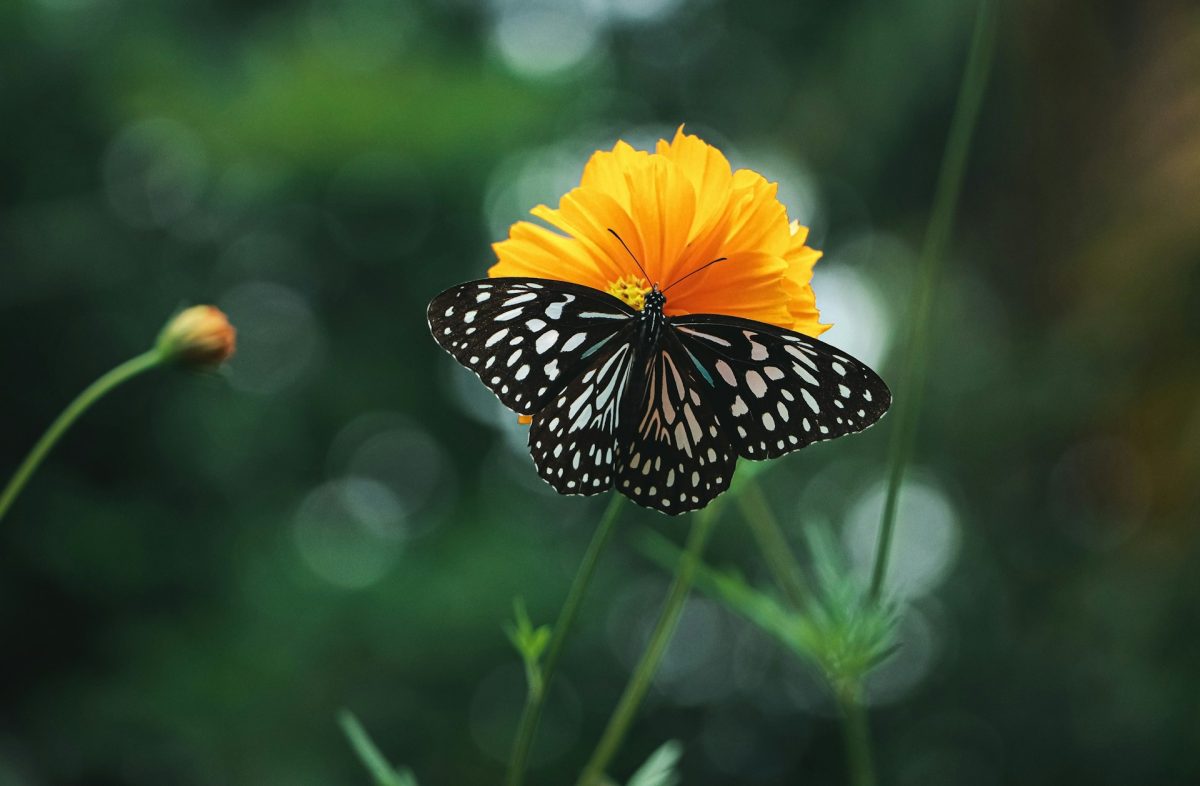
A dish filled with plain water can still pose problems because pollinators need stable surfaces to stand on while drinking. Smooth river stones, gravel, marbles, wine corks, and broken terracotta pieces create perfect landing pads inside shallow dishes. Bees especially love textured surfaces that allow secure footing while they sip water. Butterflies often spread their wings across warm rocks while soaking up moisture and minerals. Those added materials also make the station look more natural and visually interesting.
The best water stations include multiple heights and surfaces so different pollinators can drink comfortably. Tiny native bees may prefer pebble-filled edges, while larger butterflies often settle on broader stones near the center. Gardeners should avoid filling dishes too deeply because shallow water prevents accidental drownings. Refreshing the water every couple of days also keeps mosquito populations under control during warm months. A quick rinse removes algae buildup and keeps the station inviting for pollinators instead of turning it into a slimy mess.
Placement Can Make or Break the Station
Location matters just as much as design when creating a pollinator-friendly water station. Bees and butterflies gravitate toward sunny flower beds filled with nectar-rich plants, so placing water nearby increases the chances of regular visits. A station tucked beside lavender, coneflowers, zinnias, or bee balm often becomes a busy gathering spot during summer afternoons. Partial shade works especially well because cooler water evaporates more slowly on blazing days. Gardens with both sunlight and shelter usually attract the widest variety of pollinators.
Windy areas can discourage butterflies from stopping long enough to drink, so protected corners offer better results. Raised garden beds, shrub borders, and patio planters often provide enough shelter without blocking access. Gardeners should also keep water stations away from areas treated with pesticides or chemical sprays. Even small traces of harmful chemicals can damage pollinator populations that already face major environmental stress. Clean water and chemical-free surroundings create a much safer backyard refuge for helpful insects.
Small Gardens and Balconies Can Join the Fun Too
Pollinator water stations work beautifully in tiny outdoor spaces because they require very little room. Apartment balconies, townhouse patios, and container gardens can all support visiting bees and butterflies with a simple shallow dish. Even one flowering planter paired with a small water source can attract surprising amounts of pollinator activity during peak summer months. Urban gardeners often feel disconnected from wildlife, but these miniature habitats create lively pockets of nature in crowded environments. Watching butterflies flutter onto a tiny balcony dish can feel strangely magical after a long day.
Compact spaces also give gardeners freedom to get creative with decorative touches and recycled materials. Teacups, vintage ashtrays, chipped dessert plates, and small ceramic bowls can all become charming hydration stations. Some gardeners even add colorful glass beads or mosaic pieces to match patio décor. These tiny projects deliver environmental benefits while doubling as conversation-starting garden art. Friends and neighbors often become inspired to create their own pollinator stations after spotting one buzzing with activity.
A Tiny Water Source Can Create a Backyard Buzz
Pollinator gardens do much more than add beauty to outdoor spaces because they actively support food production and healthy ecosystems. Bees pollinate vegetables, fruit trees, herbs, and flowering plants that many households depend on every growing season. Butterflies contribute to biodiversity while bringing movement and color into gardens that might otherwise feel static. A recycled dish water station gives these hardworking visitors a safe place to rest and recharge during hot weather. One simple project can help transform a yard, patio, or balcony into a lively haven filled with buzzing wings and fluttering visitors.
What creative recycled items have readers turned into garden projects, and which pollinators show up most often in their outdoor spaces? Share favorite ideas and backyard stories in the comments below.
You May Also Like…
Transform Your Yard Into a Pollinator Paradise With These Budget-Friendly Wildflowers
8 Nectar-Rich Options That Attract Hummingbirds
Affordable Ways to Create Pollinator Habitats That Attract Bees and Butterflies
Science Update: Why Fake ‘Bioluminescent’ Plants Sold Online Pose a Risk to Pollinators
Cheap Ways to Attract Pollinators Early in the Season

Brandon Marcus is a staff writer for FrugalGardening.com at District Media, Inc., where he delivers practical gardening advice with a relatable, no-nonsense style. An avid amateur gardener, he holds a BA degree and with over ten years of professional writing experience, he is also an award-winning published author whose first book, Questions For Deep Thinkers, was released by Adams Media. His work has appeared in major publications including Fandom.com, CHUD.com, TheColdWire.com, and Fansided.com.
Leave a Reply