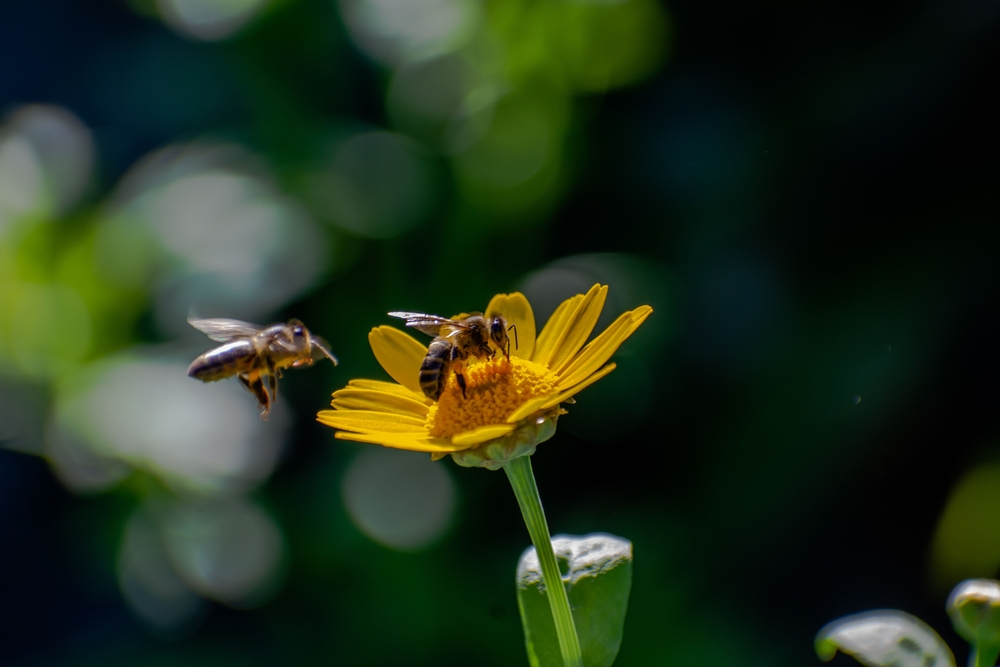
A colorful garden feels alive for a reason. Bees bounce from flower to flower, butterflies drift through the air, and even tiny hoverflies quietly handle important work that keeps flowers blooming and vegetables producing. Every visit from a pollinator helps build a healthier garden, but some common gardening habits can accidentally send those helpful visitors somewhere else.
Many gardeners work hard to create beautiful outdoor spaces, yet a few routine practices can reduce food sources, nesting areas, and safe places for pollinators. The good news is that most of these habits prove surprisingly easy to change. A few thoughtful adjustments can turn almost any yard, patio, or flower bed into a much friendlier stop for nature’s hardest workers.
1. Planting Only Showy Hybrid Flowers
Many modern hybrids deliver huge, colorful blooms, but plenty of them produce very little nectar or pollen. They look spectacular from the patio, yet bees often inspect them once before flying off in search of something more rewarding. A garden filled with flowers that offer little food resembles a grocery store with beautifully decorated but empty shelves. Mixing in native wildflowers, herbs, and traditional flowering varieties gives pollinators dependable meals throughout the growing season. The garden still looks gorgeous, but it also serves an important purpose.
Adding plants that bloom in spring, summer, and fall keeps food available for much longer. Early spring flowers support hungry bees emerging after winter, while late-season blooms help butterflies and other insects prepare for colder weather. A diverse planting schedule creates steady activity instead of one short burst of color. Even a small corner packed with nectar-rich flowers can attract far more visitors than a large bed filled with ornamental hybrids alone. Variety almost always wins when pollinators choose where to spend their time.
2. Keeping the Garden Too Neat
Perfectly tidy gardens appeal to many homeowners, but they often remove valuable shelter. Small piles of leaves, hollow stems, and patches of bare soil provide nesting spots for native bees and hiding places for beneficial insects. Cleaning everything away the moment autumn arrives leaves many pollinators without a safe place to spend the colder months. Nature rarely arranges itself in perfectly straight lines.
Leaving a few stems standing through winter and waiting until temperatures warm before cutting everything back gives overwintering insects a much better chance. A small brush pile tucked behind shrubs can also provide shelter without making the yard appear messy. The goal does not involve neglecting the garden. Instead, it means allowing a few carefully chosen areas to remain a little wild while the rest stays well maintained.
3. Using Pesticides Without Care
Few gardeners enjoy watching insects chew leaves, but broad-spectrum pesticides rarely distinguish between harmful pests and helpful pollinators. Bees can encounter residues while collecting nectar, and butterflies may avoid treated plants altogether. Even products marketed for home gardens deserve careful attention because timing and application matter just as much as the product itself. A quick spray can create unintended consequences that last much longer than expected.
Whenever possible, tackle pest problems with targeted methods first. Hand-picking insects, using strong sprays of water, encouraging ladybugs, or removing heavily damaged leaves often solves minor outbreaks before chemicals become necessary. If treatment cannot wait, avoid spraying open flowers and apply products during the evening when pollinators remain far less active. Those simple habits greatly reduce unnecessary exposure.
4. Forgetting About Water
Flowers provide food, but pollinators need water too. Unfortunately, many gardens offer plenty of blooms and nowhere safe to drink. Deep birdbaths or containers with steep sides can actually make life difficult for tiny insects looking for a quick sip on a hot afternoon. Something as simple as hydration often gets overlooked.
A shallow dish filled with fresh water and a handful of smooth stones creates an ideal landing spot. Bees and butterflies can perch safely while reaching the water without slipping underneath the surface. Refreshing the water regularly keeps it clean and discourages mosquitoes. This tiny addition often attracts far more winged visitors than many gardeners expect.
5. Growing One Type of Flower
A yard filled with one favorite flower certainly creates a dramatic display, but pollinators benefit from variety. Different species seek different flower shapes, bloom times, colors, and nectar sources. What attracts a bumblebee may not appeal to a hummingbird or a tiny solitary bee. A buffet always beats a single menu item.
Mixing flower sizes, heights, and bloom periods creates constant activity throughout the season. Herbs such as oregano, thyme, basil, and chives also produce flowers that pollinators eagerly visit if gardeners allow them to bloom. Layering flowering shrubs, perennials, annuals, and native plants creates a richer habitat while adding texture and color that people enjoy just as much.
6. Removing Every “Weed”
Some plants earn an unfair reputation simply because they appear where gardeners did not expect them. Dandelions, clover, and self-seeding wildflowers often provide valuable nectar, especially during early spring when food remains scarce. Pulling every volunteer plant immediately can eliminate an important food source before many garden flowers even open. Not every surprise guest deserves an eviction notice.
Allowing a few beneficial wildflowers to remain in less formal areas supports pollinators without taking over the landscape. Gardeners still maintain control while offering helpful insects extra feeding opportunities. Identifying plants before removing them also prevents accidental loss of species that quietly support local wildlife. Sometimes the most useful flowers arrive without an invitation.
7. Skipping Native Plants
Exotic plants certainly add excitement to a landscape, but native species often provide the strongest connections with local pollinators. Bees, butterflies, and other insects evolved alongside these plants over thousands of years, making them dependable food sources. Native flowers also tend to fit local weather and soil conditions with less ongoing maintenance. They simply belong.
That does not mean replacing the entire garden overnight. Adding even a few native species each season gradually builds a healthier landscape that supports far more wildlife. Local garden centers and extension offices usually recommend plants that match specific regions. Those choices reward both gardeners and pollinators year after year.
Small Changes Create Big Buzz
Helping pollinators does not require a complete garden makeover or expensive landscaping project. Small choices, from planting a wider variety of flowers to leaving a few natural hiding places, add up quickly over the course of a season. Every bee, butterfly, moth, beetle, and hoverfly that visits the garden helps support flowers, fruits, vegetables, and the wider environment. A garden becomes even more rewarding when it welcomes both people and the tiny workers that keep it blooming.
What simple change have you made in your garden that brought in more bees or butterflies, or which of these habits surprised you the most? It’s time to share your thoughts in the comments below.
You May Also Like…
The Gardening Habit That Can Reduce Weeds Naturally
7 Cheap Ways to Make Your Backyard Look More Expensive
What Experienced Gardeners Wish They Knew Their First Year
8 Things Successful Gardeners Always Do Before a Heatwave
It’s Not Too Late! Start Sweet Potatoes and Pumpkins Now With Money-Saving Tips

Brandon Marcus is a staff writer for FrugalGardening.com at District Media, Inc., where he delivers practical gardening advice with a relatable, no-nonsense style. An avid amateur gardener, he holds a BA degree and with over ten years of professional writing experience, he is also an award-winning published author whose first book, Questions For Deep Thinkers, was released by Adams Media. His work has appeared in major publications including Fandom.com, CHUD.com, TheColdWire.com, and Fansided.com.
Leave a Reply