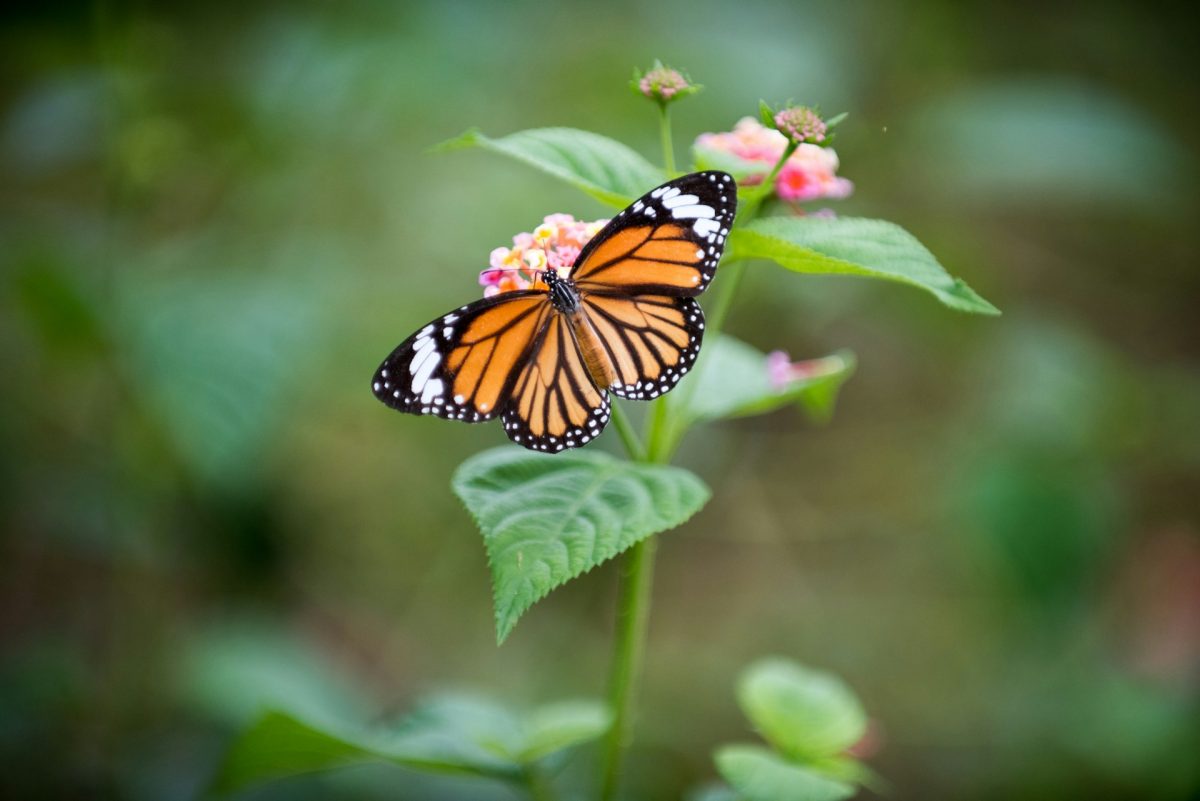
A yard buzzing with bees, fluttering with butterflies, and visited by hummingbirds feels alive in a way that few landscaping features can match. Pollinators do more than add beauty to outdoor spaces. They help produce fruits, vegetables, and seeds while supporting local ecosystems that depend on their daily work.
Many gardeners rush to garden centers looking for plants that seem colorful and attractive, assuming pollinators will automatically flock to them. Unfortunately, some of the most commonly sold plants offer little or no value to bees, butterflies, and other beneficial insects. In some cases, these plants even crowd out better options that would turn an ordinary yard into a pollinator hotspot. Choosing the right plants starts with knowing which purchases may actually work against that goal.
Double-Flowered Varieties Often Leave Pollinators Hungry
Garden centers love to showcase double-flowered varieties because they look dramatic and full. Roses, coneflowers, zinnias, and other popular flowers often receive breeding treatments that produce extra layers of petals. While these blooms may impress human visitors, they frequently hide or eliminate the pollen and nectar that pollinators need.
Many bees struggle to reach the flower’s center when petals pack the bloom tightly. A gardener may spend hundreds of dollars filling flower beds with these eye-catching plants, only to notice very little pollinator activity throughout the season. Single-flowered varieties usually provide much easier access to food sources while delivering plenty of color and visual appeal. Before buying any flowering plant, a quick look at the bloom structure can reveal whether pollinators will actually benefit.
Exotic Ornamentals Can Be Beautiful but Unhelpful
Many imported ornamental plants look stunning in landscape designs. Japanese barberry, butterfly bush, and certain exotic flowering shrubs appear in countless nurseries across the country. However, local pollinators evolved alongside native plants and often gain much less nutrition from imported species.
A yard filled with exotic ornamentals can resemble a beautiful buffet with very little actual food. Native bees in particular depend on specific plants that have supported them for generations. Replacing even a portion of exotic landscaping with native flowers can dramatically increase pollinator visits. Gardeners often notice more bees and butterflies within a single growing season after making the switch.
Plants Marketed for Appearance Alone Miss the Mark
The nursery industry frequently promotes plants based on bloom size, unusual colors, or long-lasting flowers. Marketing materials rarely mention whether the plant provides nectar or pollen. Some modern cultivars receive extensive breeding that prioritizes appearance while reducing the resources pollinators need.
Bright colors alone do not guarantee pollinator value. A flower may look spectacular in a catalog photo yet offer little nutrition in real life. Savvy gardeners read plant descriptions carefully and research pollinator benefits before making purchases. Choosing plants based on ecological value rather than appearance alone creates a landscape that supports wildlife while still looking beautiful.
Large Areas of Turf Grass Limit Pollinator Habitat
Grass is technically a plant, and many homeowners continue investing heavily in maintaining expansive lawns. Fertilizers, watering schedules, mowing equipment, and weed treatments often consume a large portion of landscaping budgets. Despite the expense, traditional turf grass contributes very little to pollinator populations.
A backyard covered mostly in lawn functions like a food desert for bees and butterflies. Even converting a small section of grass into a native flower bed can provide meaningful habitat. Pollinators need nectar, pollen, shelter, and places to reproduce. Flower-rich garden spaces deliver all of those benefits while reducing the endless maintenance that large lawns require.
Invasive Plants Create Long-Term Problems
Some plants sold in certain regions eventually spread beyond garden borders and disrupt local ecosystems. Invasive species can crowd out native plants that pollinators depend upon. Once established, these aggressive growers often become difficult and expensive to remove.
English ivy, purple loosestrife, and other invasive plants continue causing ecological headaches in many areas. Gardeners sometimes buy them without realizing the potential consequences. Local extension offices and native plant societies often publish lists of invasive species to avoid. Checking those resources before shopping can help prevent costly mistakes while protecting pollinator habitats.
Nectar-Free Annuals Offer Little Return for Wildlife
Garden centers fill their spring inventory with colorful annual flowers that create instant visual impact. While some annuals provide excellent pollinator support, others contribute very little beyond decorative value. Certain begonias, impatiens, and heavily modified hybrids attract few bees or butterflies despite their popularity.
Pollinators evaluate flowers differently than people do. They seek dependable food sources rather than flashy colors or perfect blooms. Mixing nectar-rich annuals such as cosmos, sunflowers, and lantana into garden beds often creates far more pollinator activity. A little research before planting can make the difference between a garden that simply looks nice and one that actively supports wildlife.
The Smartest Purchase Is Often a Native Plant
Native plants consistently rank among the best investments for gardeners seeking more pollinator activity. Species that naturally occur in a region provide food and habitat that local wildlife recognizes immediately. They often require less water, fewer chemical treatments, and less maintenance once established.
Many gardeners become surprised by how quickly native flowers attract visitors. Bees may appear within days, while butterflies and hummingbirds often follow shortly after. Native plant gardens create a more balanced ecosystem that supports pollinators throughout the growing season. Instead of filling shopping carts with trendy ornamentals that offer limited ecological value, gardeners can focus on plants that deliver benefits far beyond their appearance.
A Yard That Buzzes Starts at the Garden Center
Creating a pollinator-friendly landscape does not require a complete yard makeover. Small changes in purchasing decisions can produce big results over time. Avoiding double flowers, invasive species, nectar-poor ornamentals, and excessive turf grass opens the door for plants that genuinely support bees, butterflies, and hummingbirds.
Every plant added to a yard sends a message about what kind of habitat that space will become. Choosing native and pollinator-friendly varieties helps create a healthier environment while adding movement, color, and life to the landscape. The next trip to the garden center presents an opportunity to build a yard that works for both people and pollinators.
What plants have delivered the most bees, butterflies, or hummingbirds to your garden? Tell us your experiences and favorite pollinator-friendly plants in the comments below.
You May Also Like…
How To Tell If Your Grass Is Healthy In January
Build a Trellis on the Cheap: 3 DIY Supports for Your Climbing Plants
10 Common Gardening Myths That Waste Money
11 Gardening Mistakes Beginners Make Every Summer
Why More Homeowners Are Turning Their Lawns Into Pollinator Gardens

Brandon Marcus is a staff writer for FrugalGardening.com at District Media, Inc., where he delivers practical gardening advice with a relatable, no-nonsense style. An avid amateur gardener, he holds a BA degree and with over ten years of professional writing experience, he is also an award-winning published author whose first book, Questions For Deep Thinkers, was released by Adams Media. His work has appeared in major publications including Fandom.com, CHUD.com, TheColdWire.com, and Fansided.com.
Leave a Reply