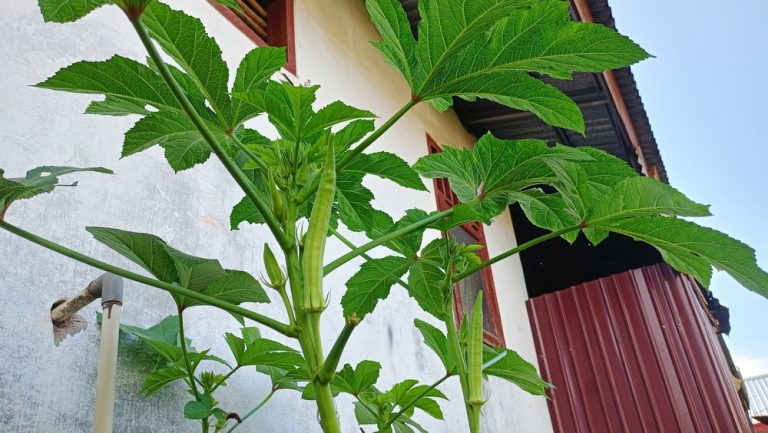
Okra can start as a modest little garden plant and then suddenly look like it has applied for a job as a flagpole. When the pods start hanging several feet above the ground, harvesting becomes awkward, missed pods turn tough, and that impressive height stops feeling quite so impressive. The good news: gardeners do not…
Can You Grow Saffron Crocus in an Ordinary Backyard?

An ordinary backyard can produce saffron, and the plant does not require a sprawling estate, greenhouse, or secret handshake with a professional spice farmer. Saffron comes from Crocus sativus, a fall-blooming perennial corm that can grow in garden beds, raised beds, and containers when gardeners give it the conditions it wants. The catch comes at…
6 Ways to Use August Garden Clippings Without Sending Them to the Curb
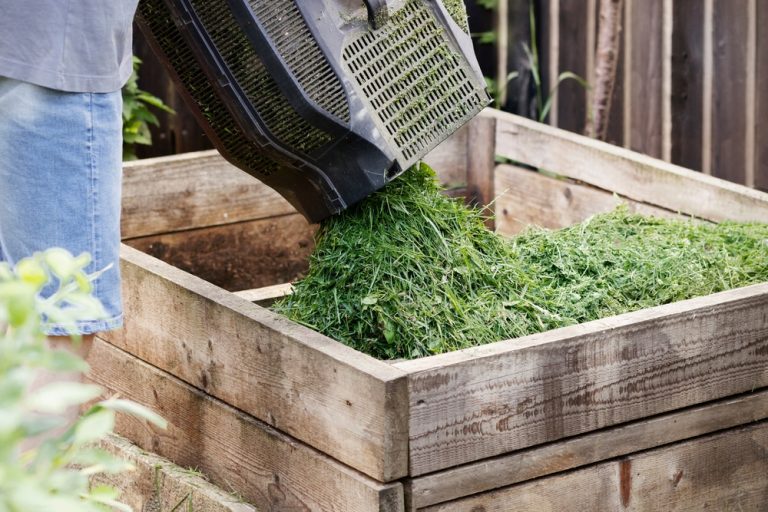
August can turn a garden into a leafy crime scene. Tomatoes have sprawled across paths, zucchini leaves have swallowed nearby plants, spent flowers have piled up, and the hedge suddenly looks like it needs its own postal code. Before stuffing all those clippings into bags for the curb, take a closer look because much of…
Is It Too Early to Prepare Amaryllis for Winter Bloom?
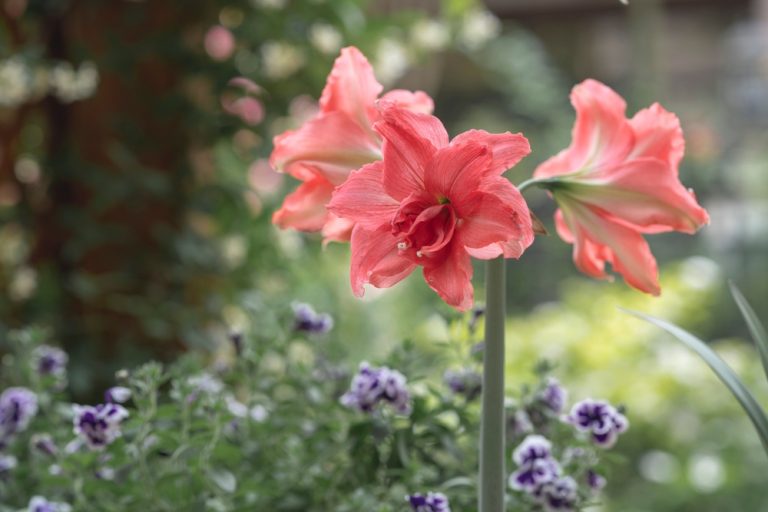
Believe it or not, it is not necessarily too early to prepare amaryllis for a winter bloom, but rushing the process can create more problems than flowers. The trick involves giving the bulb enough time to finish its summer growth before asking it to put on its winter floral spectacular. That timing matters because amaryllis…
5 Low-Cost Ways to Add Vertical Interest After Vines Fade
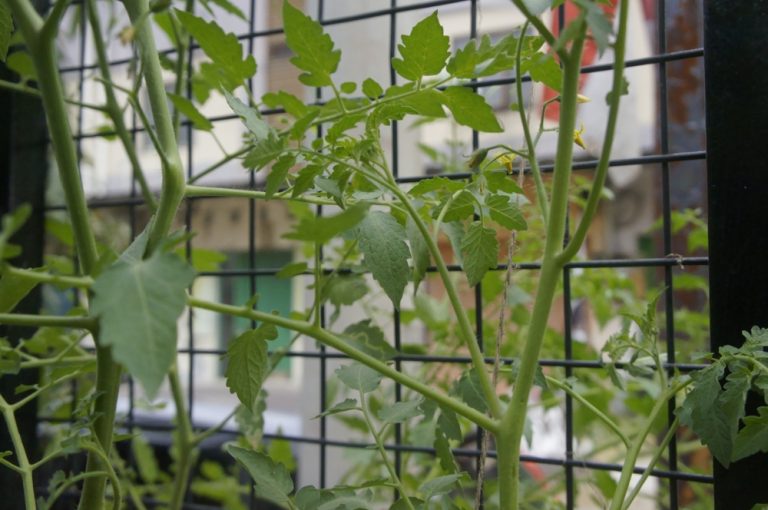
Vines can make a garden look like it has hired a professional stylist, right up until they finish blooming, turn brown, or retreat for the season. When that happens, all that wonderful vertical space can suddenly look awkwardly empty, but a faded vine does not mean the garden has to collapse into a flat sea…
7 Plants That Offer Seeds Birds Can Eat Through Fall

A garden can keep feeding birds long after the last bee disappears from the flowers, and the trick often involves doing absolutely nothing. Instead of cutting every faded bloom to the ground, gardeners can leave mature seedheads standing so finches, sparrows, chickadees, and other seed-eating birds can pick through them as fall progresses. Cornell Lab…
What Causes Green Rings Around the Tops of Carrots?

Carrots usually arrive in shades of orange, purple, yellow, or white, so a green ring around the top can look like the vegetable has wandered into the wrong garden department. That green color usually comes from a simple culprit: light exposure. When the upper part of a developing carrot sits too close to the soil…
Can You Move a Raised Bed Without Replacing All the Soil?
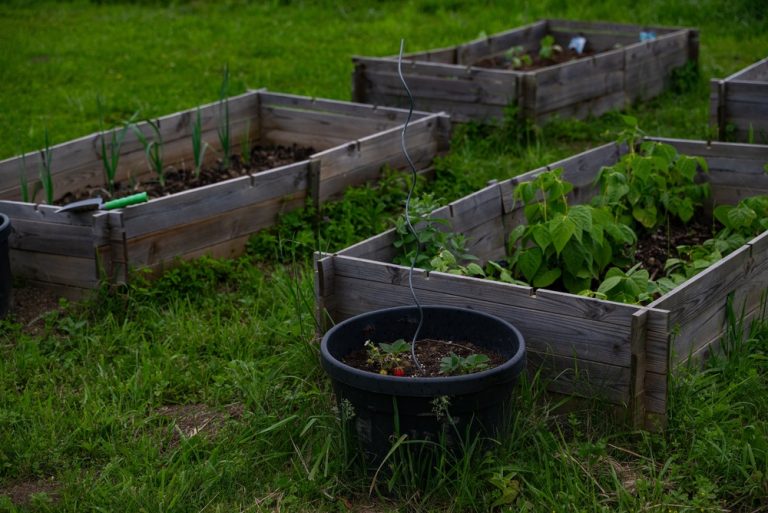
Good news, gardeners: a raised bed can move without sending all that beautiful, expensive soil to the compost pile. The trick involves treating the soil like a living garden resource rather than a box of dirt that happens to sit above ground. Moving the frame usually creates less trouble than moving what fills it. Soil…
5 Ways to Build a Temporary Nursery Bed for Bargain Perennials
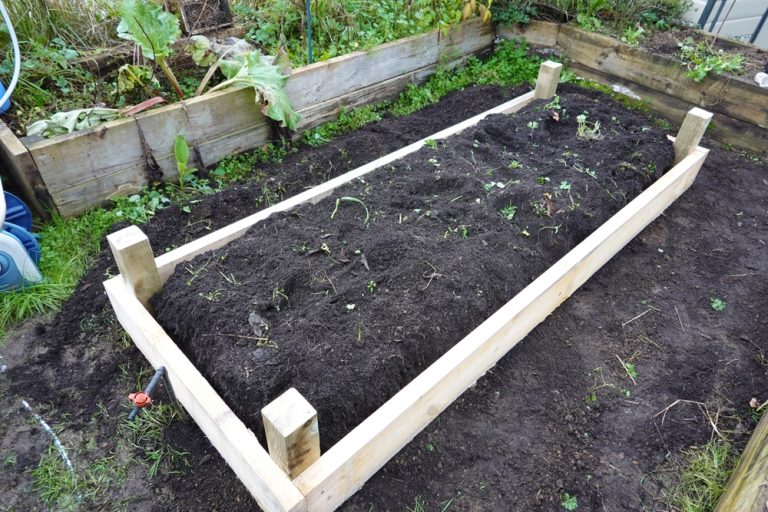
Bargain perennials can look like the clearance-bin equivalent of a sad puppy, but a droopy plant in a tiny pot does not necessarily mean a lost cause. A temporary nursery bed gives inexpensive perennials a place to recover, build roots, and gain size before they move into their permanent garden homes. Instead of forcing a…
Why Are More Gardeners Designing Fire-Smart Borders?

Wildfire safety has changed the way many gardeners think about the edge of a property. Instead of treating a garden border as nothing more than a pretty transition between lawn and flower beds, gardeners increasingly design these spaces to create separation between vegetation, buildings, and potential fire paths. A fire-smart border will not make a…