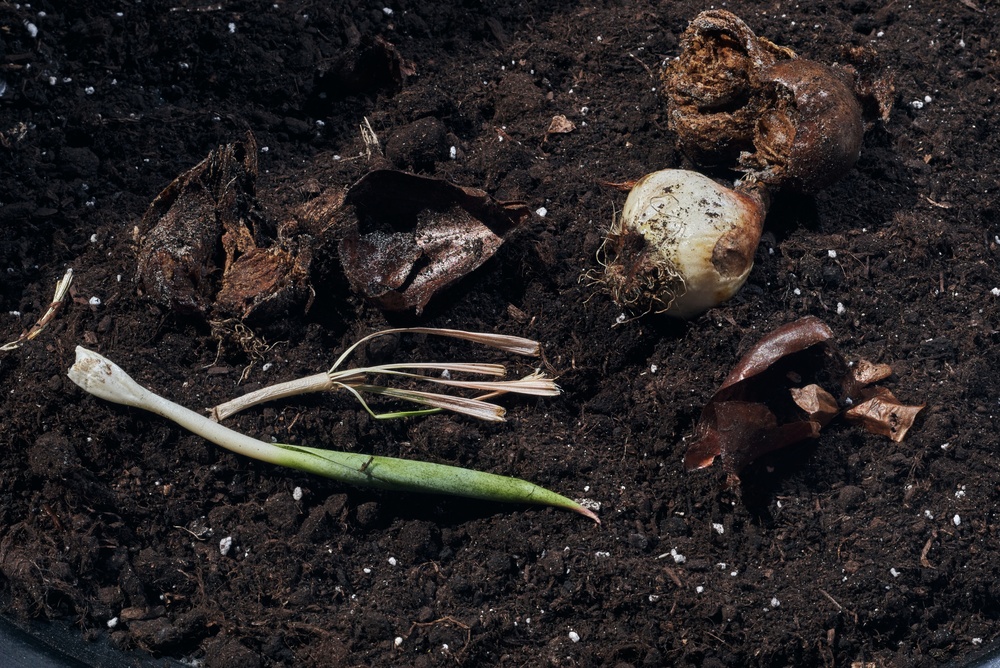
Spring bulbs put on a spectacular show, then pull the gardening equivalent of leaving the party without saying goodbye. Tulips, daffodils, crocuses, hyacinths, and other early bloomers can turn a sleepy garden into a colorful celebration, but their flowers eventually fade and their foliage starts looking tired. That creates a familiar gardening puzzle: what should go in those suddenly empty spaces?
The answer depends on timing, light, soil, and how the bulbs behave underground. The best replacement plants do more than fill a gap. They help hide fading bulb foliage, keep the garden attractive through summer, and avoid disturbing bulbs that still need time to store energy for next year. With a little planning, the spot that looked spectacular in April can look just as intentional in June, rather than resembling a flower bed that forgot to finish getting dressed.
Let Spring Bulb Foliage Finish Its Job Before Planting Around It
The first rule sounds simple, but it saves plenty of gardening headaches: do not cut back green bulb foliage just because the flowers have faded. Daffodils, tulips, and other spring bulbs use their leaves to gather energy and send it back down into the bulb for the next growing season. Yellowing foliage can look messy, but it serves an important purpose underground. The temptation to grab the shears usually arrives right when the leaves look their least charming. Resist it, because next spring’s flower display may pay the price.
That does not mean the garden must look like a patch of abandoned salad greens while the bulbs finish their work. Instead, plant later-season flowers nearby or around the bulbs, leaving enough room for the foliage to receive sunlight and gradually fade. Low-growing annuals can soften the appearance without smothering the leaves, while nearby perennials can take over as the bulb foliage declines. A good planting plan creates a relay race, with the spring bulbs handing the garden’s visual spotlight to summer plants. The goal involves hiding the mess without preventing the bulbs from completing their seasonal routine.
Annual Flowers Offer the Fastest Way to Fill Empty Spaces
Annuals make excellent companions for spring bulbs because they can provide color for the rest of the growing season without permanently claiming the space. Marigolds, zinnias, petunias, snapdragons, cosmos, and begonias can all help fill gaps, although the best choice depends on the amount of sunlight and the garden’s soil conditions. Garden centers often offer small annuals just as spring bulbs begin to fade, which makes the timing convenient. A few carefully placed plants can make a bed look refreshed instead of like it lost a fight with the calendar. Annuals also give gardeners a chance to experiment without committing to a permanent design.
Plant annuals carefully around fading bulbs rather than digging directly through dense bulb clusters. A narrow hand trowel can help reduce unnecessary disturbance, especially in a bed packed with tulips or other bulbs planted close together. Keep watering needs in mind, since some bulbs prefer conditions that differ from thirsty summer annuals. For a sunny bed, zinnias and marigolds can bring strong color, while begonias suit shadier locations. The right annual can turn a temporary gap into one of the most cheerful parts of the garden.
Perennials Can Create a Better Seasonal Relay
Perennials offer a longer-term solution when spring bulbs leave behind empty-looking spaces year after year. Plants such as daylilies, catmint, salvia, coral bells, yarrow, and hardy geraniums can provide foliage or flowers after many spring bulbs finish blooming. Their leaves often help disguise fading bulb foliage while the plants build toward their own summer display. Gardeners should match each perennial to the site’s light, drainage, and winter conditions rather than choosing a plant solely because it looks attractive at the nursery. A beautiful plant in the wrong location can become a gardening chore with surprisingly impressive speed.
The best companions usually leave enough space for the bulbs to return without forcing constant digging and dividing. Perennials with clumping or spreading habits can work particularly well, but aggressive spreaders require careful consideration before they take over the entire bed. Plants with attractive foliage can also carry the design when flowers disappear, which gives the garden more than one moment of glory. In a sunny border, catmint or salvia can create a strong transition from spring color to summer flowers. In a shadier bed, coral bells can provide foliage interest while the bulbs complete their seasonal cycle below.
Ground Covers and Foliage Plants Can Hide the Awkward Middle
Sometimes the problem does not involve a completely empty flower bed, but rather the awkward stretch between spring’s final blooms and summer’s main performance. Ground covers and foliage plants can help smooth that transition without demanding constant replanting. Creeping thyme suits sunny, well-drained areas, while certain sedums and low-growing perennial plants can provide texture in appropriate conditions. In shadier gardens, hostas and other foliage-focused plants can help fill space around bulbs without relying on nonstop flowers. A garden does not need to bloom every square inch to look good, and a little green structure can make the colorful moments stand out even more.
Still, gardeners should avoid treating every ground cover as a harmless green carpet. Some plants spread aggressively and can crowd out other plants or make future bulb maintenance difficult. Check the mature size before planting, and leave room for both the bulbs and the companion plant to grow. A low-growing plant can create a polished look, but an overly enthusiastic one can turn a carefully planned bed into a botanical wrestling match. Choose plants that fit the site and keep the bulbs accessible enough for occasional lifting, dividing, or replanting.
The Best Replacement Plant Depends on What the Bulbs Leave Behind
The right choice starts with a simple garden inspection. Notice how much sun reaches the area after nearby trees leaf out, check whether the soil stays wet or dries quickly, and look at how much space the bulbs actually occupy underground. A sunny bed with good drainage offers very different possibilities from a damp, shady corner beneath a mature tree. Gardeners should also consider whether the bulbs return reliably each year or whether they plan to dig them up after the foliage fades. Those details can shape the entire planting strategy.
For a flexible, low-fuss approach, combine spring bulbs with annuals for quick seasonal color and a few well-behaved perennials for lasting structure. Keep bulb foliage intact until it yellows naturally, then remove it gently rather than yanking leaves away while they remain green. Place new plants around the bulbs instead of blindly digging through the entire planting area. With that simple bit of choreography, spring bulbs can make their grand entrance, pass the spotlight to summer flowers, and leave behind a garden that never looks like the show ended early.
Turn the Bulb Gap Into the Garden’s Next Act
Spring bulbs do not create an empty garden when they fade. They create an opening for the next round of color, texture, and foliage. Annual flowers can fill the space quickly, perennials can provide dependable structure, and carefully chosen ground covers can soften the transition between seasons. The key involves respecting the bulbs’ need to finish storing energy while planning new plants that take over gradually. Once the garden follows that seasonal relay, fading spring foliage becomes a brief backstage moment instead of the main event.
What plants do you use to fill the spaces after your spring bulbs fade, and which combinations have worked best in your garden?
You May Also Like…
Plant These Cheap Summer Bulbs Today for a Garden Full of Fall Blooms
10 Garden Storage Mistakes That Ruin Bulbs and Tubers
7 Fast-Growing Flowers That Can Fill Empty Summer Gaps
9 Plants That Add Color Without Needing Constant Deadheading
The Cover Crop That Revives Dead Soil Over Winter

Brandon Marcus is a staff writer for FrugalGardening.com at District Media, Inc., where he delivers practical gardening advice with a relatable, no-nonsense style. An avid amateur gardener, he holds a BA degree and with over ten years of professional writing experience, he is also an award-winning published author whose first book, Questions For Deep Thinkers, was released by Adams Media. His work has appeared in major publications including Fandom.com, CHUD.com, TheColdWire.com, and Fansided.com.
Leave a Reply