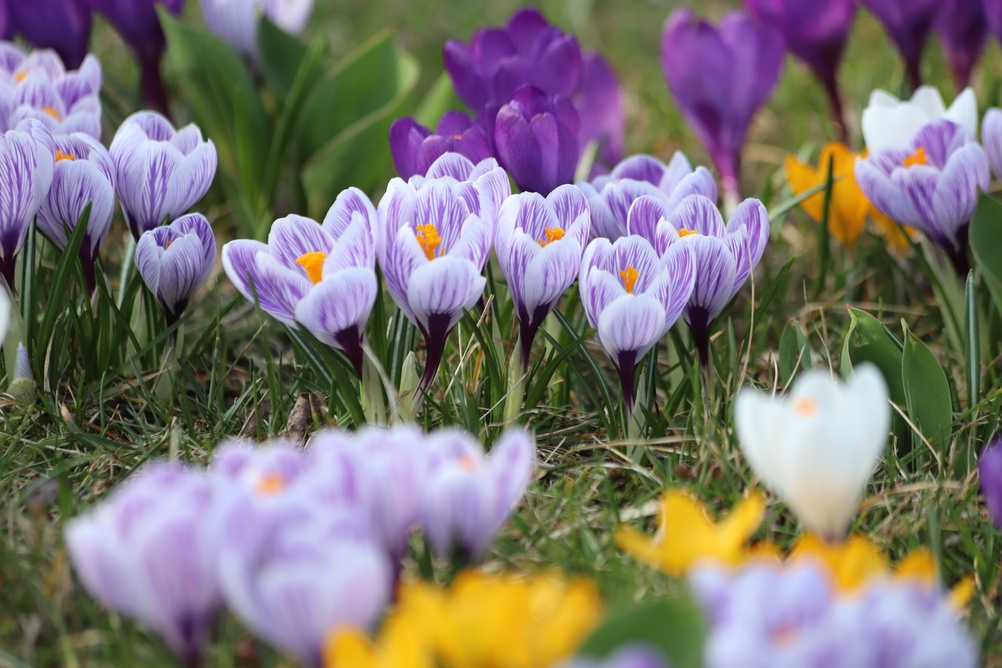
An ordinary backyard can produce saffron, and the plant does not require a sprawling estate, greenhouse, or secret handshake with a professional spice farmer. Saffron comes from Crocus sativus, a fall-blooming perennial corm that can grow in garden beds, raised beds, and containers when gardeners give it the conditions it wants. The catch comes at harvest time: each flower produces only three red stigmas, so this is a crop that rewards careful fingers rather than brute force.
That tiny harvest explains saffron’s legendary reputation and also makes growing it at home surprisingly satisfying. A gardener can watch a modest patch of grass-like foliage appear, wait for the delicate autumn flowers, and then pluck the brilliant red threads by hand before the flowers fade. The process feels less like harvesting a spice and more like collecting tiny pieces of culinary treasure, which is probably appropriate for one of the world’s most famously valuable seasonings.
Saffron Is a Crocus, But Not the Spring Kind
First, forget the cheerful spring crocuses that pop through lawns while winter is still packing its bags, because saffron crocus follows a very different schedule. Crocus sativus blooms in fall, and its underground structure consists of a corm rather than a true bulb. The plant cannot produce seeds, so it multiplies through daughter corms that develop around the original corm.
That distinction matters when shopping because ordinary ornamental crocus will not produce culinary saffron. Look specifically for healthy Crocus sativus corms from a reputable grower, and reject any corms that look soft, moldy, bruised, or damaged. Good planting material gives the backyard experiment a much better start than a mystery bag labeled simply “crocus.”
Give Saffron the Sunny, Dry Feet It Wants
Saffron does not ask for a complicated garden setup, but it does demand excellent drainage. Choose a sunny location where the soil drains quickly, because standing water creates exactly the sort of conditions that can encourage corm rot. Penn State recommends full sun with at least five hours of direct light each day, along with sandy or loamy soil and a slightly alkaline pH around 7.0 to 8.0.
A raised bed can make an excellent home for saffron if the yard contains heavy clay or other poorly drained soil. Containers work nicely, too, provided they have drainage holes and enough depth for the corms, and a container also gives gardeners more control over soil conditions. Before planting, improve heavy soil with appropriate organic matter and check drainage rather than assuming a sunny spot automatically qualifies as saffron territory.
Plant the Corms in Fall and Then Resist the Urge to Fuss
Saffron corms generally go into the ground in September or October, depending on local conditions. Plant each corm about 3 to 4 inches deep and 3 to 4 inches apart, with the pointed end facing upward and the hairy root end facing downward. Give the newly planted area a thorough watering, then avoid turning the bed into a daily watering project because saffron prefers soil that drains well rather than soil that stays soggy.
Small grass-like leaves should emerge within several weeks, followed by flowers later in the fall. In suitable climates, saffron can remain in the garden as a perennial, while gardeners in colder regions may need to lift the corms before the ground freezes and store them in a cool, dry location. That cold-climate wrinkle makes saffron a particularly interesting container crop because gardeners can move the containers when winter temperatures threaten the corms.
The Harvest Takes More Patience Than the Growing
Here comes the wonderfully fussy part: harvesting saffron requires handwork. Each flower produces just three red stigmas, and the ideal harvest window comes in the morning after dew or frost dries but before the flower wilts in the sun. Gently remove the three red threads from each flower, using fingers or tweezers, and leave the rest of the plant alone so its foliage can continue supplying energy to the corm.
The flowers do not hang around waiting for a convenient Saturday afternoon, either. They can wilt within a day, so a gardener needs to check the patch frequently once blooming begins. Penn State notes that a first-year corm may produce only one flower, while larger, established corms can produce considerably more flowers in later seasons, making patience an important part of the saffron bargain.
Dry Those Precious Threads Carefully
Freshly harvested stigmas need drying before they become the familiar saffron threads used in cooking. Gardeners can air-dry them indoors for a day or two, or use a controlled low-temperature drying method, and the goal is to remove moisture without scorching the delicate spice. Penn State’s growing guide lists several drying approaches, including low-temperature oven methods, and recommends storing dried saffron in an airtight glass or metal container away from sunlight.
This is where a backyard saffron patch puts the word “handcrafted” to work. The harvest may look comically small compared with a basket of tomatoes or a pile of potatoes, but those tiny threads pack remarkable flavor, aroma, and color. Penn State notes that roughly 50 flowers can produce about a teaspoon of dried saffron, while approximately 4,000 blossoms produce an ounce, so expectations should stay firmly in the “special seasoning” category rather than “replace the spice aisle.”
A Tiny Saffron Patch Can Become a Long-Term Garden Project
Once established, saffron can offer more than one autumn harvest because the original corm produces daughter corms. Gardeners can divide those corms during dormancy, generally in July or August, and use them to expand the planting area. That gradual multiplication turns a small experiment into a genuine backyard crop without requiring a heroic amount of garden space.
The biggest mistakes usually come from choosing the wrong crocus, planting in wet soil, or expecting a mountain of saffron from a handful of corms. Give Crocus sativus sun, drainage, appropriate planting depth, and timely harvesting, and an ordinary backyard can absolutely produce its own saffron. It may never fill a spice jar overnight, but watching those violet flowers appear in the fall and finding three vivid red threads inside each one makes the whole little operation feel wonderfully extravagant.
The Backyard Spice Worth Waiting For
Saffron crocus proves that a useful crop does not need to behave like a tomato plant or zucchini patch to earn its place in the garden. It asks for relatively simple growing conditions, but harvesting rewards attention, timing, and a willingness to appreciate a very small yield. For gardeners who enjoy unusual edible plants, a sunny, well-drained corner can become a miniature saffron field with surprisingly little fuss.
The real trick involves adjusting expectations: grow saffron for the experience, the flavor, and the satisfaction of producing something extraordinarily delicate at home. Plant the correct corms, keep their feet dry, watch closely when the flowers appear, and treat every red stigma like the tiny treasure it is.
Would a few autumn flowers and a homemade pinch of saffron tempt you to give this unusual backyard crop a try?
You May Also Like…
Grow Your Own Medicine Cabinet: Affordable Herbs to Plant This Summer
5 Ways to Reduce Plant Losses During Late-Summer Travel
Why Are Gardeners Adding Keystone Plants to Ordinary Backyards?
The Gardening Mistake That’s Drawing Rodents Into Backyards
7 Ways to Prepare a Garden Shed for Fall Without Buying Organizers

Brandon Marcus is a staff writer for FrugalGardening.com at District Media, Inc., where he delivers practical gardening advice with a relatable, no-nonsense style. An avid amateur gardener, he holds a BA degree and with over ten years of professional writing experience, he is also an award-winning published author whose first book, Questions For Deep Thinkers, was released by Adams Media. His work has appeared in major publications including Fandom.com, CHUD.com, TheColdWire.com, and Fansided.com.
Leave a Reply