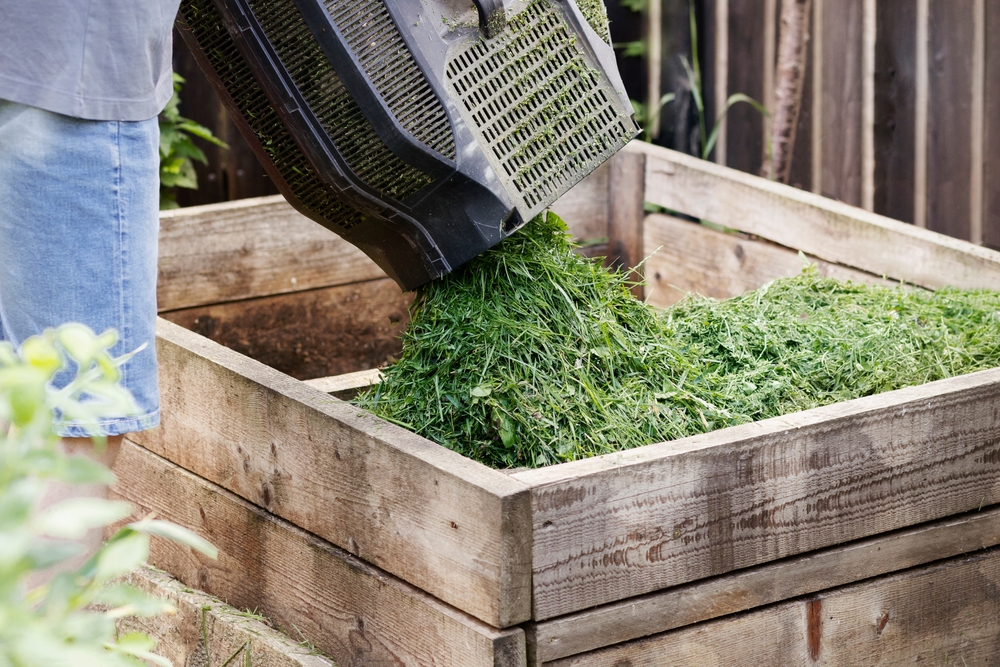
August can turn a garden into a leafy crime scene. Tomatoes have sprawled across paths, zucchini leaves have swallowed nearby plants, spent flowers have piled up, and the hedge suddenly looks like it needs its own postal code. Before stuffing all those clippings into bags for the curb, take a closer look because much of that garden debris can still serve a useful purpose.
Those stems, leaves, grass clippings, and spent plants contain organic material that can return to the garden instead of making a one-way trip out of it. The trick involves knowing which scraps work where, because a diseased tomato vine belongs nowhere near a prized compost pile, while a pile of clean leaves can become garden gold. August cleanup can become less about getting rid of stuff and more about putting useful material in the right place.
1. Turn Healthy Clippings Into Garden Mulch
Clean, disease-free leaves and tender plant trimmings can make excellent mulch when gardeners chop them into smaller pieces first. A handful of leaves scattered around tomatoes, peppers, shrubs, or perennial beds can help cover bare soil and reduce evaporation during hot weather. Larger pieces work less neatly because thick stems and whole leaves can mat together and interfere with water reaching the soil. A lawn mower, hedge shears, or garden scissors can turn bulky material into much more manageable pieces. Keep the mulch a few inches away from plant stems and trunks so moisture does not linger directly against the plant tissue.
Mulch also gives soil organisms a steady supply of organic material as the pieces break down. Grass clippings can join the party, but fresh clippings work best in thin layers because a thick, wet pile can compact and develop an unpleasant odor. Avoid using clippings from lawns treated recently with herbicides unless the product label confirms that the material works safely as garden mulch. Clean garden debris offers an especially convenient option because it requires little more than chopping and spreading. Suddenly, the garden’s messy haircut starts looking like a useful resource.
2. Give the Compost Pile a Fresh Batch of Ingredients
August produces an especially interesting compost mix because gardens supply plenty of fresh, green material at this time of year. Young weeds without seed heads, spent annual plants, vegetable trimmings, and grass clippings can provide nitrogen-rich material for a compost pile. Mix those green ingredients with dry leaves, shredded paper, or other carbon-rich material rather than dumping an enormous heap of fresh clippings in one spot. A good compost pile needs air, moisture, and a mixture of materials, so occasional turning helps keep the pile from collapsing into a slimy lump. Smaller pieces also break down faster because microbes gain more surface area to work on.
Disease deserves special attention when garden cleanup meets composting. Avoid adding plants that show obvious signs of serious disease, such as persistent fungal lesions or systemic wilt, especially when a home compost pile cannot reliably maintain the heat needed to destroy pathogens. Keep perennial weeds with mature seed heads and invasive roots out of ordinary compost unless the composting system reaches conditions that can safely handle them. Healthy annual plants, leaves, and ordinary vegetable scraps offer much safer choices. Compost should smell earthy and pleasant, not like something crawled into a swamp and gave up.
3. Make a Leaf Mold Pile for Future Soil Improvement
August leaves often arrive with a preview of autumn, especially when trees start dropping stressed or damaged foliage early. Clean leaves can go into a separate pile where fungi gradually break them down into leaf mold, a dark, crumbly material that can improve soil structure. Shredding the leaves first speeds decomposition and keeps the pile from forming dense, airless layers. A simple wire enclosure can contain the pile without turning the project into a backyard construction job. The process takes patience, but leaf mold rewards that patience with a useful soil amendment.
Leaf mold does not function like a complete fertilizer, so it should not replace a balanced program when plants need specific nutrients. Instead, it helps add organic matter and can improve the way soil holds moisture while still allowing excess water to move through. Gardeners can work finished leaf mold into beds or spread it around established plants as an organic soil amendment. Avoid collecting leaves from plants with obvious disease problems for this purpose. A pile of ordinary fallen leaves may look like garden clutter now, but later it can become one of the quiet workhorses of the landscape.
4. Create a Brushy Wildlife Corner
Not every garden clipping needs to become mulch or compost, particularly when the material consists of small branches and woody stems. A loose brush pile tucked into an out-of-the-way corner can provide shelter for insects, spiders, birds, and other small wildlife. Stack thicker branches on the bottom and add smaller twigs toward the top, creating gaps rather than packing everything into a solid mound. Choose a location away from buildings, decks, play areas, and other places where dry debris could create a fire or pest concern. Keep the pile modest and stable so wind cannot scatter branches across the yard.
This approach also gives gardeners somewhere useful to put pruned woody material that does not fit neatly into the compost pile. Avoid placing diseased branches or plants known to harbor serious pests into the pile, because the goal involves creating habitat, not creating an insect hostel. Woody debris can slowly break down while the spaces between branches provide cover throughout the process. Even a small pile can add more structure to a garden than a perfectly manicured border ever could. Nature rarely demands spotless landscaping, and August offers an excellent excuse to leave a little room for wildness.
5. Chop Vegetable Plants for the Compost or Soil
Spent vegetable plants can make excellent compost ingredients once the harvest ends, but gardeners should inspect them before grabbing the pruning shears. Healthy bean vines, pea vines, lettuce plants, cucumber leaves, and other finished crops can go into the compost pile after gardeners chop them into smaller pieces. Remove thick stems or cut them into short sections so they do not sit stubbornly intact while everything around them decomposes. Plants with obvious disease symptoms deserve a different fate, because composting them in a backyard pile can spread problems back into the garden later. When in doubt, follow local guidance for disposing of diseased plant material.
Gardeners can also leave certain healthy roots in the soil after removing finished crops, especially when those roots do not interfere with the next planting. Roots contribute organic matter as soil organisms gradually break them down, while removing the aboveground growth keeps the bed ready for another crop. Pulling every last root from the ground often creates unnecessary disturbance when a clean cut at soil level accomplishes the job. This simple cleanup method saves effort and leaves the soil structure more intact. Sometimes the smartest garden chore involves knowing when to stop digging.
6. Use Fine Clippings Around Paths and Bare Spots
Fine plant debris can help cover bare soil in places where traditional mulch does not make sense, including informal paths between garden beds. Chopped leaves and small, clean plant pieces can reduce exposed soil while gradually breaking down. Keep thick layers away from drainage areas and avoid piling organic material where it could become slippery when wet. Gardeners should also avoid using thorny, sharp, or irritating plant material in walking areas unless they want every trip to the garden to become an obstacle course. A little forethought turns leftover debris into a practical ground cover rather than another chore.
This method works particularly well in vegetable gardens where paths accumulate mud, dust, and weeds during the season. Organic material eventually mixes with the surface soil, adding carbon and creating conditions that support soil life as it decomposes. Refresh the layer when it becomes thin, but do not bury existing plants or smother young seedlings. Keep diseased material and invasive weeds out of these areas just as carefully as from compost piles. The best garden cleanup often leaves the landscape looking tidier without removing every useful scrap.
Let the Garden Keep What It Can Use
August clippings do not automatically qualify as garbage simply because they look untidy. Healthy leaves can become mulch, spent plants can become compost ingredients, woody stems can create habitat, and fallen foliage can begin a long transformation into leaf mold. Diseased plants, invasive weeds, and contaminated lawn clippings require more caution, so gardeners should sort debris instead of tossing everything into one giant pile. That small sorting habit can reduce waste while returning valuable organic material to the landscape. The garden may have produced the mess, but it can also provide several excellent places to put it.
What do you usually do with your August garden clippings, and which of these ideas would you try this season?
You May Also Like…
Why Grass Clippings Can Carry Herbicide Into Vegetable Beds
Should You Remove Lower Leaves From Brussels Sprouts?
What Should You Do When Tomato Leaves Curl but Stay Green?
Stop Throwing Away Lawn Clippings: Use “Leaf Litter” as Mulch to Feed Soil and Save Money
7 Frugal Garden Projects to Finish Before Daylight Shrinks

Brandon Marcus is a staff writer for FrugalGardening.com at District Media, Inc., where he delivers practical gardening advice with a relatable, no-nonsense style. An avid amateur gardener, he holds a BA degree and with over ten years of professional writing experience, he is also an award-winning published author whose first book, Questions For Deep Thinkers, was released by Adams Media. His work has appeared in major publications including Fandom.com, CHUD.com, TheColdWire.com, and Fansided.com.
Leave a Reply