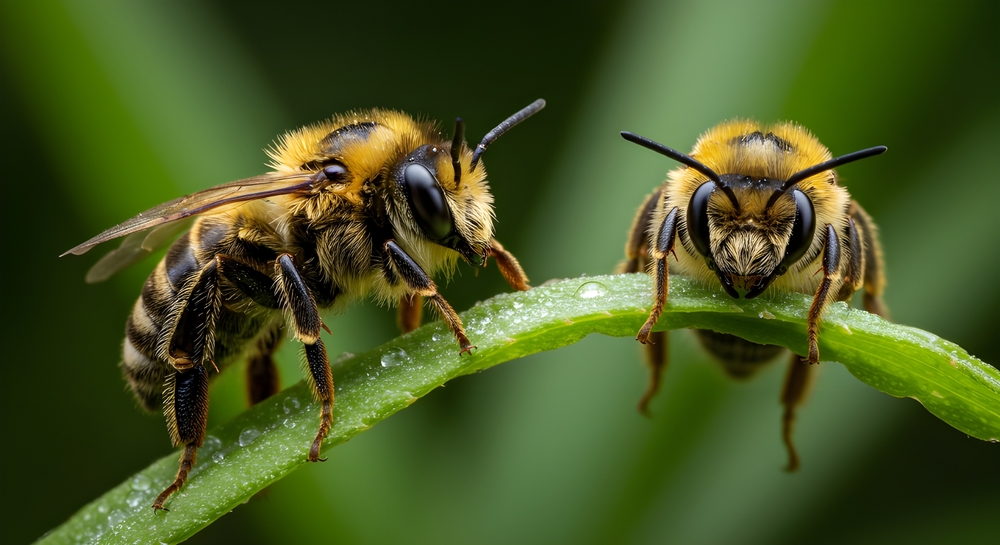
Wasps hovering around garden beds usually have a reason, and the answer often involves food, water, shelter, or a combination of all three. A garden can look like a buffet, a watering hole, and a cozy apartment complex to a wasp, all at the same time.
That does not automatically mean a nest lurks under the nearest leaf. Many wasps visit gardens while hunting caterpillars and other insects, sipping nectar from flowers, collecting water, or searching for a protected place to build. The trick involves figuring out whether the wasps simply pass through as helpful garden visitors or whether they keep returning to a spot that deserves a closer, more cautious look.
Your Garden May Have a Wasp Buffet
One of the biggest reasons wasps hover around garden beds involves the insects living there. Many wasp species hunt caterpillars, aphids, beetle larvae, flies, and other small creatures that gardeners would happily evict from the vegetable patch. A wasp circling tomato plants or cabbage leaves may spend its afternoon searching for prey rather than plotting a garden takeover.
Look closely at the plants that attract the most wasp activity. A few chewed leaves, curled foliage, sticky residue, or clusters of tiny insects can reveal the real reason behind the buzzing visitors. The wasps may simply follow the food chain, and the garden provides the restaurant.
Some wasps also visit flowers for nectar, especially when plants produce abundant blooms. Flowering herbs such as dill, fennel, mint, and oregano can attract a wide range of beneficial insects, including predatory wasps. Those wasps may look intimidating, but many species rarely bother people unless someone grabs, steps on, or disturbs them.
Water and Garden Debris Can Draw Them In
Wasps need water, especially during hot, dry weather, and gardens offer plenty of sneaky little drinking stations. Damp soil, leaky hoses, birdbaths, saucers beneath containers, and recently watered mulch can all provide moisture. A wasp hovering low over a garden bed may search for water rather than food.
That behavior can become especially noticeable after watering, when the soil surface stays damp and the air carries plenty of plant scents. A shallow dish or dripping spigot can turn into a regular stop on a wasp’s daily route. Fixing leaks and keeping water features clean can reduce some activity, although gardeners should never remove every source of water simply because a few wasps visit.
Garden clutter can also create attractive shelter. Dense vegetation, stacked boards, hollow stems, overturned pots, and gaps beneath structures can offer protected spaces for certain wasps to rest or nest. A tidy garden does not need to resemble a showroom, but removing unnecessary debris can make it easier to spot unusual activity before a small issue grows into a much bigger surprise.
Hovering Does Not Always Mean a Nest
A wasp that circles a flower bed, lands briefly on leaves, and disappears may simply forage through the area. Nesting wasps usually show more consistent activity around a particular location, especially if several insects repeatedly enter and leave the same opening. Watch the pattern from a safe distance instead of poking around with a trowel like a backyard detective in a hurry.
Pay attention to cracks beneath eaves, holes in the ground, gaps around sheds, hollow plant stems, and sheltered spaces under decks or garden structures. Some wasps build visible paper nests, while others use underground cavities or existing openings. A steady stream of wasps moving toward one specific spot deserves more caution than a few insects wandering among flowers.
Never seal a suspected nest entrance while wasps remain inside. Blocking the opening can force insects to search for another exit, potentially sending them into a wall, shed, or other unwanted space. If a nest sits near a doorway, play area, frequently used path, or another high-traffic location, professional pest control can provide the safest solution.
The Best Response Depends on the Wasp
Not every wasp deserves the same response, and identifying the insect can prevent unnecessary panic. Slender solitary wasps often hunt garden pests and spend little time defending a shared nest, while social species can become more defensive when people approach their colony. Color alone cannot always provide a reliable identification, so behavior and nest location matter too.
Gardeners should avoid swatting at wasps, trapping them against clothing, or disturbing suspected nests. Slow movements create less trouble than frantic waving, especially when a wasp simply investigates a flower, a sweet drink, or a patch of damp soil. Anyone with a serious sting allergy should take extra precautions around areas with heavy wasp activity and keep emergency medication accessible according to medical advice.
The smartest garden response often involves tolerating wasps that forage peacefully while addressing the conditions that create genuine safety concerns. Remove unnecessary food and water sources, repair leaks, keep ripe fruit from sitting on the ground, and trim vegetation that blocks important walkways. The goal involves creating a garden that supports useful predators without turning the patio entrance into a high-traffic insect runway.
When the Buzzing Deserves a Closer Look
Wasps hovering around garden beds often provide useful clues about what happens inside the garden ecosystem. They may point toward an insect infestation, a dependable nectar source, damp soil, or a hidden shelter that attracts wildlife. In many cases, the wasps themselves create less trouble than the pests they hunt.
Still, repeated activity around one exact location calls for caution. Watch from a distance, look for consistent flight paths, and avoid disturbing any suspected nest. A little observation can reveal whether the garden hosts a few passing hunters or a colony that has chosen a spot far too close to human foot traffic.
What kinds of wasps have you spotted around your garden beds, and did you discover what attracted them? Let’s hear about your experience in the comments.
You May Also Like…
What Is Causing Tiny White Flies to Rise From Your Plants?
9 Backyard Habits That Can Accidentally Invite Pests
Which Plant Pairings Naturally Reduce Pests and Improve Yields
How to Spot Overwintering Insects in Mulch
No‑Mow Flowering Lawns Attract Pollinators and Reduce Maintenance—Here’s How to Start

Brandon Marcus is a staff writer for FrugalGardening.com at District Media, Inc., where he delivers practical gardening advice with a relatable, no-nonsense style. An avid amateur gardener, he holds a BA degree and with over ten years of professional writing experience, he is also an award-winning published author whose first book, Questions For Deep Thinkers, was released by Adams Media. His work has appeared in major publications including Fandom.com, CHUD.com, TheColdWire.com, and Fansided.com.
Leave a Reply