Summer sunlight can turn a vegetable garden into a full-blown solar oven, but not every corner of the yard gets the deluxe sunshine package. Maybe a fence blocks the afternoon rays, a mature tree throws shade across one bed, or a narrow side yard gets only a few hours of direct light. That does not mean the space has to sit empty while weeds hold a garden party.
Several vegetables can produce a worthwhile harvest with less sun, especially when gardeners choose crops that focus on leaves, stems, or roots instead of large fruit. The trick involves matching the plant to the kind of shade available and adjusting expectations a little. A shady corner may not produce a bumper crop of sun-loving tomatoes, but it can become a surprisingly productive spot for crisp greens, tender roots, and cool-season favorites that appreciate a break from summer’s glare.
1. Lettuce Turns Shade Into a Summer Advantage
Lettuce ranks among the easiest vegetables to tuck into a shadier summer location because intense heat often creates more problems than a little missing sunshine. Leaf lettuce can grow with several hours of direct sunlight, while some afternoon shade can help keep the soil and foliage cooler. That matters because hot conditions can encourage lettuce to bolt, sending up a flower stalk and turning the leaves bitter. A spot that receives morning sun and afternoon shade can give lettuce a much more comfortable summer setup.
Choose loose-leaf varieties when possible because they offer flexibility and allow gardeners to harvest outer leaves while the plant continues producing new growth. The soil should drain well and stay evenly moist, since shade does not eliminate the need for regular watering. A simple test helps: watch the proposed planting spot throughout the day and note when direct sunlight actually reaches the soil. If the area receives bright filtered light or several hours of direct sun, lettuce deserves a spot on the shortlist.
2. Spinach Likes a Break From the Heat
Spinach has a reputation as a cool-season crop, and summer heat can make it bolt quickly in sunny locations. A shadier corner can slow that rush toward flowering, especially when the plant receives morning light and protection from the hottest afternoon sun. Gardeners should still choose heat-tolerant varieties when possible and expect summer spinach to grow more slowly than spring crops. Fresh leaves taste best when harvested young and regularly.
Plant spinach in fertile soil with good drainage, then keep moisture consistent as temperatures rise. Crowded plants can struggle with airflow, so give seedlings enough room for leaves to dry after watering or rain. A shaded bed also needs careful observation because damp conditions can linger longer than they do in full sun. If the soil stays soggy, move spinach to a brighter, better-drained spot because shade never excuses poor drainage.
3. Radishes Can Make Good Use of Shorter Sun
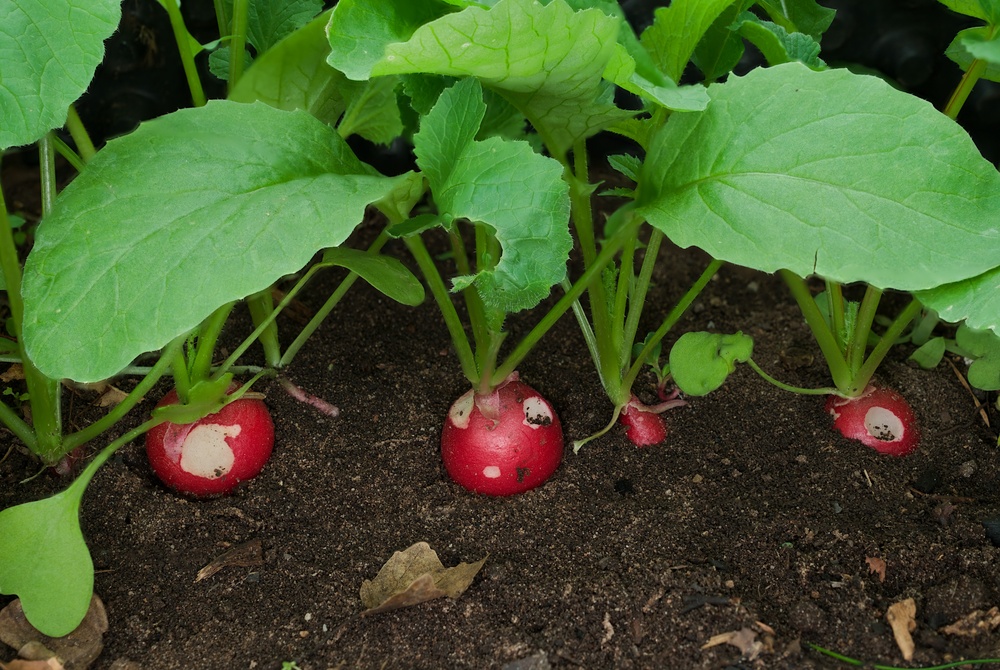
Radishes grow quickly and do not need a long season of blazing sunshine to produce edible roots. A bright location with partial shade can work well, particularly during hot weather when excessive heat may lead to poor root quality or a sharp, overly spicy flavor. Gardeners can sow small batches every few weeks instead of planting an entire packet at once. That approach turns a shady corner into a rotating supply of crunchy snacks rather than one giant radish traffic jam.
Loose, stone-free soil gives the roots room to develop, while compacted ground can create misshapen results. Keep the bed evenly moist, because dramatic swings from dry soil to heavy watering can cause problems with root development. Radishes also make excellent companions for slower-growing crops because their quick harvest frees space before larger plants need it. Just remember that heavy shade can slow growth, so patience may need to join the gardening toolbox.
4. Beets Can Work With Less Than Full Sun
Beets offer gardeners a useful two-for-one harvest because the roots provide food while the young greens can also go into salads, sautés, and soups. They generally perform best with plenty of sunlight, but a bright spot with partial shade can still produce respectable results. The roots may develop more slowly when the plants receive less light, yet slower growth does not automatically mean failure. In a summer garden, that extra time can sometimes help the crop avoid the worst of intense heat.
Prepare the soil carefully before sowing because beet roots dislike obstacles such as stones and hard clumps. Beet seeds also contain multiple embryos, so one seed cluster can produce several seedlings that need thinning after emergence. Gardeners should not toss those young greens into the compost bin automatically because tender thinnings can become part of a salad. Consistent moisture helps the roots develop evenly, while waterlogged soil can invite trouble.
5. Swiss Chard Brings Color and Patience
Swiss chard makes a particularly useful choice for a garden corner that receives bright light but not full-day sun. The plants can produce leafy harvests in partial shade, although less light may slow growth compared with a sunnier position. Unlike a crop that must mature all at once, chard offers a flexible harvest because gardeners can remove the outer leaves while leaving the central growing point intact. That makes it handy for small gardens where every square foot needs to earn its keep.
Choose a spot with decent airflow and soil that drains well, then harvest leaves regularly once the plants establish themselves. Shadier conditions can keep the foliage from drying as quickly, so gardeners should avoid watering on a rigid schedule without checking the soil first. If the top layer still feels moist, the plants may not need another drink yet. A little observation prevents the classic summer gardening mistake of treating every plant like it lives in a desert.
A Shady Corner Can Still Pull Its Weight
The biggest mistake involves treating every garden space as if it needs to grow tomatoes, peppers, or cucumbers to count as productive. Leafy greens and root crops often make much better candidates for areas with partial shade, especially when gardeners match each crop to the available light and keep the soil in good condition. Morning sun followed by afternoon shade can offer a useful balance during hot weather. Bright filtered light can also support certain crops, although deep, constant shade limits vegetable production considerably.
Which vegetable has performed best in the shadiest part of the garden, and what growing trick helped make it work?
You May Also Like…
How to Build a Low-Cost Shade Setup for July Vegetables
5 Reasons Tabletop Vegetable Gardens Work Well for Renters
Why Grass Clippings Can Carry Herbicide Into Vegetable Beds
7 Garden Crops That Benefit From a Second Sowing
10 Vegetables That Give the Best Return for Small Gardens

Brandon Marcus is a staff writer for FrugalGardening.com at District Media, Inc., where he delivers practical gardening advice with a relatable, no-nonsense style. An avid amateur gardener, he holds a BA degree and with over ten years of professional writing experience, he is also an award-winning published author whose first book, Questions For Deep Thinkers, was released by Adams Media. His work has appeared in major publications including Fandom.com, CHUD.com, TheColdWire.com, and Fansided.com.
Leave a Reply