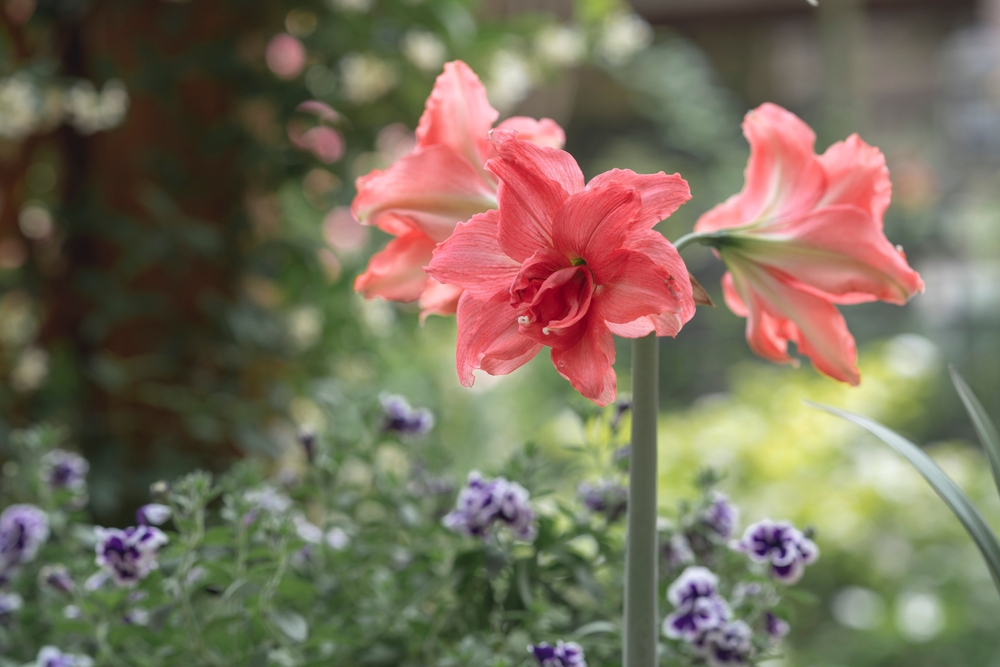
Believe it or not, it is not necessarily too early to prepare amaryllis for a winter bloom, but rushing the process can create more problems than flowers. The trick involves giving the bulb enough time to finish its summer growth before asking it to put on its winter floral spectacular.
That timing matters because amaryllis bulbs need a rest period before they produce another round of flowers. Start the process too soon, and the bulb may not have stored enough energy; wait too long, and the calendar can get annoyingly close to Christmas before the flowers arrive. A little seasonal planning can turn an ordinary bulb into a dramatic indoor centerpiece just when the garden outside looks decidedly sleepy.
Let the Bulb Finish Its Summer Job
Amaryllis does not spend summer sitting around waiting for fall like a bulb with nothing better to do. After flowering, its green leaves gather energy through photosynthesis and send those resources into the bulb, where the plant stores them for future growth and flowers. Those leaves may look a little unruly, but cutting them off prematurely can reduce the energy available for the next blooming cycle.
Keep the plant growing while the foliage remains healthy and green, giving it bright light and regular watering when the soil begins to dry. A balanced fertilizer during the growing season can also support foliage and bulb development, particularly for plants growing in containers. Think of summer as the bulb’s savings season, because every healthy leaf contributes to the reserves that help produce those spectacular trumpet-shaped flowers later.
The Fall Reset Starts With a Slow Goodbye
As fall approaches, gradually reduce watering rather than treating the plant like a light switch and suddenly shutting everything down. When the foliage naturally begins to yellow and decline, stop watering and allow the leaves to finish their job before removing them. Gardeners who grow amaryllis outdoors should bring containers inside before frost threatens, because freezing temperatures can damage the bulb.
For a winter forcing schedule, gardeners often begin the resting period roughly eight to twelve weeks before they want flowers. Place the dormant bulb somewhere cool, dark, and dry, and keep it away from moisture during this resting period. The bulb does not need a spa treatment during dormancy, and watering it can encourage premature growth or create conditions that invite rot.
Want Christmas Flowers? Work Backward
The easiest way to decide whether August or September feels too early involves picking the approximate bloom date first. If flowers should appear around the holidays, count backward about eight to twelve weeks for the rest period, then allow additional time for the bulb to wake up and develop its flower stalk. That backward approach works much better than staring at the calendar and wondering whether the bulb has received enough “fall vibes.”
Once the resting period ends, inspect the bulb before potting it up again. A healthy bulb should feel firm rather than soft or mushy, and it should not show obvious signs of decay or spreading mold. Pot it with fresh, well-draining potting mix, leave the upper portion of the bulb exposed rather than burying it completely, and give it a thorough watering to restart growth.
Give the Waking Bulb a Bright Start
After its rest, an amaryllis bulb needs warmth and bright light to get moving again. Place the newly potted bulb in a bright location, and water carefully rather than keeping the soil constantly soggy. Too much water at this stage creates a particularly unpleasant situation because the bulb wants moisture, but its roots also need air around them.
Once new growth appears, continue providing bright light and rotate the pot occasionally if the flower stalk leans toward the window. A tall flower stalk can become top-heavy as the buds develop, so a simple support stake can prevent an impressive bloom display from performing an unexpected face-plant. Water when the potting mix begins to dry, and remember that the bulb needs consistent care without sitting in a puddle.
An Early Start Can Actually Backfire
The biggest mistake involves assuming that an earlier start automatically guarantees earlier flowers. Amaryllis needs time to complete its growth cycle, and forcing dormancy before the plant has finished storing energy can leave the bulb with fewer resources for its next performance. Healthy leaves deserve patience, even when the gardener desperately wants to move on to the fun part.
Another common mistake involves putting a dormant bulb somewhere warm and watering it because it looks lonely. Resist the urge, because dormancy works best when the bulb remains cool, dry, and undisturbed until the planned restart date. The goal does not involve making the bulb grow as quickly as possible; the goal involves giving it the right sequence of growth, rest, and renewal.
The Best Winter Bloom Starts With Patience
Preparing amaryllis for winter bloom can begin before fall arrives, but preparation does not mean immediately forcing the bulb into dormancy. Let the plant finish its leafy growing season, then gradually reduce water as the foliage naturally declines. After a suitable resting period, repot the firm, healthy bulb and return it to warmth, bright light, and careful watering.
For gardeners planning a specific holiday display, the calendar provides the best guide. Work backward from the desired bloom date and allow roughly eight to twelve weeks for dormancy, remembering that individual bulbs can vary in how quickly they wake up and flower. With the right timing, an amaryllis bulb can turn a dark winter windowsill into a remarkably cheerful flower show, which makes all that waiting feel pretty worthwhile.
What time of year do you start your amaryllis rest period, and have you ever managed to coax one into bloom right around the holidays?
You May Also Like…
8 Plants That Add Structure After Summer Flowers Begin Fading
8 Edible Flowers That Can Bridge the Gap Between Summer and Fall
7 Muted Flower Colors Showing Up in Modern Summer Borders
12 Bulbs You Can Force Indoors for Blooms Before Valentine’s Day
The Winter Sowing Method: Why You Should Start Your Garden in the Snow

Brandon Marcus is a staff writer for FrugalGardening.com at District Media, Inc., where he delivers practical gardening advice with a relatable, no-nonsense style. An avid amateur gardener, he holds a BA degree and with over ten years of professional writing experience, he is also an award-winning published author whose first book, Questions For Deep Thinkers, was released by Adams Media. His work has appeared in major publications including Fandom.com, CHUD.com, TheColdWire.com, and Fansided.com.
Leave a Reply