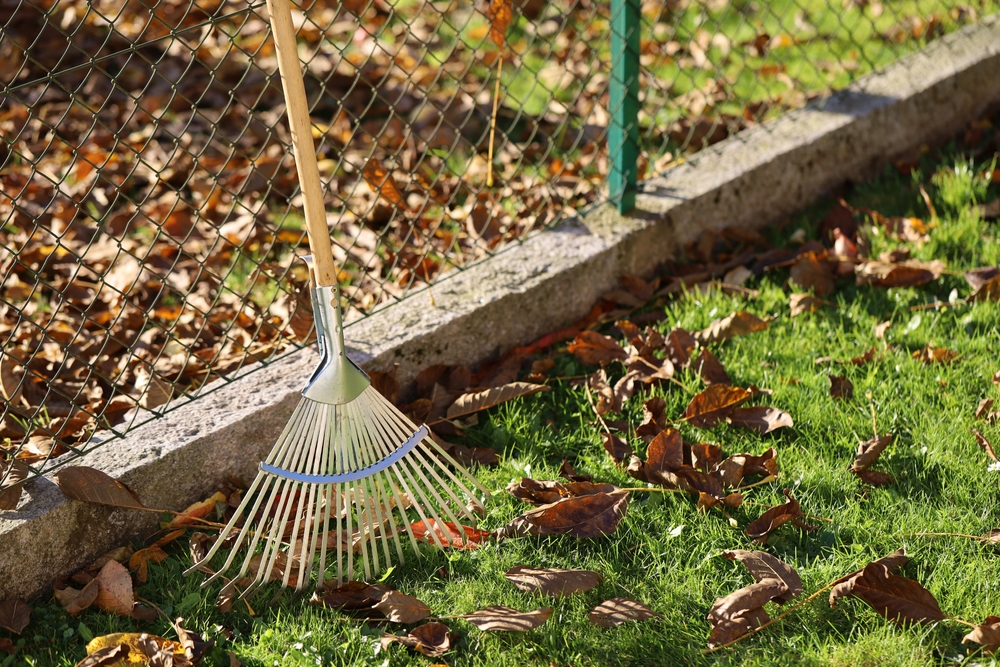
Every fall, the same frustrating scene plays out in neighborhoods across America. Your neighbor has a beautiful, towering oak tree, but somehow you’re the one spending every weekend raking up its leaves. You didn’t plant the tree, you don’t own it, and you certainly didn’t volunteer to become its personal cleanup crew.
So, can you make your neighbor clean up the mess?
Unfortunately, the answer might not be what frustrated homeowners want to hear. In most situations, neighbor’s tree leaves in your yard become your responsibility once they land on your property, even when the tree itself belongs to someone else.
According to the American Bar Association, ordinary leaves blowing from a neighboring tree generally aren’t considered grounds for a successful legal nuisance claim.
However, there are some important exceptions, and understanding the rules could save you money, prevent neighborhood disputes, and help you avoid making an expensive mistake.
The Law Usually Says the Leaves Are Your Problem
It might seem unfair, but homeowners generally cannot demand that neighbors rake up leaves that naturally fall onto their property. The City of Hillsboro, Oregon, explains that naturally falling leaves and other tree debris are ordinarily the responsibility of the property owner where they land. This principle is common across the United States, although local ordinances and state laws can create exceptions. Imagine having three large maple trees next door that deposit dozens of bags of leaves onto your lawn every autumn. Even though your neighbor owns every tree, you generally remain responsible for cleaning the leaves that accumulate on your side of the property line.
You Usually Can’t Force Your Neighbor to Pay for Cleanup
Hiring a landscaping company to remove fallen leaves can become expensive, particularly when the cleanup requires several visits throughout autumn. However, the fact that the leaves originated from someone else’s tree generally doesn’t make that person financially responsible. Naturally occurring leaf fall typically doesn’t create the type of interference necessary to establish a successful nuisance claim. That means sending your neighbor a bill for professional leaf removal probably won’t accomplish much unless you have a separate agreement or unusual legal circumstances. Before spending money on an attorney or threatening legal action, check your local regulations and consider whether a cooperative solution would be more practical.
Blowing Leaves Into Your Yard Is a Different Situation
There’s an important difference between leaves falling naturally and someone deliberately dumping yard waste onto another person’s property. Intentionally blowing or depositing leaves onto neighboring land may support a nuisance claim under certain state laws. For example, your neighbor generally isn’t responsible when autumn winds carry leaves across the fence, but deliberately directing a leaf blower toward your yard creates a different set of circumstances. The City of Hillsboro specifically advises residents against blowing large amounts of leaves and debris onto neighboring properties. If this happens repeatedly, document the incidents and check local ordinances before deciding whether to involve an HOA, code enforcement office, or attorney.
You May Be Allowed to Trim Overhanging Branches
If your neighbor’s tree leaves in your yard are coming from branches hanging directly over your property, you may have another option. The Texas State Law Library explains that property owners generally have the right to trim branches extending across their property line, subject to important restrictions. However, you typically cannot cut beyond the boundary, trespass onto your neighbor’s property, or prune so aggressively that you seriously damage or kill the tree. Some municipalities also protect particular tree species or require permits before substantial pruning can occur. Before hiring someone to cut large limbs, consider consulting a certified arborist and reviewing local regulations to avoid turning a leaf problem into a costly legal dispute.
Dangerous Trees Can Change Who Is Responsible
Ordinary falling leaves are one thing, but a dead or dangerously deteriorating tree presents a much more serious concern. Property owners may be liable for damage caused by falling trees when negligence can be established. For example, a neighbor who knows a tree is dangerously decayed but fails to address the hazard could face different legal consequences than someone whose healthy tree simply sheds leaves. The important distinction is whether the owner knew or reasonably should have known about a dangerous condition and failed to take appropriate action. If you notice large dead limbs, significant trunk decay, or other concerning damage, document the condition and communicate your concerns in writing rather than attempting to remove the tree yourself.
Your HOA May Have Additional Landscaping Rules
Homeowners living in communities governed by homeowners associations may encounter another layer of regulations concerning tree maintenance and yard cleanup. HOA covenants and local ordinances can place restrictions on tree pruning, removal, and other landscaping activities. Some associations also establish property maintenance standards requiring residents to remove excessive yard debris or keep sidewalks clear. However, an HOA rule requiring clean yards doesn’t automatically mean your neighbor must collect leaves that naturally fall onto your property. Review your community’s governing documents before filing a complaint, especially if you’re considering trimming a tree near a shared property boundary.
You Could Save Money by Leaving Some Leaves Alone
Here’s an unexpected benefit of dealing with your neighbor’s tree leaves in your yard: not every fallen leaf needs to be hauled away. The City of Charlotte recommends mulching dry leaves with a lawn mower, composting them, or using them as protective material in garden beds. Shredded leaves can help return organic matter to the soil while reducing the need to purchase commercial mulch. However, thick layers of whole leaves shouldn’t be allowed to smother turfgrass, and leaves should be cleared from walkways, drains, and other areas where they create hazards. Instead of paying for repeated yard waste pickups, consider using part of your neighbor’s annual leaf supply to improve your garden soil for free.
Don’t Dump the Leaves Back Over the Fence
When homeowners get frustrated, they sometimes decide the easiest solution is returning the leaves to the person who owns the tree. Unfortunately, deliberately throwing or blowing collected leaves onto someone else’s property can create a separate dispute and may violate local regulations.
Here in NC, there are certain guidelines made public. The City of Hillsboro specifically discourages residents from throwing collected leaves and branches back onto neighboring properties. Similarly, the City of Raleigh warns against placing leaves in streets because they can clog storm drains and contribute to flooding. The safer approach is to compost the material, use it as mulch, or follow your community’s approved yard waste collection procedures.
A Friendly Conversation Could Save Everyone Money
Dealing with a neighbor’s tree leaves in your yard can be frustrating, especially when cleanup takes hours every weekend or requires paying a landscaping company. However, most homeowners are responsible for naturally fallen leaves on their own property, regardless of where the tree is growing. Rather than allowing resentment to build, consider asking your neighbor whether they’d be willing to coordinate cleanup, share equipment, or split the cost of a landscaping service. A cooperative arrangement may accomplish more than legal threats, particularly when the tree itself is healthy, and the only real problem is seasonal debris.
Do you think homeowners should be responsible for cleaning up leaves from their neighbors’ trees, or should the person who owns the tree have to help? Share your thoughts in the comments.
What to Read Next
Why Volcano Mulching Can Damage Trees Before Winter
Before You Pay Someone to Remove a Tree, Ask These 5 Questions
Leave a Reply