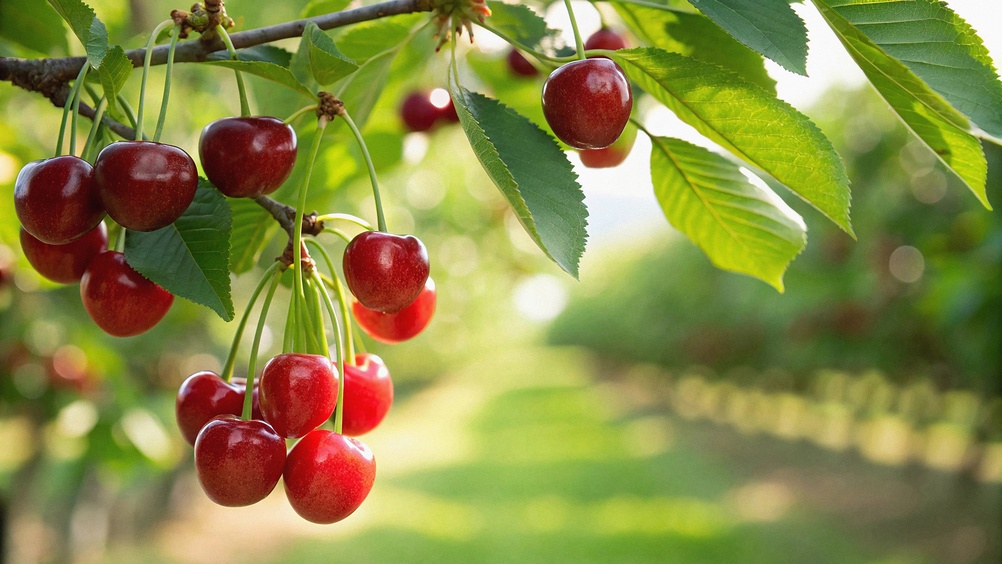
Nothing frustrates a gardener quite like spotting beautiful fruit one evening, then walking outside after a rainstorm to find it covered in ugly cracks. Tomatoes split down the sides, cherries burst open, and plums suddenly wear deep scars that invite insects and disease. A harvest that looked picture-perfect can change overnight.
Fruit rarely splits for mysterious reasons. Plants usually react to sudden changes in moisture, temperature, or growing conditions. A few simple habits can dramatically reduce the problem, helping more fruit reach the kitchen instead of the compost pile. Timing matters, consistency matters, and a little planning often makes all the difference.
1. Water Consistently Instead of Playing Catch-Up
Fruit splits because the inside grows faster than the skin can stretch. That often happens after dry soil suddenly receives a soaking rain or a heavy watering. The roots absorb moisture at full speed, the fruit swells almost immediately, and the skin simply cannot keep up. Tomatoes, cherries, grapes, figs, and plums all react this way when moisture levels swing wildly. A steady watering schedule keeps growth even and greatly reduces the chance of dramatic cracking.
Deep watering once or twice each week usually works better than frequent shallow sprinkling because it encourages stronger root systems. Check the soil several inches below the surface before reaching for the hose instead of watering on a strict calendar. During stretches of hot weather, containers may need attention every day because potting mix dries much faster than garden soil. A drip irrigation system or soaker hose also delivers moisture gradually instead of flooding the root zone. The goal stays simple: avoid dramatic swings between bone dry soil and soaking wet ground.
2. Mulch Like It Actually Matters
Mulch often receives attention for weed control, but it also acts like a protective blanket for the soil. A layer of shredded leaves, straw, untreated wood chips, or compost slows evaporation and keeps moisture levels much more stable between watering sessions. Stable soil moisture means fruit develops at a more even pace with less stress.
Spread two to three inches of mulch around plants while leaving a small gap around stems and trunks to discourage rot. Fresh mulch also keeps soil cooler during scorching afternoons, reducing additional stress on ripening fruit. After heavy rain, mulched beds absorb water more gradually instead of creating dramatic moisture swings. That simple layer saves watering time while helping fruit stay intact all season long.
3. Pick Fruit Before the Next Big Storm
Gardeners often wait for absolute perfection, but Mother Nature rarely checks the calendar. Weather forecasts offer one of the best tools for preventing split fruit. If a major rainstorm approaches and tomatoes, cherries, peaches, or plums look nearly ready, harvesting them a little early often protects quality.
Tomatoes continue ripening indoors with excellent flavor once they begin showing their mature color. Many tree fruits also finish developing beautifully after harvest if they have already reached the proper stage of maturity. Leaving vulnerable fruit outside during several inches of rain simply gives nature another opportunity to cause damage. A basket of slightly early fruit almost always beats a tree full of cracked fruit covered in ants and wasps.
4. Give Plants Plenty of Room to Breathe
Dense foliage traps humidity around ripening fruit, and stressed plants often respond poorly when weather suddenly changes. Good air circulation helps leaves dry faster after rain while encouraging healthier overall growth. Healthy plants generally produce stronger fruit with tougher skins.
Prune tomato suckers carefully, remove damaged branches, and avoid allowing vines or tree canopies to become tangled jungles. Proper spacing between plants also allows sunlight to reach developing fruit more evenly throughout the day. Air movement reduces several fungal diseases that often invade cracked fruit before harvest. Cleaner plants usually reward gardeners with cleaner harvests.
5. Feed Plants Without Overdoing Nitrogen
Fertilizer helps produce healthy plants, but too much nitrogen encourages rapid leafy growth that sometimes creates problems during fruit production. Plants growing at top speed often become more sensitive when watering patterns suddenly change. Balanced nutrition keeps fruit developing steadily rather than racing through growth spurts.
Switch to a fertilizer formulated for flowering and fruit production once blossoms begin appearing. Compost also provides a slow, gentle source of nutrients that supports long-term growth instead of creating dramatic bursts of activity. Follow label directions carefully because extra fertilizer rarely creates extra harvests. Healthy, balanced plants generally produce fruit with better texture, richer flavor, and fewer disappointing cracks.
6. Choose Varieties Known for Crack Resistance
Not every fruit variety reacts the same way when weather becomes unpredictable. Plant breeders have spent years selecting tomatoes, cherries, grapes, and other fruits with skins that better resist splitting after rain. While no variety stays completely immune, some clearly perform better than others.
Seed catalogs and nursery tags often mention crack resistance right alongside disease resistance. That little detail deserves attention before planting season begins. Gardeners who regularly battle summer thunderstorms can save themselves plenty of frustration simply by choosing varieties bred for changing conditions. Starting with resilient plants gives every other gardening habit an even better chance of success.
A Harvest Worth Protecting
Growing fruit always involves a little cooperation with nature, but smart gardeners stack the odds in their favor. Consistent watering, protective mulch, careful harvesting, balanced feeding, good airflow, and thoughtful variety selection work together to keep fruit attractive and delicious. None of these techniques require expensive equipment or complicated tricks, yet each one solves a common cause of splitting before it ruins the harvest.
Gardens rarely deliver perfect seasons, and an occasional cracked tomato or cherry will always appear. The difference comes from reducing the number of disappointments instead of accepting them as inevitable. A little preparation before the next rainstorm can mean the difference between baskets full of beautiful fruit and a cleanup job that attracts every insect in the neighborhood.
Which tip has made the biggest difference in preventing split fruit in the garden, or does another favorite trick deserve a spot on the list?
You May Also Like…
5 Vegetables That Can Handle a Shadier Summer Corner
5 Reasons Tabletop Vegetable Gardens Work Well for Renters
7 Plants That Create a Calming Garden With Subdued Colors
Can AI Plant Apps Diagnose Garden Problems Accurately?

Brandon Marcus is a staff writer for FrugalGardening.com at District Media, Inc., where he delivers practical gardening advice with a relatable, no-nonsense style. An avid amateur gardener, he holds a BA degree and with over ten years of professional writing experience, he is also an award-winning published author whose first book, Questions For Deep Thinkers, was released by Adams Media. His work has appeared in major publications including Fandom.com, CHUD.com, TheColdWire.com, and Fansided.com.
Leave a Reply