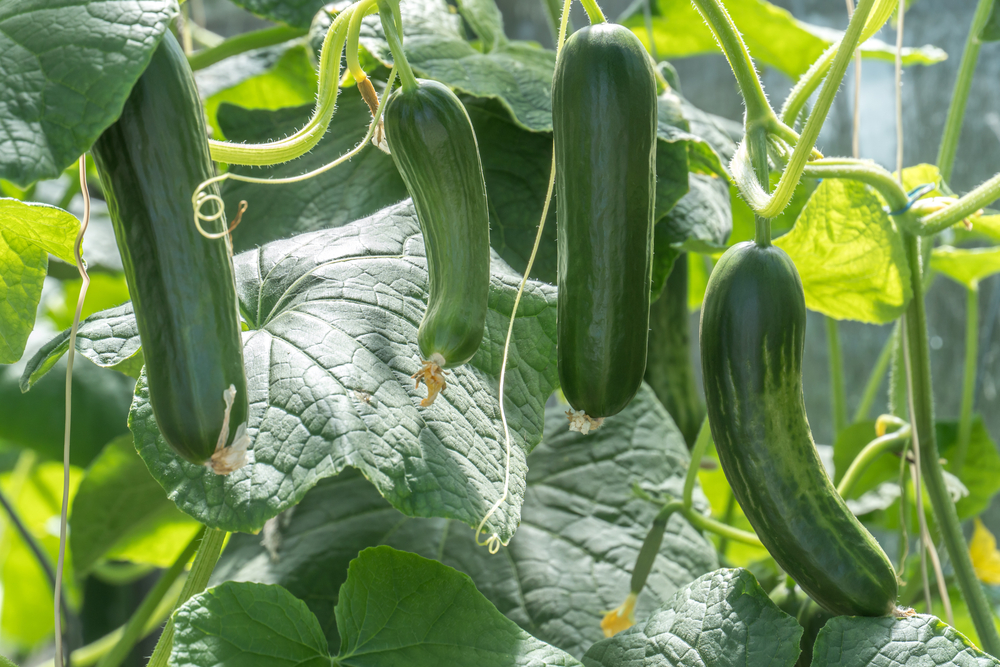
Zucchini fruit that shrivels before it grows usually points to a problem with pollination, water, pests, or plant stress. The tiny squash may look promising one day, then turn yellow, wrinkle, and drop off before it reaches anything close to harvest size.
That frustrating little zucchini failure can make a gardener question everything from the soil to the weather. Fortunately, the plant often leaves clues. A shriveled fruit usually tells a story, and once the cause becomes clear, the fix often involves a few practical changes rather than a complete garden overhaul.
Poor Pollination Can Stop a Tiny Zucchini Cold
The most common culprit involves pollination, especially when the zucchini starts growing normally for a short time and then shrivels at the blossom end. Zucchini plants produce separate male and female flowers, and the female flowers carry the tiny developing fruit behind the blossom. Bees and other pollinators need to move pollen from the male flower to the female flower for that fruit to keep developing. When the transfer fails, the baby zucchini may yellow, wrinkle, and fall away from the plant. A garden can have plenty of flowers and still suffer from poor pollination if rainy weather, extreme heat, pesticide use, or a lack of pollinator activity interferes.
A quick look at the flowers can reveal what happens. The male flower grows on a slender stem, while the female flower sits above the miniature zucchini, which makes the difference fairly easy to spot once someone knows what to look for. If pollinators rarely visit the garden, hand-pollination can help by transferring pollen from the center of a fresh male flower to the sticky center of a female flower. A small artist’s brush or cotton swab can also move pollen between flowers. Gardeners should perform this task early in the day, when zucchini flowers typically open and pollen remains fresh.
Water Stress Can Turn Healthy Fruit Into a Wrinkled Mystery
Zucchini plants grow quickly, which means they need a steady supply of moisture during flowering and fruit development. A plant that swings from bone-dry soil to heavy watering can struggle to support developing fruit, especially during hot, windy weather. The plant may keep producing flowers while small zucchini fruits shrivel because the roots cannot consistently supply the water the foliage and fruit require. Dry soil several inches below the surface offers a stronger clue than a quick glance at the top layer. If the soil feels dry below the surface, the plant may need a deeper watering session rather than a light sprinkle.
Watering habits matter just as much as the amount of water. A soaker hose or slow watering at the base of the plant can send moisture toward the roots while keeping the leaves drier. A layer of organic mulch around the plant can reduce evaporation and help the soil maintain more even moisture, but the mulch should not press directly against the main stem. Gardeners should also check containers and raised beds more frequently because those growing spaces can dry out faster than garden soil. A zucchini plant does not need a daily puddle, but it does need consistent moisture instead of a dramatic cycle of drought followed by rescue watering.
Squash Vine Borers and Other Pests Can Sabotage the Plant
Sometimes the shriveling fruit represents a symptom of a larger problem below the leaves. Squash vine borers can damage the stems of zucchini and other squash plants, interfering with the plant’s ability to move water and nutrients. Look for sudden wilting, small holes near the base of the stem, or sawdust-like material mixed with plant debris around the stem. The adult moth resembles a wasp, which makes this pest particularly sneaky because it does not look like the typical garden moth. A damaged stem can leave the plant struggling to support new fruit even when the leaves initially look healthy.
Other pests can create different clues. Squash bugs may gather around stems and leaves, while cucumber beetles can damage foliage and spread bacterial wilt, which can cause rapid decline. Regularly checking the undersides of leaves and the lower portions of stems helps catch trouble before the plant loses momentum. Remove heavily infested plant material when practical, and avoid spraying insecticides indiscriminately because broad-spectrum products can also harm pollinators that zucchini flowers need. A quick inspection every few days often beats a frantic search after the entire plant starts looking miserable.
Plant Stress Can Make Zucchini Abort Developing Fruit
Zucchini plants can also drop or shrivel young fruit when growing conditions become difficult. Extreme heat, cold snaps, poor soil drainage, root damage, and overcrowding can all place stress on the plant. Too much nitrogen can encourage huge leaves at the expense of balanced flowering and fruit production, while compacted or waterlogged soil can restrict the roots. A plant that looks like a giant green jungle but produces disappointing fruit may need a closer look at its growing conditions. Zucchini likes fertile soil, good drainage, regular moisture, and plenty of sunlight, but more fertilizer does not automatically mean more zucchini.
Crowding can create its own set of problems. Large zucchini leaves can shade nearby plants, reduce airflow, and make it harder to inspect flowers and stems. Poor airflow can also encourage disease, particularly when foliage stays wet for long periods. Gardeners should remove badly damaged leaves when appropriate, keep the growing area reasonably open, and avoid disturbing the roots unnecessarily. If the plant continues producing healthy flowers and the tiny fruits remain firm and green, the growing conditions probably support recovery.
The Shrivel Is a Clue, Not a Gardening Verdict
When a baby zucchini shrivels, start with the fruit and work backward. A fruit that begins normally and then yellows or collapses often points toward incomplete pollination, while sudden plant wilting or stem damage raises more concern about pests or root problems. Dry soil suggests inconsistent moisture, and excessive foliage with weak fruit production may point toward an imbalance in growing conditions. The timing and appearance of the problem can provide more useful information than simply adding fertilizer and hoping for a miracle. In gardening, clues beat guesswork.
The best response involves a short inspection rather than a panic attack with a watering can. Check the flowers, feel the soil, examine the stem, inspect the undersides of the leaves, and look for signs of chewing insects or disease. Encourage pollinators with a diverse garden and avoid unnecessary pesticide use around open flowers. With better pollination, steady moisture, and regular pest checks, many zucchini plants return to producing the long, green harvests that make gardeners wonder why anyone ever plants just one.
Have zucchini fruits ever shriveled before they could reach harvest size, and what ended up causing the problem in your garden? Share your experience in the comments.
You May Also Like…
5 Reasons Tabletop Vegetable Gardens Work Well for Renters
Can Reflective Mulch Improve Harvests in Small Vegetable Beds?
Why Are Your Eggplants Flowering Without Making Fruit?
How to Build a Low-Cost Shade Setup for July Vegetables
SNAP Benefits Can Buy Seeds—How Families Can Turn Food Assistance Into Fresh Produce

Brandon Marcus is a staff writer for FrugalGardening.com at District Media, Inc., where he delivers practical gardening advice with a relatable, no-nonsense style. An avid amateur gardener, he holds a BA degree and with over ten years of professional writing experience, he is also an award-winning published author whose first book, Questions For Deep Thinkers, was released by Adams Media. His work has appeared in major publications including Fandom.com, CHUD.com, TheColdWire.com, and Fansided.com.
Leave a Reply