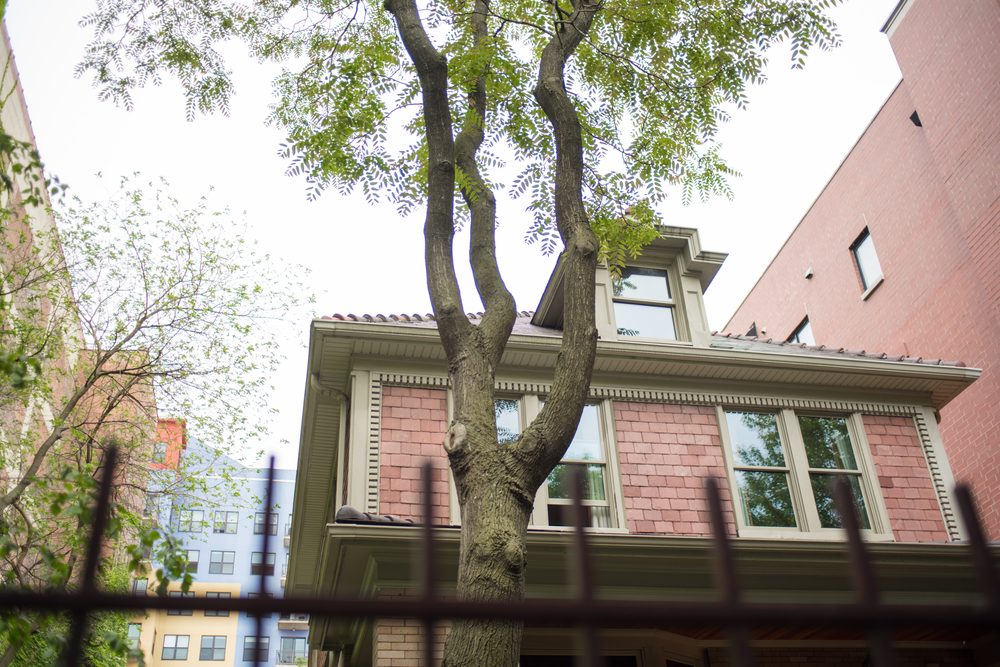
That $20 tree sitting outside the garden center might look like the perfect bargain for your yard. It’s small enough to fit in your trunk, promises beautiful shade, and seems like an inexpensive way to improve your landscaping. But plant it in the wrong spot, and that innocent-looking sapling could eventually contribute to cracked pavement, damaged sewer lines, or costly problems around your home’s foundation.
The problem isn’t necessarily the tree itself. It’s where homeowners decide to plant it without considering how large it will become.
Planting trees too close to your house is a landscaping mistake that may not reveal its consequences for another 10 or 20 years. According to Mississippi State University Extension, improper tree placement can damage homes, sidewalks, and other structures while creating potential safety hazards.
Before bringing home another bargain tree, here’s what homeowners should understand about the hidden costs of poor planting decisions.
That Small Tree Won’t Stay Small Forever
One of the easiest mistakes to make at a garden center is judging a tree by its current size rather than its mature dimensions. A sapling that’s only four feet tall today could eventually develop a canopy stretching dozens of feet across your yard. The University of Florida IFAS Extension recommends considering a tree’s mature height and canopy spread before choosing a planting location. For example, a tree with a mature canopy width of 40 feet could eventually extend branches approximately 20 feet from its trunk. That makes the narrow planting strip between your house and driveway a potentially expensive location for a tree that looks perfectly manageable today.
Tree Roots Can Create Expensive Problems Underground
Many homeowners assume tree roots grow straight downward, but most actually spread horizontally through relatively shallow soil. Most roots occupy the upper two feet of soil and can extend well beyond the tree’s canopy. As roots grow thicker, they may lift nearby sidewalks, disturb pavement, or create problems around vulnerable structures. However, roots generally don’t break through sound concrete foundations simply because a tree is nearby. Roots are more likely to exploit existing cracks, openings, or weakened areas where moisture is available.
Your Sewer Line Could Become a Target
One of the more expensive consequences of planting trees too close to your house involves underground plumbing. Tree roots naturally seek moisture, making leaking sewer pipes and damaged joints attractive places for root growth. Aggressive root systems planted near sewer or septic lines can contribute to blockages and wastewater backups. Imagine discovering that an older sewer pipe has developed a small leak, allowing nearby roots to enter and gradually obstruct the line. Depending on the location and severity of the problem, repairs could involve professional drain cleaning, excavation, or replacement of damaged plumbing.
Branches Can Damage Your Roof and Siding
Roots aren’t the only concern when a tree grows too close to a building. Over time, expanding branches may rub against siding, scrape roofing materials, or extend over gutters where leaves and debris accumulate. Allowing enough distance between mature tree branches and a home’s exterior is crucial. During strong winds or storms, large limbs growing over a roof can create an additional risk of property damage. What started as a $20 landscaping improvement may eventually require professional pruning simply to keep branches from interfering with the house.
Some Trees Are Riskier Than Others
Not every tree presents the same risks, which is why choosing the right species matters just as much as choosing the right location. Willows, poplars, elms, and certain maples are among trees with aggressive root systems that should be avoided near septic drain fields. Fast-growing trees can also develop large canopies relatively quickly, sometimes requiring more frequent maintenance than homeowners anticipated. Faster-growing trees are often more susceptible to breakage and may require additional pruning. Before buying a tree because it’s inexpensive or grows quickly, research its mature size, growth habits, and suitability for your particular property.
How Far Should You Plant a Tree From Your House?
There isn’t one universal planting distance that works for every tree species and every home. However, placing trees at least half their mature canopy width away from buildings is a general guideline. That means a tree expected to develop a 50-foot-wide canopy would typically need approximately 25 feet of clearance from the house. Smaller ornamental trees may fit into tighter spaces, but homeowners still need to consider roots, foundations, walkways, and overhead utility lines. Before digging, contact 811 to have underground utilities marked and check for privately owned sewer or irrigation lines that may require separate locating services.
What if You Already Have a Tree Growing Too Close?
Discovering a mature tree near your foundation doesn’t automatically mean it needs to be removed. In fact, cutting down a healthy tree without professional guidance can create unnecessary expenses and eliminate valuable shade. If you notice lifting pavement, branches touching the roof, or suspected root-related damage, consider having the tree evaluated by an ISA Certified Arborist. Trees planted extremely close to buildings can develop unbalanced root systems, potentially increasing their vulnerability to wind damage. A qualified professional can assess the tree’s condition and recommend whether pruning, monitoring, or removal is appropriate rather than assuming every nearby tree is dangerous.
The Real Cost of a Cheap Tree Is Where You Plant It
The biggest lesson for budget-conscious gardeners is that a low purchase price doesn’t guarantee an inexpensive landscaping decision. Planting trees too close to your house can create maintenance problems and increase the risk of expensive repairs long after the original garden center receipt has disappeared. Fortunately, checking mature dimensions, identifying underground utilities, and selecting an appropriate planting location can prevent many avoidable problems. A properly placed tree can provide decades of shade, beauty, and potential energy savings without interfering with your home’s most important structures.
Have you ever planted a tree that eventually became too large for its location, or had to pay for damage caused by roots or branches? Share your experience in the comments.
What to Read Next
The Garden Center Wants You to Fertilize Before Winter — Your Plants May Not Need It
That $20 Tree From the Garden Center Could Become a $2,000 Problem
The Garden Center Is Clearing Out Plants — Which Fall Bargains Are Actually Worth Buying?
Leave a Reply