
Spring has a funny way of making everything feel possible—including stretching a couple of dollars into a surprising amount of food. If you’ve ever walked past a rack of seed packets and thought, “That can’t possibly be worth it,” you’re about to rethink that assumption. With the right approach, a single $2 seed packet can…
spring gardening
Spring Thaw Warning: Why Your Garden Needs These 3 Free Fixes Now
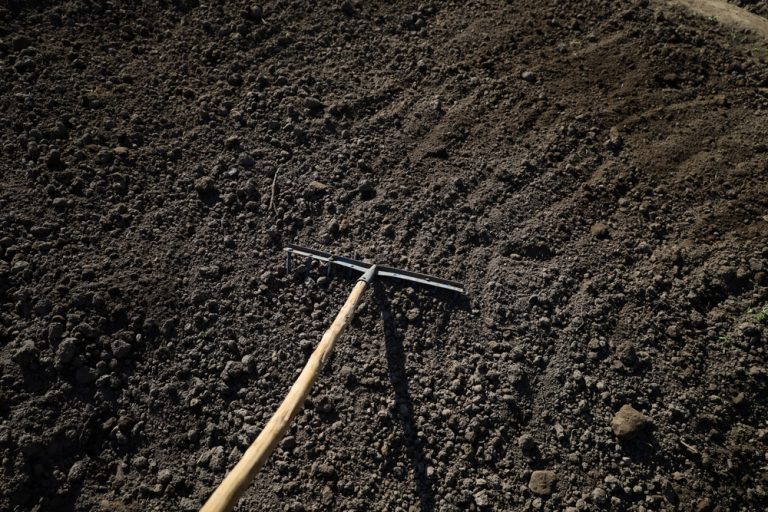
Spring feels like a fresh start—until you step into your yard and realize winter left behind a soggy, compacted, slightly chaotic mess. The thaw doesn’t just wake up your plants; it also exposes hidden problems that can quietly sabotage your garden’s growth. You don’t need to spend a dime to fix most of them. In…
Spring Cleaning Your Soil: The $0 Way to Wake Up Your Garden
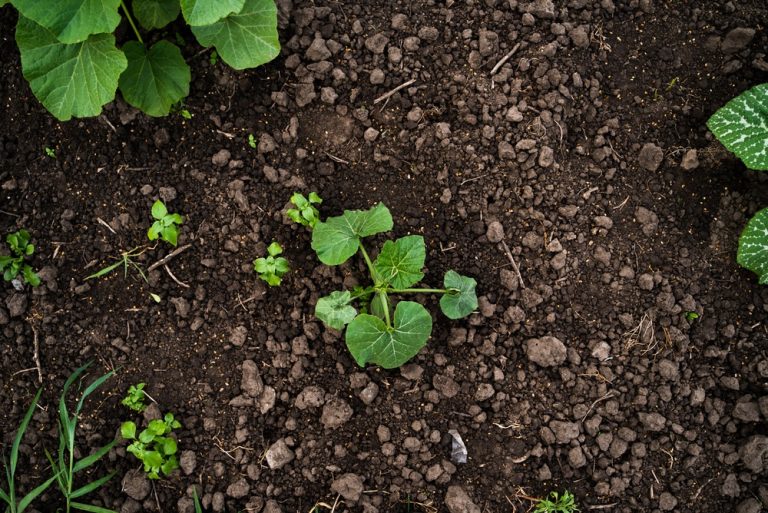
If your garden struggled last year, the problem might not be your plants—it might be your soil quietly waving a white flag. The good news? You don’t need expensive fertilizers or fancy tools to bring it back to life. In fact, some of the most effective soil “spring cleaning” tricks cost absolutely nothing. With a…
Why These 3 Invasive Plants Could Hurt Your Home Appraisal This Spring
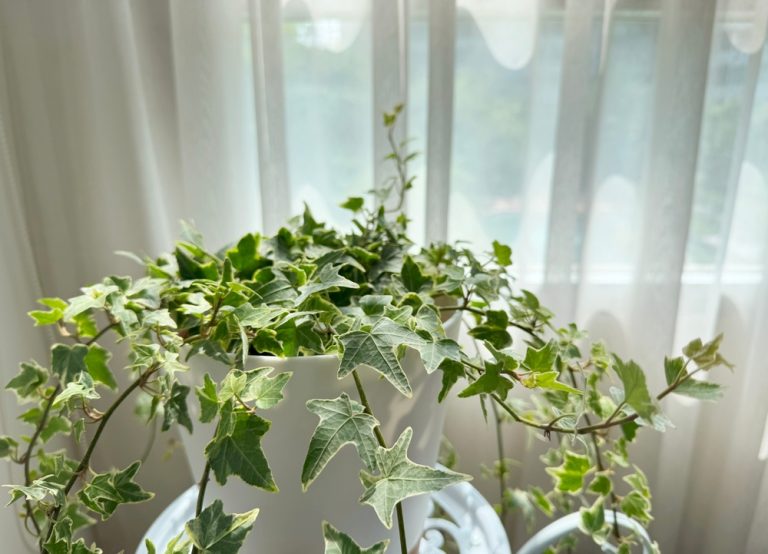
Spring doesn’t play nice with neglect. It shows up loud, bright, and brutally honest, putting every inch of a property under a microscope that buyers, inspectors, and appraisers can’t ignore. A yard that looked “fine” in winter suddenly bursts into a full-blown reveal, and what grows there can either boost a home’s value or quietly…
The Milk Jug Greenhouse: The Easiest Way to Protect Your Seedlings for Free

Cold air doesn’t negotiate with fragile seedlings. One sharp drop in temperature can wipe out days or weeks of careful planting, leaving behind nothing but soggy soil and disappointment. That reality hits hard, especially when early enthusiasm pushes planting schedules ahead of the weather. But here’s the twist: protection doesn’t require fancy equipment, expensive kits,…
5 Reasons to Visit the Dollar Store Before the Garden Center This Month

A trip to the garden center may feel like the official kickoff to planting season, but skipping one quick stop beforehand could mean missing out on serious savings and clever tools. The real secret weapon this month sits in a place most people overlook, tucked between cleaning supplies and party decorations. That humble dollar store…
Why Planting Too Early Can Set Back Your Entire Garden
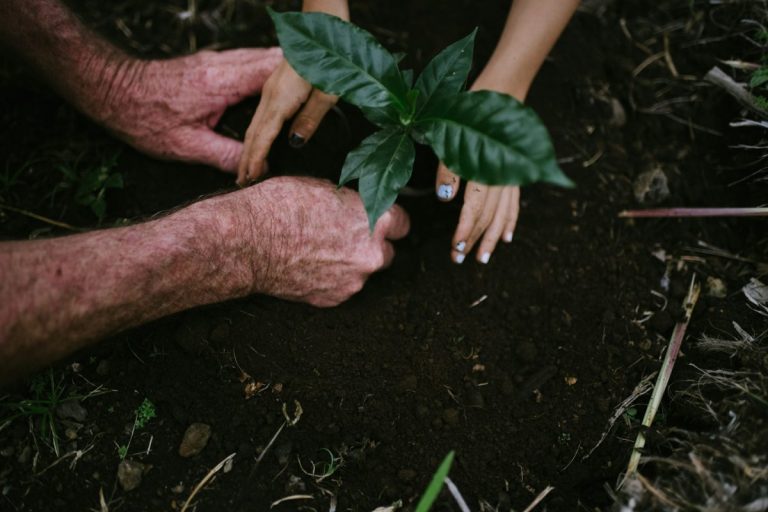
A garden doesn’t fail loudly. It stalls, struggles, and quietly refuses to thrive while everything looks “almost right.” That frustrating middle ground often starts with one simple decision: planting too early. The urge to get seeds in the ground the second winter loosens its grip feels powerful, especially when the sun sticks around longer and…
What Curling Leaves Often Signal in Spring
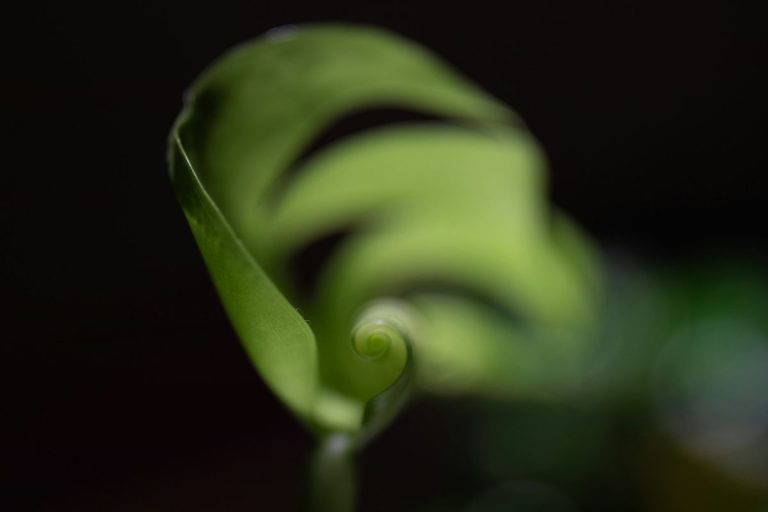
Spring arrives with a burst of life, but it also comes with a puzzle: those curling leaves on plants that make them look like they’re auditioning for a sculpture contest. While the shapes can seem whimsical, they carry important clues about what’s happening in soil, sunlight, and water. Ignoring them might lead to subtle stress…
March Lawn Care Mistakes That Cost Money

March signals a fresh start for lawns, but rushing into spring chores without a plan can quickly turn green dreams into money-draining disasters. The ground may thaw, and sunlight returns, but that doesn’t mean every lawn needs aggressive treatment. Mistakes in timing, technique, or product selection can leave grass patchy, soil stressed, and wallets lighter…
March Garden Pests That Hide Underground
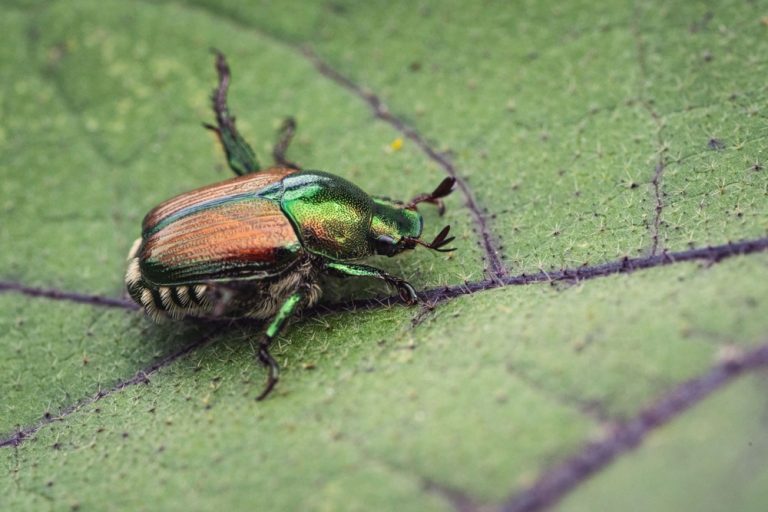
Spring sunlight sparks excitement above ground, but the real action begins under the soil. While gardeners celebrate the return of green shoots and fresh planting plans, an entire underground world starts stirring. Tiny creatures chew roots, tunnel through soil, and feast on tender seedlings before those plants even stretch toward daylight. March marks the moment…