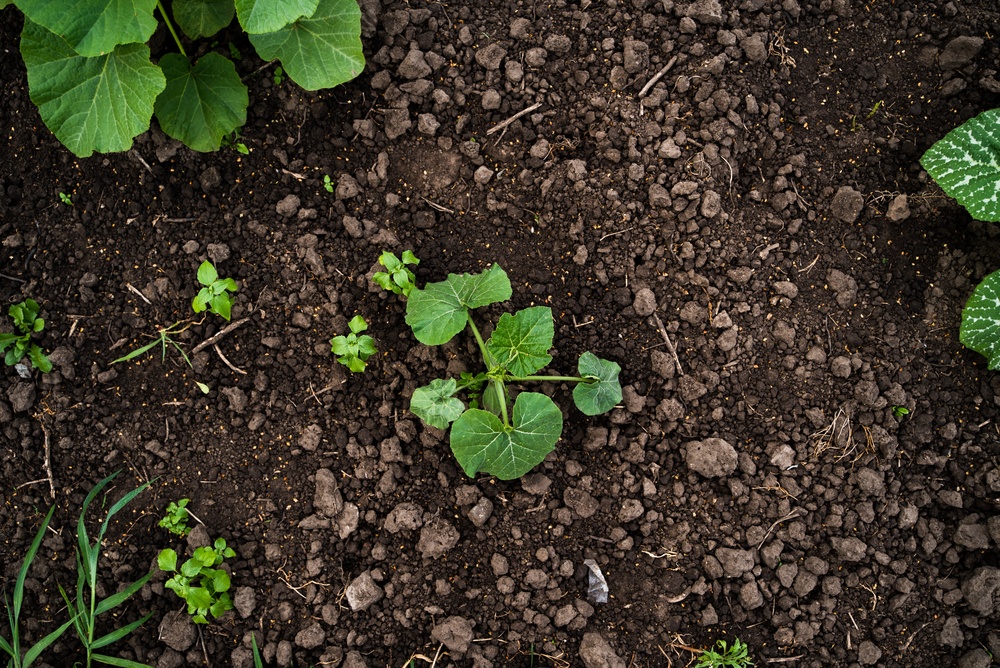
If your garden struggled last year, the problem might not be your plants—it might be your soil quietly waving a white flag. The good news? You don’t need expensive fertilizers or fancy tools to bring it back to life. In fact, some of the most effective soil “spring cleaning” tricks cost absolutely nothing.
With a little time, observation, and a few smart habits, you can transform tired dirt into a thriving foundation for everything you grow.
Start with a Soil Check-Up (No Lab Required)
Before you do anything, take a closer look at what you’re working with right in your backyard. Grab a handful of soil and squeeze it—if it crumbles easily, you’re in decent shape, but if it’s rock-hard or sticky like clay, it needs help. Pay attention to color too, because dark soil usually means more organic matter and better fertility.
Notice how water behaves after you irrigate or after a rain, since puddling or instant runoff both signal underlying issues. This simple, hands-on check gives you a realistic starting point without paying for a professional test.
Rake, Loosen, and Let It Breathe
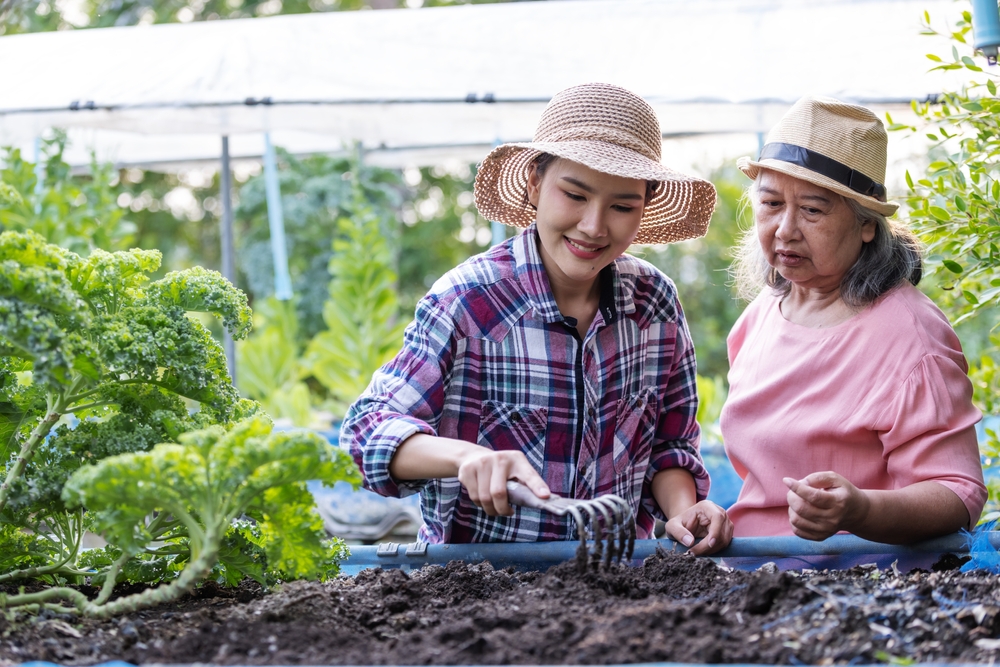
Winter tends to compact soil, especially if it’s been walked on or exposed to heavy rain. Grab a rake, shovel, or even a sturdy stick and gently loosen the top few inches to improve airflow. This step helps roots grow more easily and allows beneficial microbes to wake up and get to work. Don’t go overboard with deep digging, because that can disrupt natural soil layers and organisms that are already doing their job. Think of it as fluffing a pillow rather than flipping the whole mattress.
Use What Nature Already Gave You
One of the best free soil boosters is probably sitting in your yard right now: leaves, grass clippings, and plant debris. Instead of tossing them out, layer them on top of your soil to break down naturally and feed it over time. This creates a slow-release system of nutrients that improves soil structure and moisture retention. If you’ve ever noticed how forest floors are rich and soft, this is exactly why—nature recycles everything. Just make sure any plant material you use is disease-free to avoid spreading problems.
Water Smarter, Not More
Spring cleaning your soil isn’t just about adding things—it’s also about fixing habits that may be hurting it. Overwatering can drown beneficial organisms and compact the soil, while underwatering can leave it dry and lifeless. Aim for deep, less frequent watering to encourage roots to grow downward and strengthen your plants. Early morning watering is ideal because it reduces evaporation and gives soil time to absorb moisture properly. This simple shift can dramatically improve how your soil performs without costing a dime.
Rotate and Rest When Possible
If you plant the same crops in the same spots every year, your soil can become depleted and unbalanced. Rotating crops—even in a small garden—helps prevent nutrient drain and reduces the risk of pests building up in one area. If you have space, consider letting a section rest for a season or planting something simple like beans that naturally enrich the soil. This gives your garden a chance to recover without synthetic fertilizers. Over time, these small changes create a healthier, more resilient growing environment.
Consistency Beats Cost
The biggest misconception about gardening is that better results require more money, when in reality they require more attention and consistency. Checking your soil regularly, adding organic material, and adjusting your watering habits can outperform expensive products if done right. Many experienced gardeners swear by these zero-cost methods because they build long-term soil health instead of quick fixes. Think of your soil like a living system that responds to care, not just inputs. When you treat it well season after season, it rewards you with stronger plants and bigger harvests.
What’s one free trick you’ve tried that made a noticeable difference in your garden soil? Share your experience in the comments.
You May Also Like…
Garden Experts Warn: These 7 Plants Could Be Destroying Your Soil Without You Knowing
Tips for Growing Strong Roots in Tight, Compacted Soil
How to Make Compost Tea to Improve Soil Health
How to Test Soil Drainage Before Planting

Brandon Marcus is a staff writer for FrugalGardening.com at District Media, Inc., where he delivers practical gardening advice with a relatable, no-nonsense style. An avid amateur gardener, he holds a BA degree and with over ten years of professional writing experience, he is also an award-winning published author whose first book, Questions For Deep Thinkers, was released by Adams Media. His work has appeared in major publications including Fandom.com, CHUD.com, TheColdWire.com, and Fansided.com.
Leave a Reply