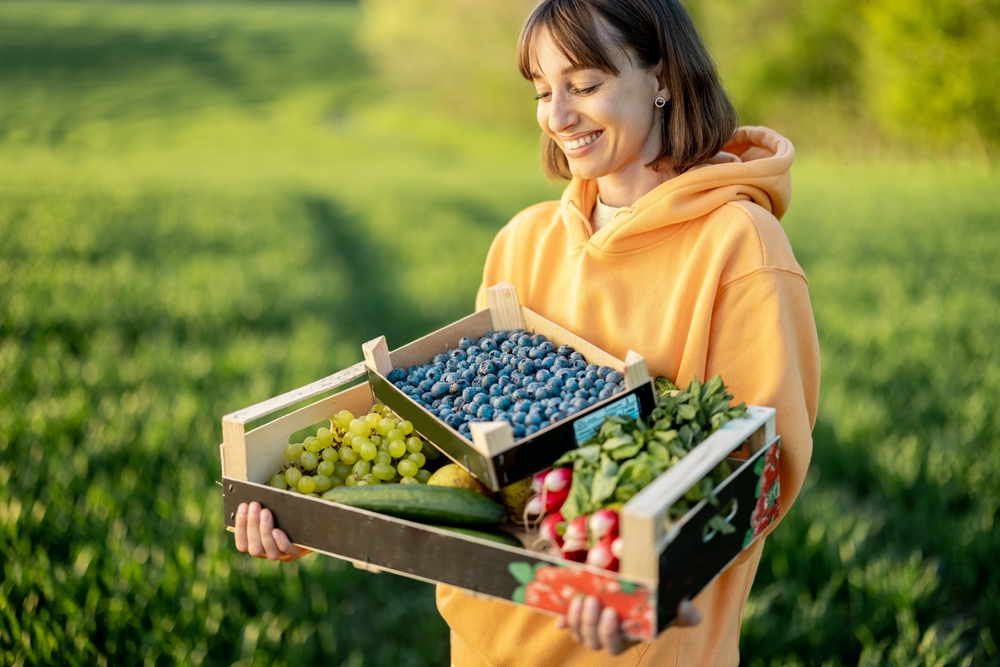
Spring has a funny way of making everything feel possible—including stretching a couple of dollars into a surprising amount of food. If you’ve ever walked past a rack of seed packets and thought, “That can’t possibly be worth it,” you’re about to rethink that assumption. With the right approach, a single $2 seed packet can turn into pounds of fresh, homegrown food—sometimes as much as 10 pounds or more.
This isn’t some gardening myth or influencer exaggeration; it’s a practical, repeatable strategy that backyard growers and budget-conscious families have been using for decades.
Why Seed Packets Are the Ultimate Budget Food Hack
A $2 seed packet often contains dozens—sometimes hundreds—of seeds, which instantly multiplies your potential return on investment. Crops like lettuce, radishes, green beans, and zucchini are especially generous, producing multiple harvests or high yields per plant. Even if only a portion of the seeds germinate, you’re still likely to end up with far more food than you would get from buying the same amount at the store.
For example, one zucchini plant alone can produce 6–10 pounds of vegetables over a season, making it a standout for this strategy. The key is choosing crops known for high productivity and pairing them with basic care to maximize output.
Picking the Right Crops for Maximum Yield
Not all seeds are created equal when it comes to the “pound trick,” so selection matters more than you might think. Fast-growing, high-yield vegetables like spinach, bush beans, cucumbers, and summer squash are ideal because they produce a lot in a relatively short time. Leafy greens are especially valuable because you can harvest them multiple times, essentially turning one planting into a continuous food source. Root vegetables like carrots can also work well, especially when planted densely to maximize space. If you’re working with limited room, prioritize crops that grow vertically or produce repeatedly to squeeze the most food out of every square foot.
Simple Growing Techniques That Multiply Your Harvest
You don’t need fancy equipment or a huge backyard to make this trick work—just a few smart growing habits. Succession planting, where you sow seeds every couple of weeks, keeps fresh crops coming instead of one big harvest all at once. Proper spacing ensures plants have enough room to thrive without competing for nutrients, which directly affects yield.
Consistent watering and basic soil enrichment—like adding compost—can dramatically boost how much each plant produces. Even something as simple as harvesting regularly encourages plants like beans and cucumbers to keep producing more food.
Avoiding Common Mistakes That Shrink Your Yield
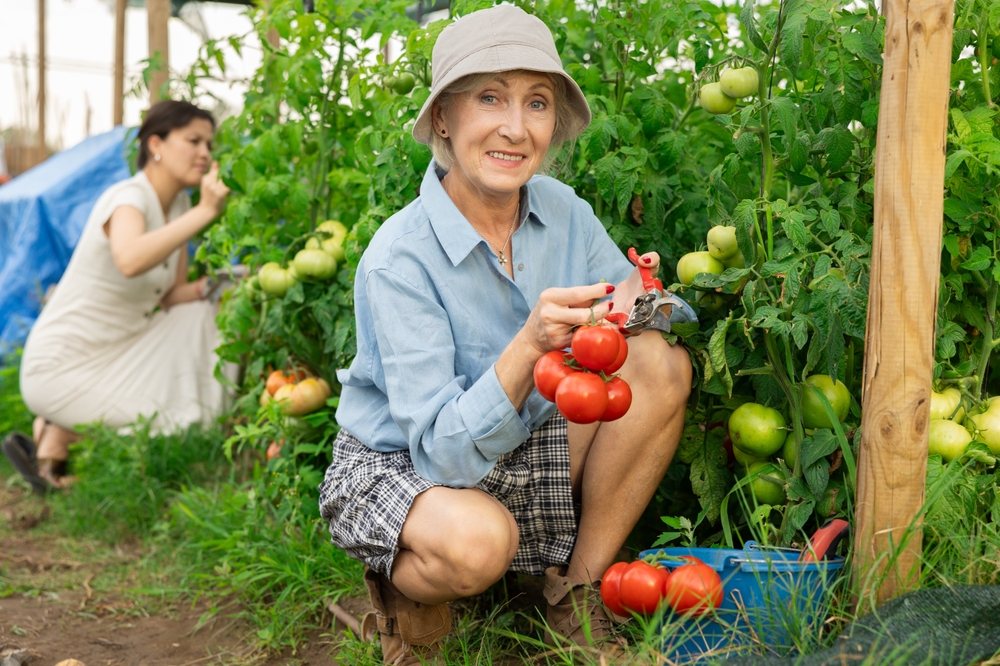
It’s surprisingly easy to turn a high-potential seed packet into a disappointing harvest if you overlook a few basics. Overcrowding is one of the biggest mistakes, as it leads to weak plants and smaller yields despite using more seeds. Ignoring sunlight requirements can also sabotage your efforts, since most vegetables need at least 6–8 hours of direct sun to thrive.
Another common issue is inconsistent watering, which can stress plants and reduce production significantly. Taking a few minutes to read the instructions on the seed packet—and actually following them—can make the difference between a modest harvest and hitting that 10-pound goal.
What 10 Pounds of Homegrown Food Looks Like
Ten pounds of homegrown food might not sound like much until you see it piled on your kitchen counter. That could mean weeks of fresh salads, multiple family meals, or enough extra produce to share with neighbors. Financially, the savings add up quickly, especially with grocery prices continuing to fluctuate.
Beyond the dollars, there’s also the quality factor—homegrown vegetables are often fresher, tastier, and free from unnecessary chemicals. Once you experience turning a simple seed packet into a meaningful food supply, it’s hard not to see gardening as one of the best budget hacks out there.
The Real Secret Behind the Spring “Pound” Trick
At its core, the spring “pound trick” isn’t about luck—it’s about leveraging small inputs for outsized returns. A single seed packet represents potential, but it’s your choices—what you plant, how you care for it, and when you harvest—that unlock that value. This approach works whether you have a backyard, a balcony, or even just a few containers by a sunny window. It’s also a reminder that saving money doesn’t always mean cutting back; sometimes it means getting more out of what you already spend. Once you master this simple strategy, you’ll start seeing every seed packet as an opportunity instead of an expense.
Have you ever tried growing your own food from seed, or are you thinking about starting this spring? What would you plant first to test out the “pound trick”?
You May Also Like…
Why You Should Never Buy Pre-Grown Starts (And the $2 Alternative)
The Stealth Garden: How to Grow Food in an Apartment Without Anyone Noticing
Vertical Veggies: Growing a Massive Harvest in Less Than 2 Square Feet
The Orchard Hack: How to Grow Fruit Trees from Grocery Store Scraps
5 Crops That Grow Themselves (Even If You Have a Black Thumb)

Brandon Marcus is a staff writer for FrugalGardening.com at District Media, Inc., where he delivers practical gardening advice with a relatable, no-nonsense style. An avid amateur gardener, he holds a BA degree and with over ten years of professional writing experience, he is also an award-winning published author whose first book, Questions For Deep Thinkers, was released by Adams Media. His work has appeared in major publications including Fandom.com, CHUD.com, TheColdWire.com, and Fansided.com.
Leave a Reply