
March signals a fresh start for lawns, but rushing into spring chores without a plan can quickly turn green dreams into money-draining disasters. The ground may thaw, and sunlight returns, but that doesn’t mean every lawn needs aggressive treatment. Mistakes in timing, technique, or product selection can leave grass patchy, soil stressed, and wallets lighter than expected. Gardeners often underestimate how critical March maintenance is, yet it sets the stage for an entire season of healthy growth or frustrating setbacks. A little patience and strategy now prevents costly corrections later.
Spring weather is unpredictable, and hasty decisions can backfire. Fertilizing too early, cutting too low, or neglecting soil health may look harmless at first, but these errors compound over weeks. With the right knowledge, March becomes an opportunity to strengthen roots, control weeds, and give the lawn a vibrant, lasting start.
1. Fertilizer Frenzy: Why Early Feeding Can Backfire
Applying fertilizer as soon as the first hint of spring appears feels productive, but it often causes more harm than good. Grass roots remain shallow in March, and early nutrients can burn tender shoots rather than promote growth. Excess nitrogen at this stage encourages leaf growth while neglecting root development, leaving lawns weak during the heat of summer. Over-fertilizing also increases the risk of runoff, wasting money and harming the environment. Understanding soil temperature and using a slow-release formula helps time fertilization correctly for maximum benefit.
Applying fertilizer without testing soil adds another layer of risk. Many lawns already contain residual nutrients from the previous year, and adding more blindly can create imbalances. Simple soil tests measure pH levels and nutrient content, guiding proper fertilizer type and quantity. Matching products to soil needs ensures money spent produces healthy results rather than promoting unnecessary growth. A well-timed, measured approach keeps lawns strong, reduces future input costs, and creates a more resilient turf that resists weeds and disease.
2. Cutting Too Soon: The Dangers of Early Mowing
Mowing before grass awakens fully may seem harmless, but low cuts in March can weaken the lawn’s structure. Grass blades protect roots from temperature fluctuations and moisture loss, and cutting too short exposes them to stress. Lawns mowed too early may struggle to recover, leaving brown patches that require reseeding or extra care. Waiting until grass reaches an appropriate height preserves energy for root growth and reduces vulnerability to spring frost or unpredictable weather swings.
Proper mower settings matter more than timing alone. Blades should be sharp to prevent tearing, and cutting no more than one-third of blade height at a time protects plant health. Regular mowing at the right height encourages thicker turf, naturally crowding out weeds and reducing the need for chemical treatments. Early over-mowing can trigger a cycle of stress and expense, forcing homeowners to spend on seed, fertilizer, or extra labor. Patience now pays off later with lush, uniform green that thrives all season.
3. Ignoring Soil Health: The Hidden Cost of Neglect
Soil forms the foundation for all successful lawns, yet many gardeners overlook it while focusing on visible growth. Compacted, nutrient-poor, or poorly drained soil prevents roots from absorbing water and nutrients, leaving grass susceptible to disease and requiring more inputs. March offers a perfect window to test soil structure, aerate if needed, and add amendments that balance pH and nutrient content. Small investments in soil health reduce future spending on fertilizers and pest control by creating conditions where plants naturally flourish.
Aeration, core or spike, helps loosen compacted soil, allowing water and nutrients to penetrate deeper roots. Adding organic matter like compost improves structure and feeds beneficial microorganisms, promoting stronger grass. These practices also enhance drought resistance, reducing water costs throughout the year. Ignoring soil leads to patchy growth and repeated spending on quick fixes that fail to address root causes. Focusing on the foundation makes the lawn more resilient and less expensive to maintain in the long term.
4. Weed Warfare: Timing Matters More Than Force
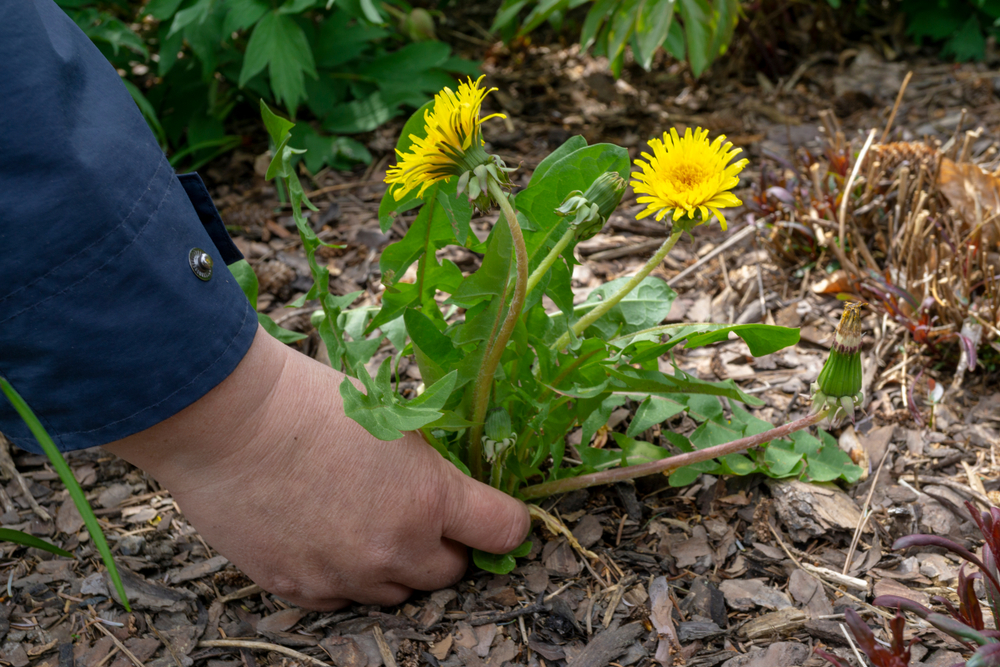
Pulling weeds in March seems proactive, but timing and method determine whether effort pays off. Many broadleaf weeds begin emerging early, but harsh chemical treatments applied too soon or without proper soil moisture often fail, wasting money and damaging surrounding grass. Pre-emergent herbicides work best before seeds sprout, but using them too late renders the product ineffective. Understanding the weed life cycle is crucial to avoid repeated chemical applications and protect the lawn’s overall health.
Manual weed removal can complement chemical control, but it requires care to avoid disrupting healthy grass. Hand-pulling small infestations ensures precision, while avoiding unnecessary costs from repeated sprays. Mulching bare patches also prevents weed growth while improving soil health. Proper timing and method turn March into a strategic month for weed prevention, reducing labor and chemical costs later. Being proactive with understanding growth cycles saves money and keeps lawns lush without over-relying on chemicals.
5. Overwatering and Underestimating Rainfall
Spring showers can trick homeowners into thinking supplemental watering is always necessary. Overwatering softens soil, encourages shallow roots, and increases disease risk, while underestimating rainfall can leave some areas stressed. Balancing natural precipitation with careful irrigation is essential in March, especially when temperatures fluctuate and frost remains a concern. Monitoring soil moisture with a simple probe prevents both extremes, protecting plants while avoiding wasted water and unnecessary utility costs.
Establishing a watering routine tailored to weather patterns strengthens root systems. Grass benefits from deeper, less frequent watering rather than shallow daily sprinkling. Early-season mismanagement can stunt growth and trigger future expenses to correct brown patches or fungal outbreaks. Observing natural conditions and responding thoughtfully prevents both waste and damage, giving lawns a healthy start while minimizing effort and cost.
6. Mulch Mishaps: Too Much or Too Little
Applying mulch in March seems like a straightforward chore, but misjudging quantity can harm plants rather than help them. Excess mulch retains too much moisture, promoting rot and fungal growth, while insufficient coverage leaves soil exposed to temperature swings and moisture loss. Properly balanced mulch moderates soil temperature, suppresses early weeds, and adds nutrients as it breaks down. Investing in the right amount of quality material saves money by reducing plant stress and future labor.
Placement matters as much as volume. Keep mulch a few inches away from stems and trunks to prevent moisture buildup that causes decay. Choosing organic mulch improves soil fertility over time, creating long-term benefits. Layering too thickly or unevenly creates pockets of poor drainage, which can stress plants and invite pests. Thoughtful application supports lawn and garden health, minimizing costly corrections and creating an attractive, vibrant landscape for the entire growing season.
7. Timing Pruning for Maximum Impact
Pruning too early or too aggressively in March can shock trees and shrubs, cutting off potential growth or exposing plants to disease. Understanding species-specific schedules ensures branches are trimmed without compromising buds or early blooms. Delaying pruning for sensitive plants until later in spring prevents unnecessary stress, while hardier species can handle earlier cuts. Knowledge of each plant’s growth cycle saves money by reducing replacements or recovery treatments later.
Using proper tools and clean techniques prevents accidental damage that leads to disease or pest problems. Removing dead or damaged branches supports plant health, while careful shaping encourages dense, attractive growth. Over-pruning reduces energy reserves, making plants more susceptible to environmental stress and increasing maintenance costs. Strategic pruning balances aesthetics, plant health, and long-term financial efficiency, transforming March into a season of proactive care rather than reactive repair.
Smart March Lawn Care Starts With Planning
Avoiding common March mistakes transforms spring into a season of thriving lawns and smart spending. Fertilizing at the right time, mowing carefully, prioritizing soil health, controlling weeds, watering strategically, mulching thoughtfully, and pruning appropriately all protect both plants and the budget. A clear plan for early-season maintenance saves money by reducing emergency treatments, repeated labor, and unnecessary inputs, giving the lawn the strongest start possible.
The key takeaway is simple: preparation and timing beat guesswork every time. A proactive approach ensures vibrant growth, fewer surprises, and more enjoyment from a healthy, well-maintained lawn. Investing attention in March yields benefits that last the entire growing season and beyond.
Which March lawn care strategies have proven most effective in your experience, or what missteps taught the hardest lessons? Give us your insights, stories, or advice in the comments.
You May Also Like…
Why Mushrooms Suddenly Appear in Lawns
The Fertilizer Myth That’s Killing Lawns Across the South
What Ants in Your Garden May Be Signaling
How to Protect Garden Borders From Pests
How to Reuse Rainwater in Spring

Brandon Marcus is a staff writer for FrugalGardening.com at District Media, Inc., where he delivers practical gardening advice with a relatable, no-nonsense style. An avid amateur gardener, he holds a BA degree and with over ten years of professional writing experience, he is also an award-winning published author whose first book, Questions For Deep Thinkers, was released by Adams Media. His work has appeared in major publications including Fandom.com, CHUD.com, TheColdWire.com, and Fansided.com.
Leave a Reply