Spring doesn’t play nice with neglect. It shows up loud, bright, and brutally honest, putting every inch of a property under a microscope that buyers, inspectors, and appraisers can’t ignore. A yard that looked “fine” in winter suddenly bursts into a full-blown reveal, and what grows there can either boost a home’s value or quietly chip away at it. No one wants to lose thousands of dollars over something rooted in the dirt, but that’s exactly what can happen when invasive plants take over.
The tricky part sits right at eye level and underfoot. Many invasive plants look harmless at first glance, sometimes even attractive, but they spread aggressively, damage structures, and signal poor maintenance to anyone evaluating the property. Appraisers don’t just glance at square footage and finishes; they assess condition, risk, and future costs. A yard overrun with problematic plants can scream “expensive fix” before anyone even steps inside. That makes it worth knowing exactly what to look for and how to handle it before it starts costing real money.
1. Kudzu: The Vine That Refuses to Take a Hint
Kudzu doesn’t creep politely across a yard; it charges in like it owns the place. Originally introduced for erosion control, this vine now ranks among the most aggressive invasive plants in the United States, especially across warmer regions. It can grow up to a foot per day under the right conditions, which sounds almost unbelievable until it starts swallowing fences, trees, and even parts of homes. Appraisers notice that kind of unchecked growth immediately because it signals neglect and potential structural issues. When a vine climbs siding, roofing edges, or utility lines, it doesn’t just look messy; it raises concerns about damage and maintenance costs.
A property tangled in kudzu also raises red flags about long-term control. Removing it requires persistence, repeated cutting, and often chemical treatment, which can feel like an ongoing battle rather than a one-time fix. That ongoing effort translates into money and time, two things buyers and appraisers factor into value. Even if the interior of a home shines, an exterior overwhelmed by kudzu can drag down overall impressions fast. Tackling it early makes all the difference, and that means cutting vines regularly, removing root crowns, and staying consistent until it stops coming back. Ignoring it never works, and hoping it disappears on its own only gives it more ground to cover.
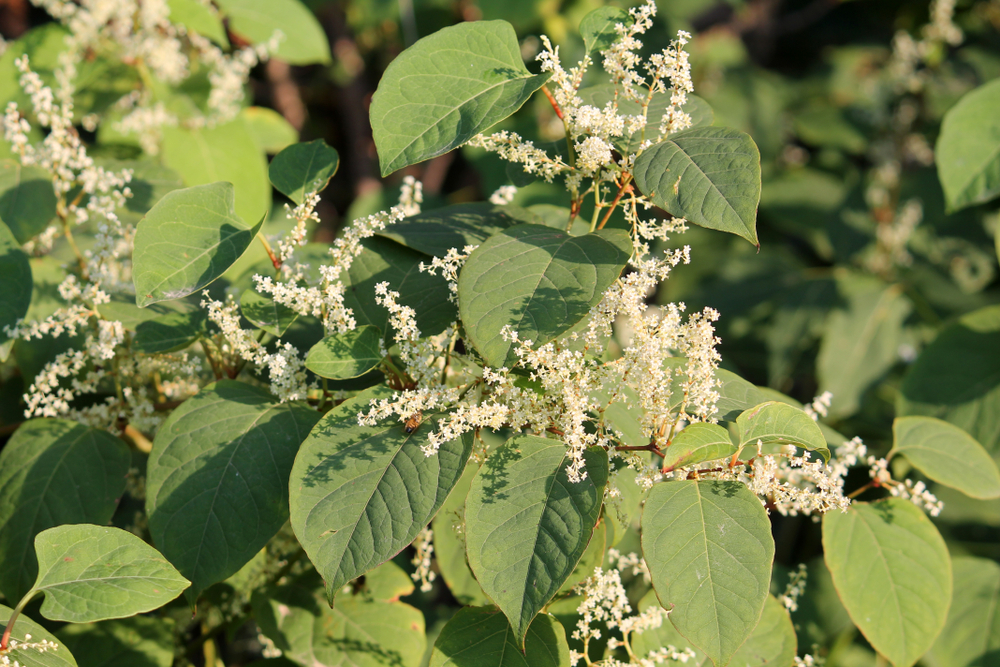
2. Japanese Knotweed: The Foundation Cracker You Didn’t Invite
Japanese knotweed brings a reputation that makes appraisers pause, and not in a good way. This plant grows fast, spreads through underground rhizomes, and can push through cracks in concrete, asphalt, and even foundations. While it doesn’t technically “break” solid structures on its own, it exploits weaknesses and widens them, which creates real concerns about long-term damage. Mortgage lenders and insurers sometimes hesitate when knotweed appears on a property, and that hesitation can ripple directly into appraisal values. A home tied to potential structural risk rarely commands top dollar.
Beyond the structural worries, knotweed creates a paperwork problem. Some regions require disclosure if it exists on a property, and that alone can scare off buyers or lower offers. Its bamboo-like appearance might look tidy from a distance, but anyone familiar with it knows the trouble it brings beneath the surface. Removing it often requires professional intervention, including herbicide treatments over multiple seasons and careful monitoring to prevent regrowth. That kind of effort signals ongoing cost, which appraisers factor into their calculations. Staying ahead of it means identifying it early, digging out small patches before they spread, and never letting it establish deep roots near structures or boundaries.
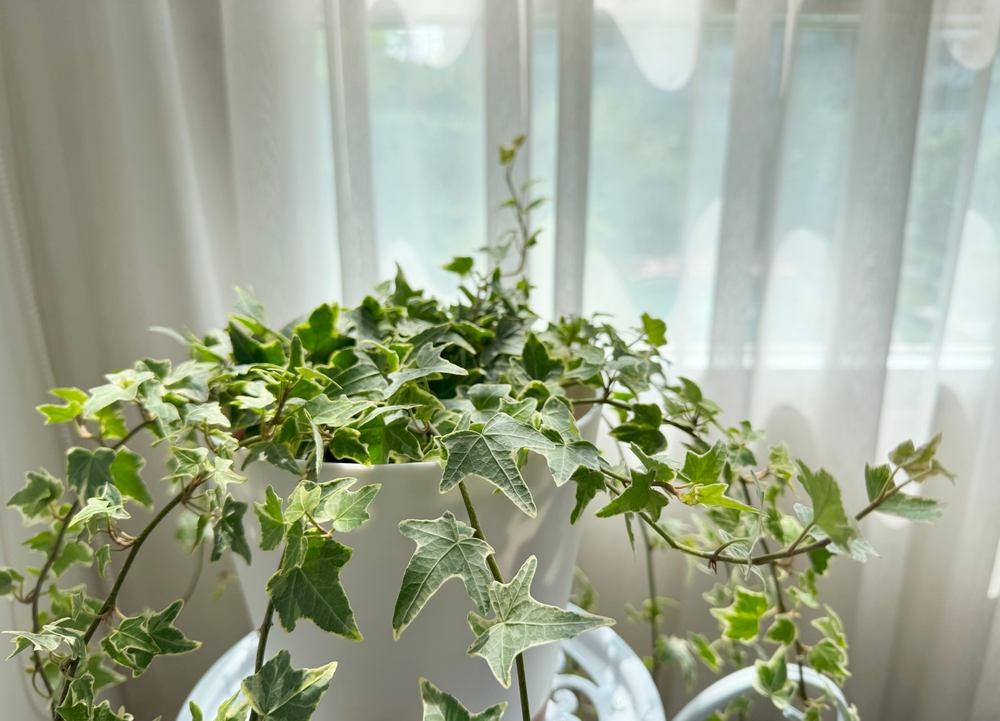
3. English Ivy: The Classic Beauty With a Destructive Edge
English ivy often wins people over at first glance. It drapes walls, climbs trees, and creates that lush, storybook look that feels straight out of a magazine. Underneath that charm, though, it causes real damage that can hit a home’s value harder than expected. Ivy clings tightly to surfaces, and as it grows, it can trap moisture against siding, brick, and wood. That trapped moisture encourages rot, mold, and deterioration, which appraisers absolutely factor into their evaluations. What looks romantic quickly turns into a maintenance headache.
When ivy climbs trees, it adds weight and blocks sunlight, which weakens the tree over time and increases the risk of falling branches or entire tree failure. That kind of hazard doesn’t sit well during a property assessment. Appraisers look for safety concerns, and compromised trees can lower a home’s appeal and perceived value. Removing ivy requires more than a quick pull; it involves cutting vines at the base, allowing upper growth to die off, and carefully removing it without damaging surfaces. Keeping it under control means regular trimming and preventing it from climbing structures or trees in the first place. Letting it run wild may look dramatic, but it can quietly drain value from the property.
Pulling It All Together Before It Pulls Down Your Value
A yard tells a story long before anyone opens the front door, and invasive plants can rewrite that story in all the wrong ways. Kudzu signals neglect and rapid overgrowth, Japanese knotweed raises alarms about structural risk and future costs, and English ivy hides damage behind its polished look. Each one carries a different kind of problem, but they all land in the same place when it comes to home appraisals: reduced value and increased concern. Taking control early doesn’t just improve curb appeal; it protects the financial side of homeownership in a very real way.
Which of these plants has shown up in your yard, and what strategies have worked to keep them under control? Drop your thoughts, tips, or experiences in the comments.
You May Also Like…
How to Identify Invasive Weeds Early
This “Pollinator-Friendly” Plant Is Now on the Invasive Species Watchlist
Florida Gardeners Warned: This Invasive Beetle Is Destroying Fruit Trees
Homeowners in These 5 States Are Being Fined for Growing These “Invasive” Flowers

Brandon Marcus is a staff writer for FrugalGardening.com at District Media, Inc., where he delivers practical gardening advice with a relatable, no-nonsense style. An avid amateur gardener, he holds a BA degree and with over ten years of professional writing experience, he is also an award-winning published author whose first book, Questions For Deep Thinkers, was released by Adams Media. His work has appeared in major publications including Fandom.com, CHUD.com, TheColdWire.com, and Fansided.com.
Leave a Reply