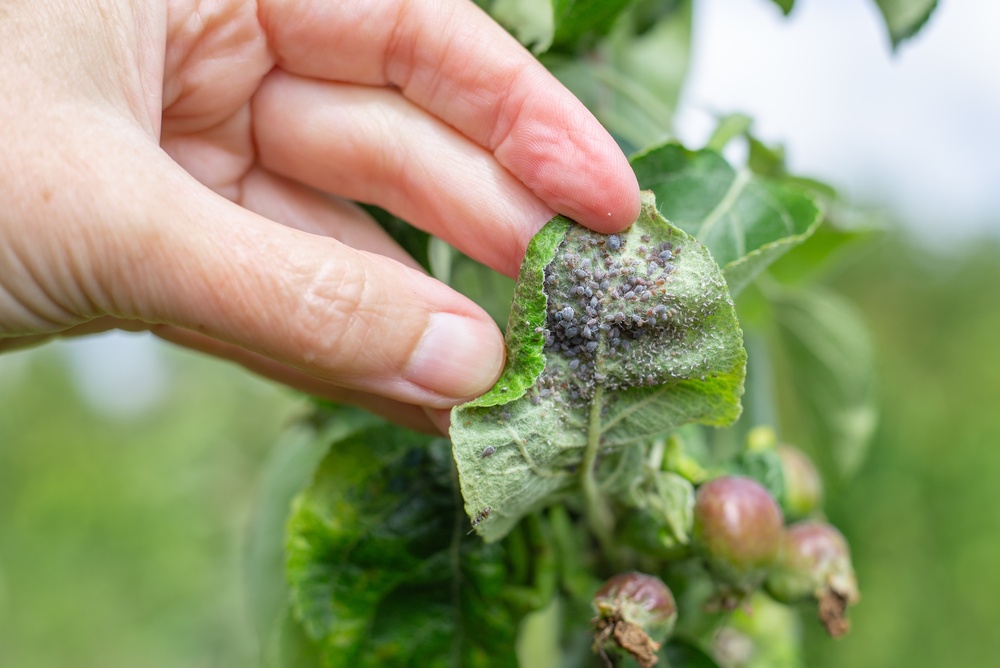
Hot July weather can make plants look miserable, but scorching temperatures do not always deserve the blame. Many gardeners grab the watering can when they see curled leaves, yellow patches, or drooping stems, only to discover tiny pests have been quietly hosting a garden buffet.
Knowing the difference between heat stress and insect damage helps gardeners protect plants faster and avoid wasting time on the wrong solution. A tomato plant with crispy edges might need shade during the afternoon, or it might need a closer inspection because hungry bugs have already moved in.
The Hidden Clues That Reveal Pest Trouble
July creates the perfect cover for garden pests because heat changes plant behavior and insect activity at the same time. A plant under heat stress usually shows broad symptoms, such as wilting during the hottest part of the day and recovering after evening temperatures drop. Pest damage often leaves behind smaller clues, including holes, sticky residue, distorted growth, or unusual spots on individual leaves. A quick walk through the garden with a close look at stems and leaf undersides can reveal problems that a glance from the patio misses.
The difference often appears in the details, and gardeners who inspect plants regularly catch trouble much earlier. Aphids may cluster around new growth while leaving behind a sticky substance called honeydew that attracts ants. Spider mites can create tiny yellow speckles across leaves and often hide on the undersides where they avoid attention. Heat can make plants tired, but pests leave fingerprints.
July Garden Pests That Wear a Heat Stress Disguise
Several summer pests create symptoms that look surprisingly similar to heat damage. Spider mites rank among the biggest troublemakers during hot, dry weather because they multiply quickly and feed on plant juices. Their feeding can leave leaves looking pale, dusty, or scorched around the edges, which makes many gardeners blame the sun first. A simple white paper test can help reveal them by shaking a leaf over the paper and looking for tiny moving specks.
Caterpillars create another mystery because their damage can appear overnight and make healthy plants look battered. Tomato hornworms, cabbage worms, and other leaf-chewing insects leave obvious bite marks that heat cannot create. A gardener who finds ragged leaves, missing chunks, or small droppings near damaged areas should investigate for hungry visitors instead of increasing irrigation. Plants cannot drink their way out of a caterpillar problem.
The Simple Inspection Routine That Saves Summer Crops
A few minutes of careful checking each week can prevent a small pest issue from becoming a major garden headache. Start by looking under leaves, along stems, and around new growth because many insects avoid open spaces. Check for webbing, tiny eggs, sticky residue, unusual discoloration, and holes with irregular edges. A healthy watering routine cannot fix damage from insects that keep feeding day after day.
Gardeners can also compare damaged areas across several plants to find patterns. If every plant in one sunny section droops during afternoon heat but recovers later, temperature stress likely plays a role. If only certain plants show curling leaves or strange marks, pests deserve closer attention. This detective work turns a frustrating garden mystery into a solvable problem.
The July Garden Lesson: Look Closer Before Blaming Heat
Summer gardens often face a mix of challenges, and heat rarely works alone. A tomato plant may struggle with high temperatures while also dealing with aphids or spider mites that weaken its leaves. Rushing to add more water can create extra problems, especially when soil stays overly wet and roots lose access to oxygen. Careful observation remains one of the most valuable tools in any gardener’s toolbox.
The smartest July gardeners do not panic when plants look stressed. They slow down, inspect the evidence, and match the solution to the actual problem. Sometimes a little shade cloth, mulch, or better watering timing helps, while other situations call for removing pests or using targeted treatments. The best garden fixes usually begin with a closer look, not a bigger spray bottle.
What garden pests have surprised you by causing damage that looked like heat stress? Share your experience and tips in the comments!
You May Also Like…
9 Backyard Habits That Can Accidentally Invite Pests
Which Plant Pairings Naturally Reduce Pests and Improve Yields
7 Backyard Plants That May Be Attracting More Bugs Than You Realize
7 Natural Repellents That Help Keep Insects Away
8 Insects That Actually Help in Fall Gardens

Brandon Marcus is a staff writer for FrugalGardening.com at District Media, Inc., where he delivers practical gardening advice with a relatable, no-nonsense style. An avid amateur gardener, he holds a BA degree and with over ten years of professional writing experience, he is also an award-winning published author whose first book, Questions For Deep Thinkers, was released by Adams Media. His work has appeared in major publications including Fandom.com, CHUD.com, TheColdWire.com, and Fansided.com.
Leave a Reply