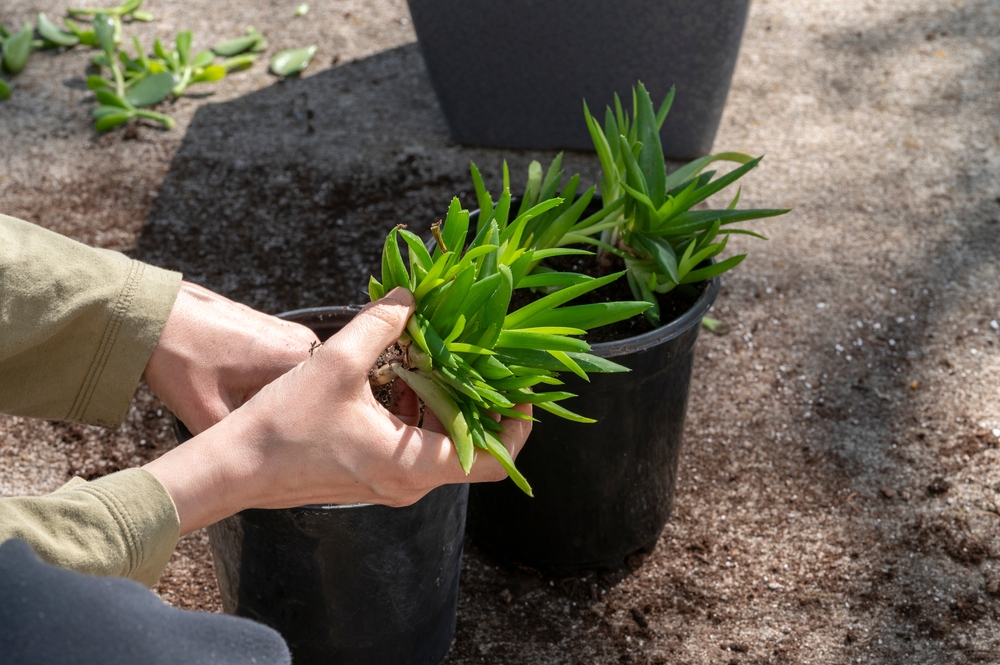
Houseplants love a seasonal adventure, and summer offers the perfect excuse to send them outside for a change of scenery. Warm air, brighter light, and natural humidity can give indoor plants a fresh burst of energy, but only when the transition happens with care. A rushed move outdoors can stress foliage, while a sloppy return inside can invite pests and shock.
The goal is simple: treat houseplants like guests on a summer vacation, not hitchhikers dumped in a new climate. With a bit of timing and attention, these “in-and-out” plants enjoy the best of both worlds without drama.
Timing the Great Houseplant Move
Spring sets the stage for the big outdoor migration, but timing matters more than enthusiasm. Daytime temperatures need to stay consistently warm, and nights must avoid sudden chills that can stun tender leaves. Most houseplants respond best when the risk of frost disappears completely and the air feels steady rather than unpredictable. Rushing this step often leads to yellowing leaves or stalled growth, which nobody wants after winter patience. A slow, steady weather shift signals the right moment to begin the transition.
Wind also plays a role in timing, even if it often gets overlooked. Strong gusts can tear delicate foliage or dry out pots faster than expected, especially on balconies or patios. A sheltered outdoor spot gives plants a chance to adjust without fighting the elements right away. Think of it like easing into a pool instead of diving straight in. Once conditions feel stable and mild, houseplants can finally step outside with confidence.
Choosing the Right “In-and-Out” Plants
Not every houseplant enjoys outdoor living, so selection makes a big difference in summer success. Tropical varieties like pothos, monstera, and philodendron usually adapt well because they already prefer warm, humid conditions. Succulents and cacti also enjoy outdoor time, but they demand strong drainage and careful sun exposure. On the other hand, sensitive ferns and certain calatheas may react poorly to sudden changes in light or wind. Matching plant personality to outdoor conditions keeps frustration low and foliage happy.
Container setup also shapes which plants handle the transition well. Lightweight pots dry out quickly, which suits drought-tolerant plants but stresses moisture lovers. Heavier ceramic or glazed containers help stabilize moisture levels for fussier species. Drainage holes matter more outdoors than indoors because rain can sneak in and oversaturate soil. Choosing the right plant and pot combination sets the tone for a smoother seasonal swap.
Acclimation: Preventing Shock
Houseplants dislike sudden lifestyle changes, so gradual acclimation protects them from stress. Start by placing them outside in shaded areas for a few hours each day before extending their time outdoors. Direct sun can burn leaves that spent months behind windows, so filtered light works best at first. Over one to two weeks, slowly increase exposure until plants adjust to brighter conditions. This gentle approach prevents scorched edges and droopy stems.
Temperature swings also require attention during this phase. Even summer nights can dip cooler than indoor environments, which can confuse sensitive plants. Bringing them back inside overnight during the first few days helps bridge the gap. Watering habits also shift during acclimation because outdoor air dries soil faster than indoor heating ever does. Checking soil moisture regularly keeps roots balanced and avoids sudden stress.
Outdoor Care: Sun, Water, and Weather
Once houseplants settle outside, daily conditions change how they grow and drink. Sunlight intensity increases quickly outdoors, so leaf color and texture offer clues about comfort levels. Pale or curled leaves often signal too much direct sun, while overly stretched growth suggests too little light. Adjusting placement a few feet in either direction often solves the problem without drama. Observation becomes the most valuable gardening tool during summer months.
Watering schedules also shift dramatically outdoors. Wind and heat pull moisture from soil faster, especially in small containers. Some plants may need water more frequently, while others prefer to dry slightly between drinks. Rain adds another layer of unpredictability, so checking pots after storms prevents soggy roots. Outdoor life brings variety, and plant care must flex with it.
Bringing Them Back Inside
Fall approaches faster than expected, and houseplants need a smooth return indoors before temperatures drop. Moving them back too late exposes them to cold stress, especially during chilly nights that sneak up early in the season. Before bringing anything inside, inspect leaves, stems, and soil closely for pests like aphids or spider mites. A quick rinse or gentle wipe-down reduces the risk of indoor infestations. Clean plants adjust better and keep indoor spaces healthier.
Once inside, houseplants often pause growth for a short period while they readjust to lower light levels. Placement near bright windows helps ease this transition without shocking foliage. Avoid placing them directly next to heating vents because dry air can cause leaf edges to crisp. A consistent routine brings them back into indoor rhythm without fuss. The seasonal cycle closes smoothly when care stays steady and deliberate.
A Seasonal Rhythm Worth Repeating
Houseplants respond well to thoughtful seasonal movement when timing, light, and care stay consistent from start to finish. Outdoor summers offer strength-building conditions, while indoor winters provide stability and protection from harsh weather. This back-and-forth rhythm creates healthier, more resilient plants over time when handled with patience. Mistakes happen, but small adjustments quickly bring plants back on track. The process turns gardening into a seasonal partnership rather than a static routine.
What houseplant gets sent outside first in your home when summer arrives, and which one always makes the return trip feel a little dramatic?
You May Also Like…
7 Sun-Loving Houseplants That Actually Refuse To Die In Direct Light
8 Easy Plants That Can Survive Record Heat
6 Options That Transition Well Between Indoor and Outdoor Growth
Can You Actually Grow Vegetables Outside in December?

Brandon Marcus is a staff writer for FrugalGardening.com at District Media, Inc., where he delivers practical gardening advice with a relatable, no-nonsense style. An avid amateur gardener, he holds a BA degree and with over ten years of professional writing experience, he is also an award-winning published author whose first book, Questions For Deep Thinkers, was released by Adams Media. His work has appeared in major publications including Fandom.com, CHUD.com, TheColdWire.com, and Fansided.com.
Leave a Reply